
 1961 views
PLUS-Forum Digital Kazakhstan 2024 outlined the main trends in the financial sector of Central Asia
PLUS-Forum Digital Kazakhstan 2024 outlined the main trends in the financial sector of Central Asia
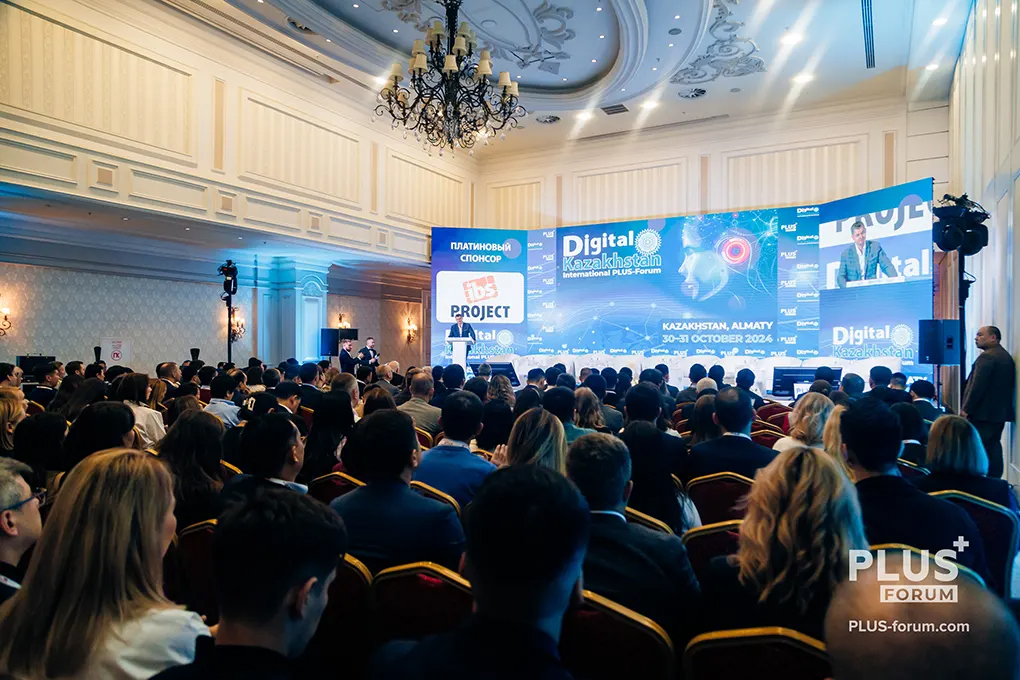
The large two-day cross-industry event took place on October 30-31, 2024 in Almaty, the city where the Forum, for the fourth time, brings together top managers and leading experts representing the financial sector, government institutions and retail business from countries and regions around the world.
The International PLUS-Forum “Digital Kazakhstan” once again emphasized its status as one of the largest business events in Central Asia and the CIS. This cross-industry platform brings together representatives of the banking sector, offline trade, e-commerce, payment systems, providers of solutions, market regulators, government bodies and leading industry experts who discuss the current state and development trends in the digitalization of the financial sector, eGOV and mass remote services.
In 2024, the Forum gathered over 1,600 delegates at the Rixos Hotel Almaty. More than 120 speakers of regional and international level spoke at the event.
During the large-scale exhibition, which was open on both days of the Forum, 94 exhibitors from 28 countries, including Austria, Argentina, Canada, Cyprus, China, the Netherlands, India, Italy, the UAE, Poland, Singapore, Türkiye, France, and the CIS countries, not only showed their latest products, technologies and services, but also presented business cases to demonstrate the results of application thereof.

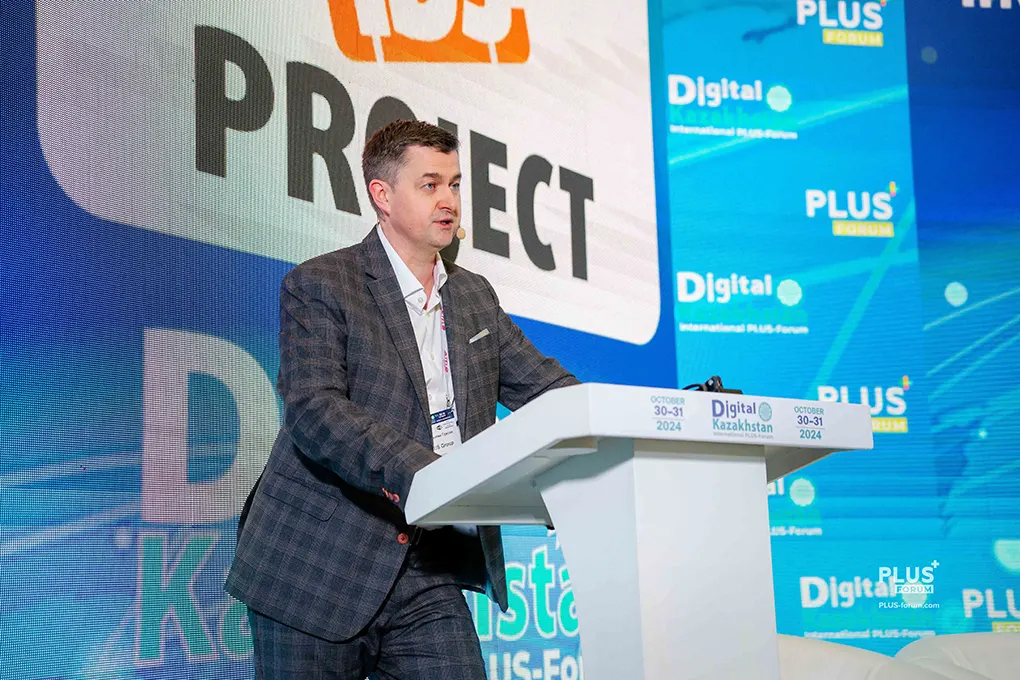
At the event, major stakeholders of the financial sector such as INTECHCARD, ALTEL, Innowise and IBS Project, as well as many other market leaders, presented their products and services. The full list of Partners, Sponsors and Media Partners of the International PLUS-Forum Digital Kazakhstan is available here.
Day one
Historically, PLUS-Forum Steering Committee Chairman Alexander Grizov greeted the delegates with his welcoming speech: “I am sure the number of tasks that require the most detailed discussion and search for solutions in 2024 is growing compared to previous years. I wish all of us successful work and good time at our Forum with maximum benefit for you and your business!”
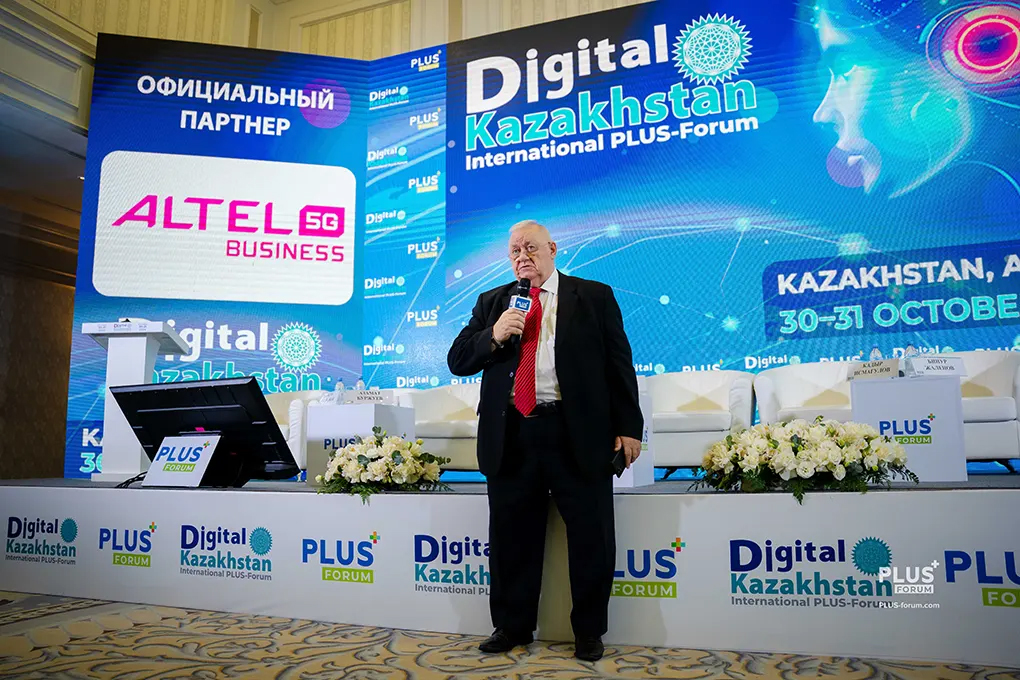
When opening the working programme of the PLUS-Forum “Digital Kazakhstan” conference, PLUS Group CEO and Steering Committee Deputy Chairman Konstantin Grizov welcomed the delegates and expressed gratitude to all Sponsors and Partners of the PLUS-Forum. “We have formed a unique pool of speakers. You will find powerful content, insights, lively discussions and real expertise from world-class experts,” he noted.
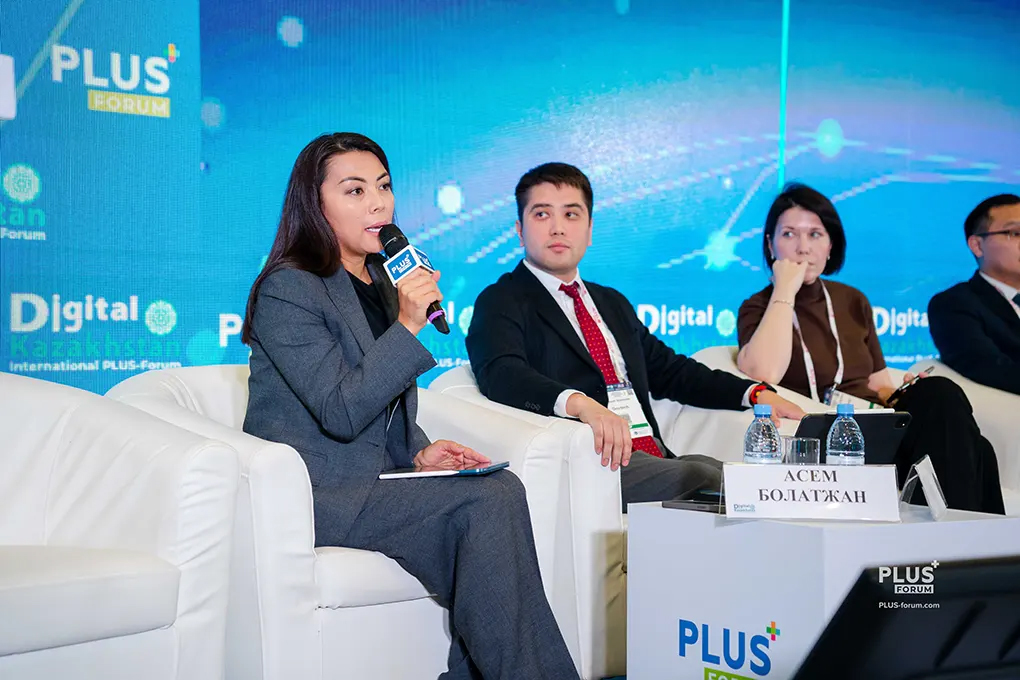
The first session “Digital Kazakhstan - 21st century. Trends. Results. Prospects” was moderated by Asem Bolatzhan, Managing Director, Qazpost
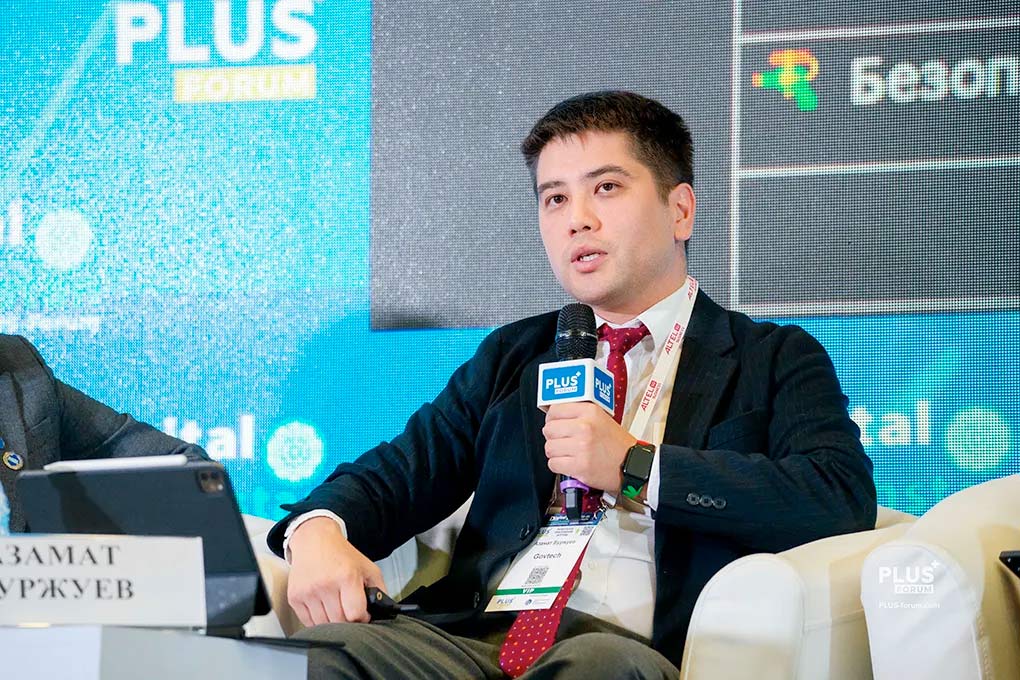
Azamat Burzhuev, GovTech expert, member of the Digitalization Council, ex-Head of the Digitalization Department of the Presidential Administration of the Kyrgyz Republic spoke about digital public services in Central Asian countries.
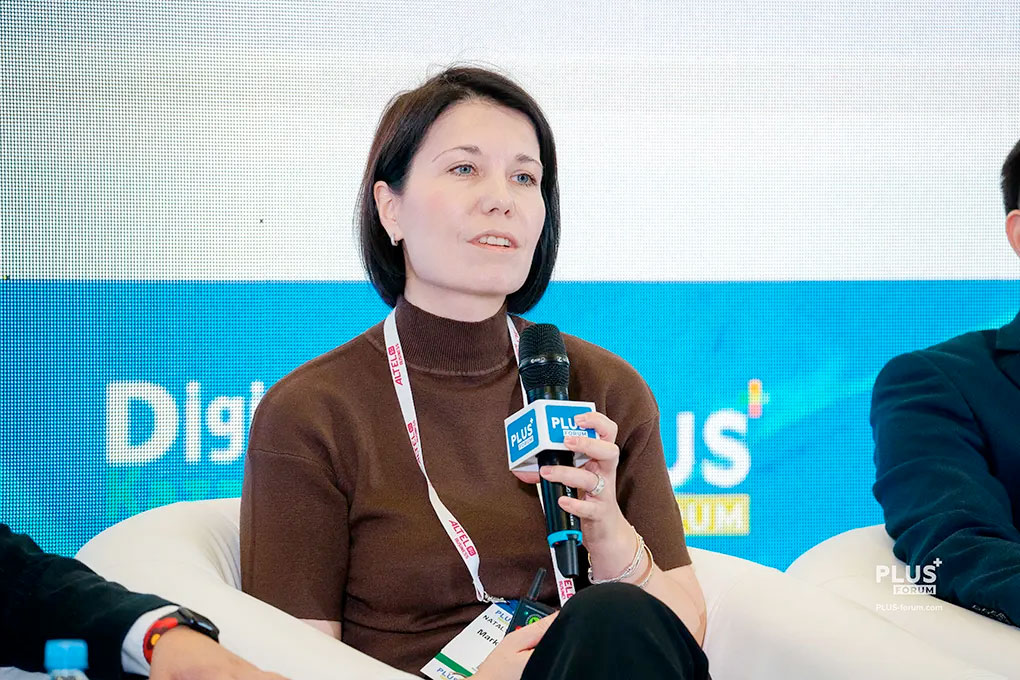
Natalia Malyarchuk, Public Affairs Consultant, specialist in public administration in the СА region, Head of GR Practice at Markets Mento, highlighted the main trends in the regulation of digital markets in Central Asia. She also emphasized the risks for foreign companies and noted the importance of dialogue between business and the government to create favorable conditions for innovation. In conclusion, the expert called on the PLUS-Forum audience to self-regulation and joint efforts to increase the attractiveness of the market.
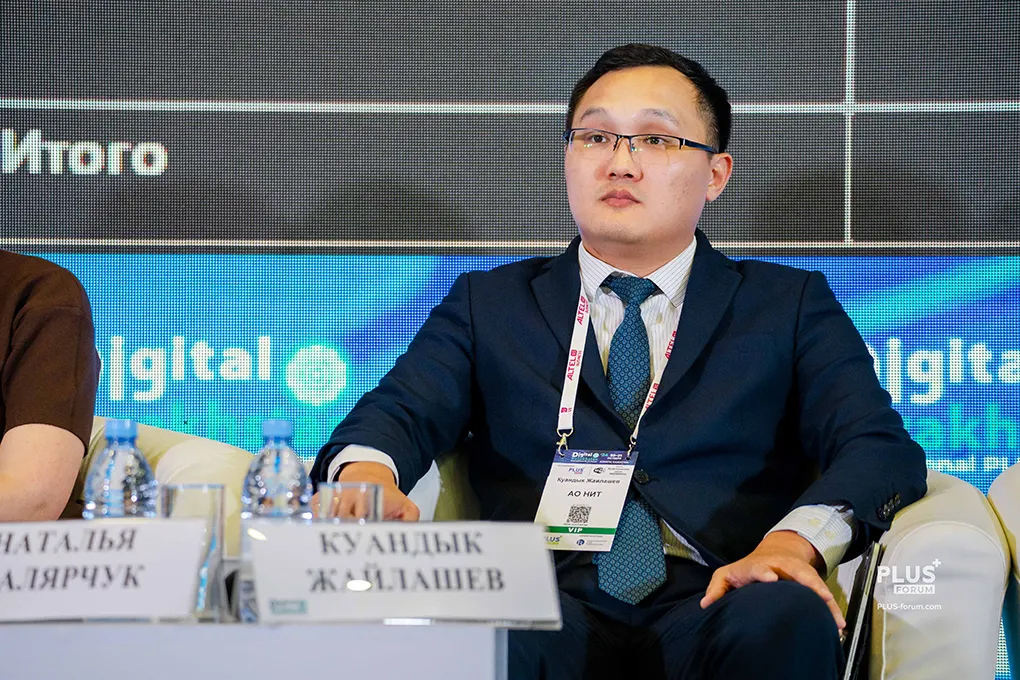
Kuandyk Zhailashev, Head of Systems Support and Development at National Information Technologies, spoke about the achievements of eGov and the launch of new services.
In his report “National Digital Financial Infrastructure”, Binur Zhalenov, Head of digital transformation and Chairman Councillor, The National Bank of the Republic of Kazakhstan, presented the concept of a digital national bank. He noted that the digital transformation strategy of the National Bank of Kazakhstan was focusing on infrastructure and new technologies, setting the goal of creating an advanced ecosystem of financial services.
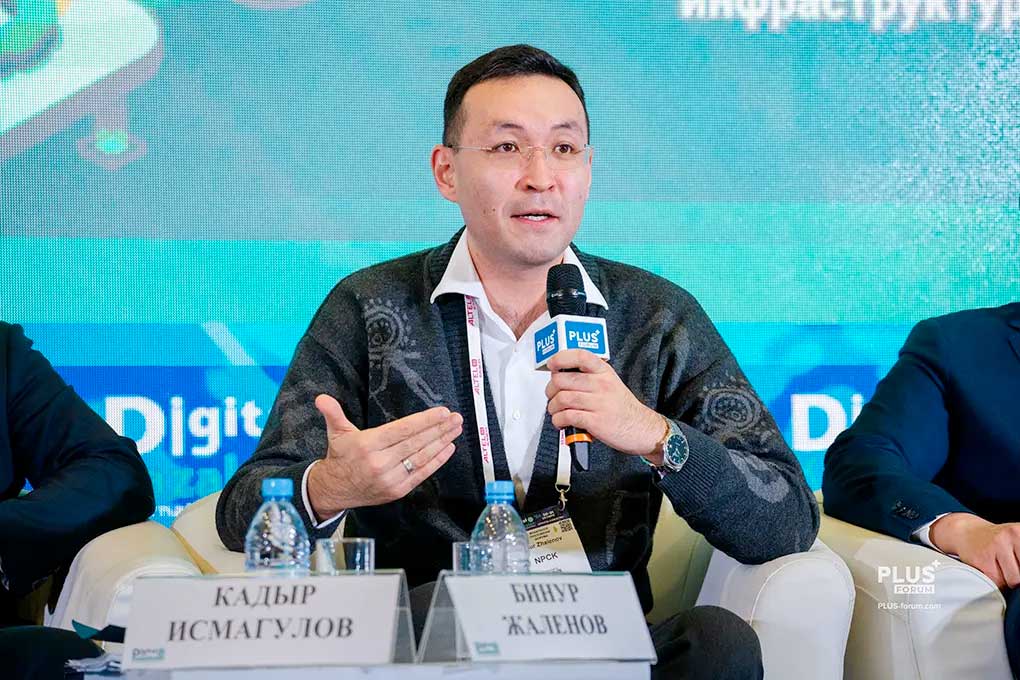
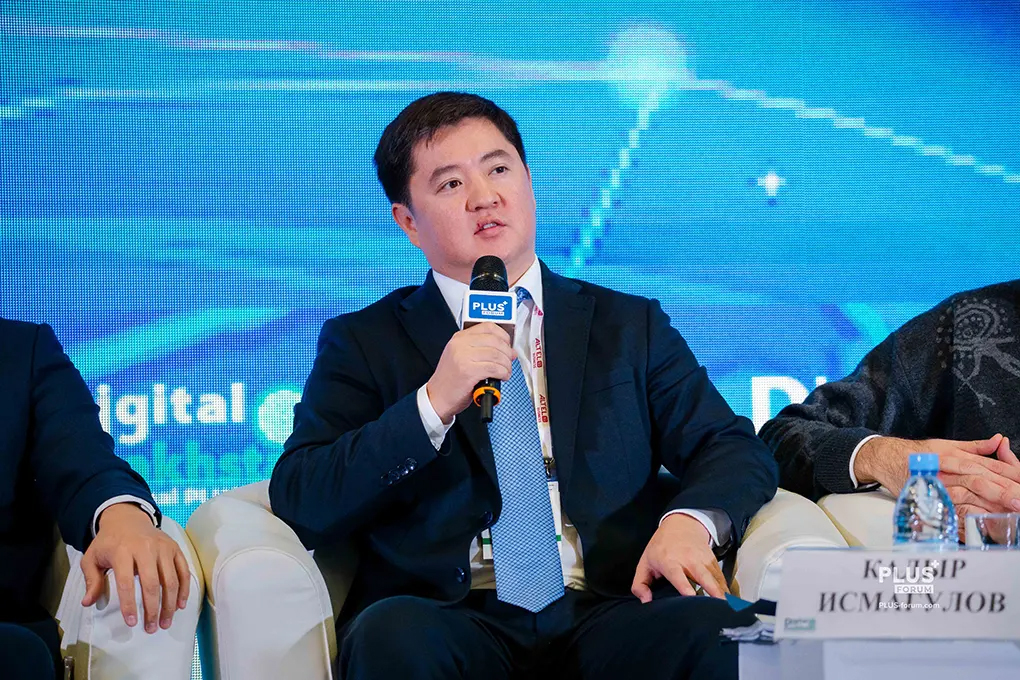
In his report “Digital VAT. Using the digital tenge in tax administration”, Kadyr Ismagulov, Head of Audit at the State Revenue Committee under the Ministry of Finance, noted: "We are trying to keep up with the times, exploring new digital technological solutions and trying to build a service model of tax administration. VAT refund is one of the difficult issues for both business and the state. Therefore, together with the National Bank, we launched ‘Digital VAT’, a pilot project aimed at the “VAT refund” public service modernizing and improving based on the digital tenge.”
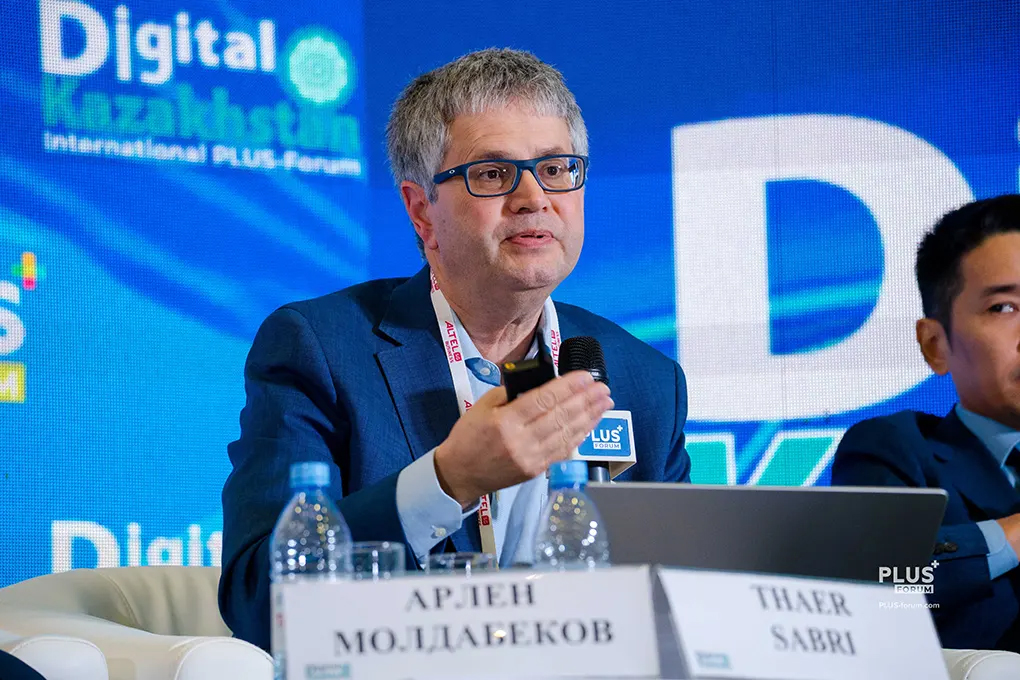
Thaer Sabri, CEO, Electronic Money Association (EMA), reported on “Cryptocurrencies and e-money: competitors, symbiotes or a single entity?”
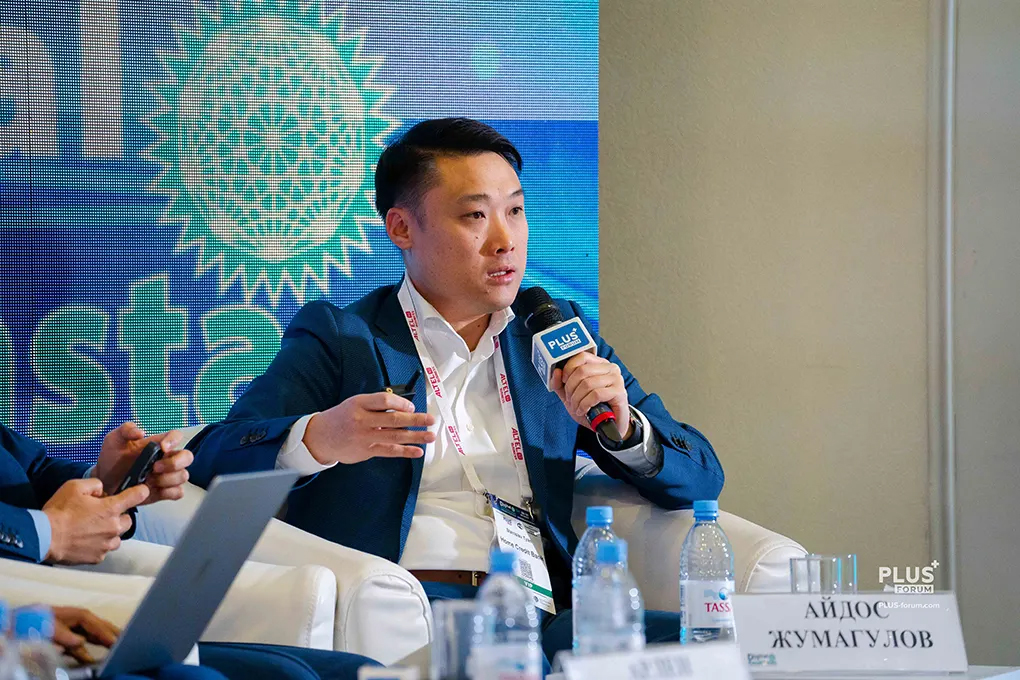
Speaking about new digital financial solutions, Aidos Zhumagulov, Board Member, Freedom Bank Kazakhstan, noted in particular: “In Kazakhstan, open government services have formed new standards in the market. Tens of millions of requests and responses go through mobile applications of banks. Standardized databases, individual identification number (IIN), remote identification and digital signature have made it possible to digitize most of the bank's products and services. Everything that happens in Kazakhstan in the field of digital financial services is a unique case.”
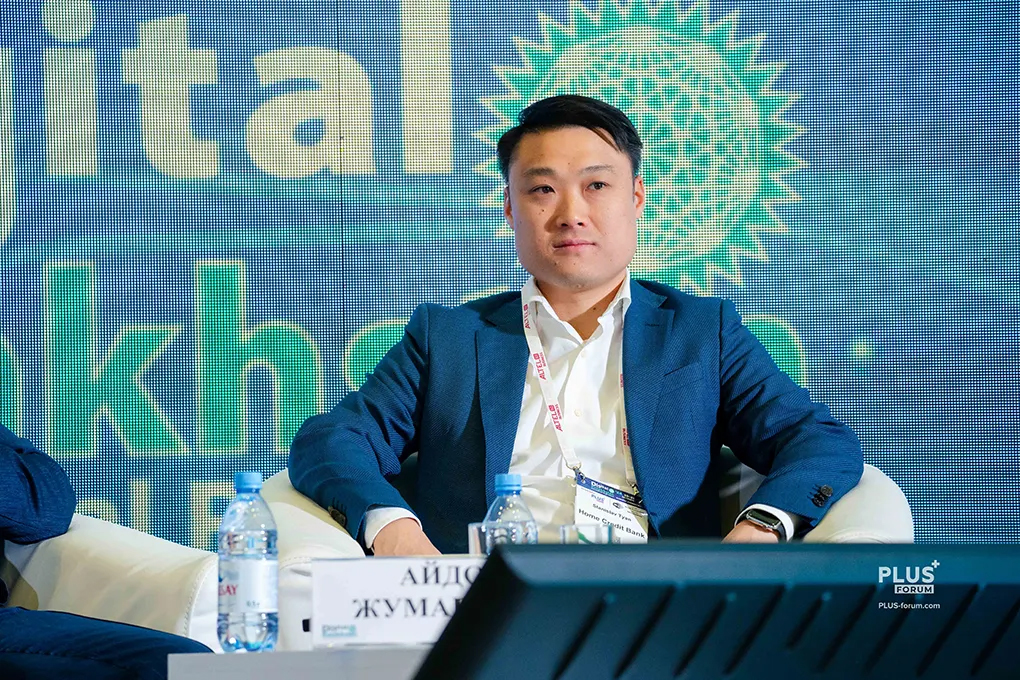
Stanislav Tyan, Managing Director for Strategy, Partnership and Digital, Home Credit Bank, reported on “Digital Partnerships: Value for the Client”.
Arlen Moldabekov, Deputy Head of Payment Systems Policy at the Department of Payment Systems, The National Bank of Republic of Kazakhstan, spoke about the development prospects for the payment industry in Kazakhstan. In particular, he informed about the key indicators and structure of the country's payments market, emphasizing the high level of non-cash payments and developed interbank infrastructure. Large value payments account for 89% of the total volume (962.7 trillion tenge for 8 months of 2024). Private payment systems account for 11% of the total volume (119.5 trillion tenge).
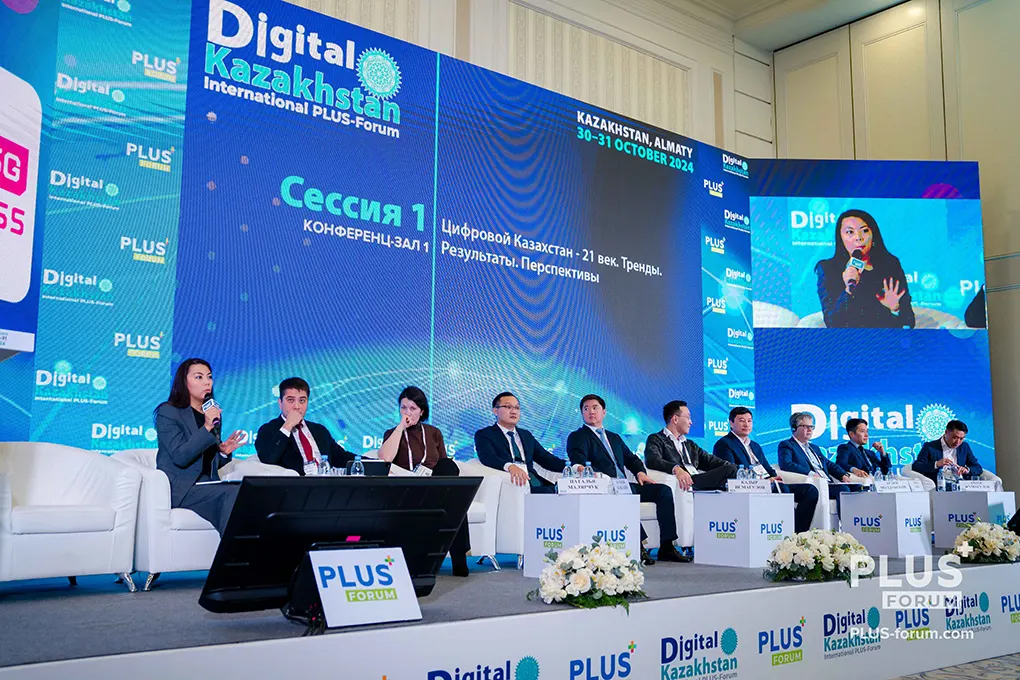
The session “Key fintech tendencies. AI as the basis for modern remote banking” was moderated by Daniyar Omurzakov, Regional Director for Central Asia, CyberNet.
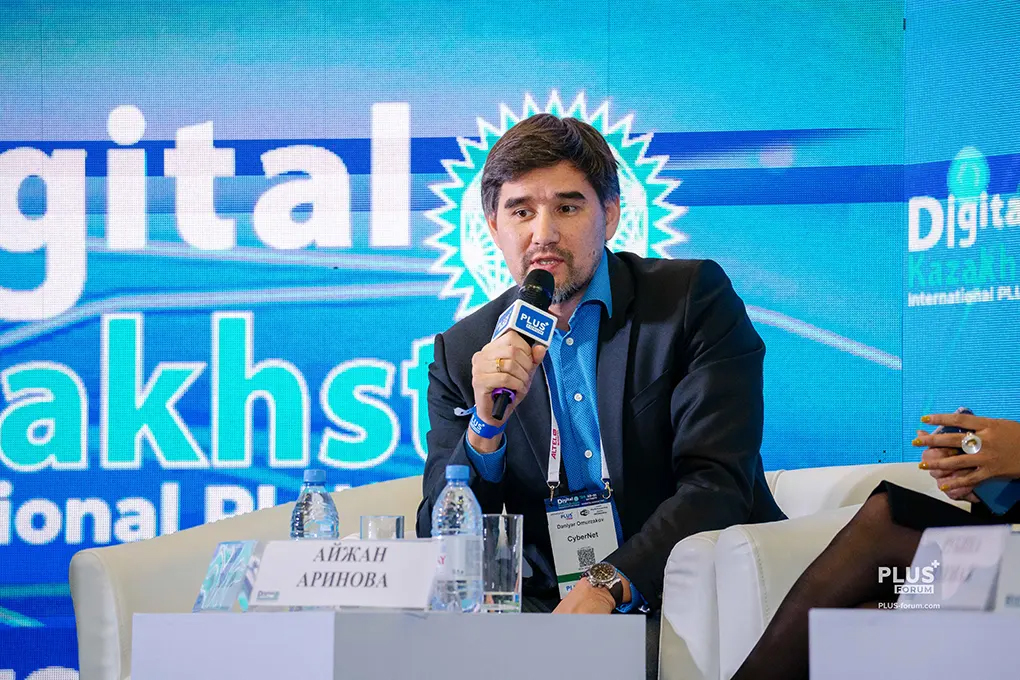
Aizhan Arinova, Financial Technology Department, The National Bank of the Republic of Kazakhstan, informed that the regulator was launching a “data factory” project to modernize data management and improve analytical capabilities. In the next five years, the bank plans to create a single platform for integrating data from internal and external sources, which will improve the quality of data and simplify analysts’ access to it. As part of this strategy, the National Bank of the Republic of Kazakhstan will implement a centralized model of financial market data, reduce duplication of indicators and improve their quality through operational changes. In addition, artificial intelligence will be intensively used for analysis and decisioning process support.
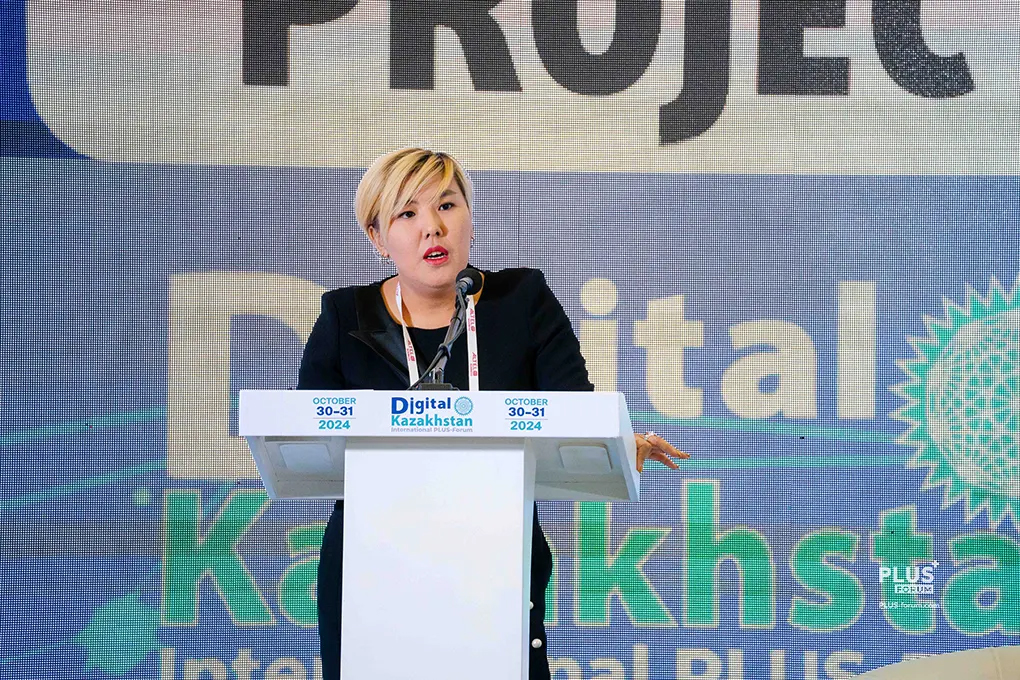
Rubina Lozovaya, VP for Data and Retail Risk Management, Bank CenterCredit, presented cases of the AI development strategy implementation in the bank resulted in higher profits and better customer service.
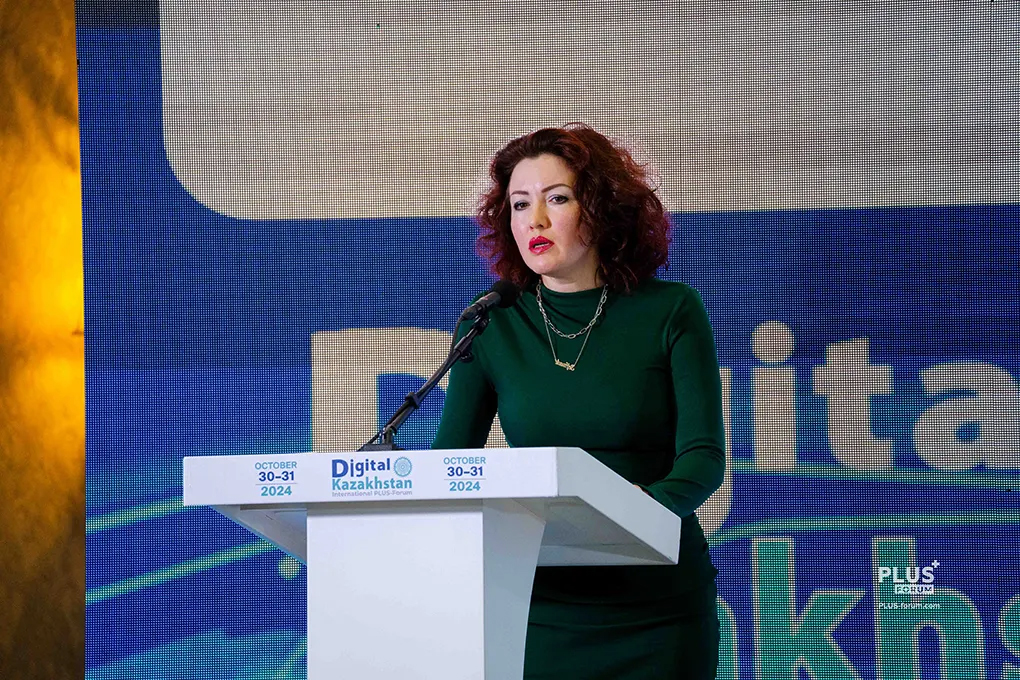
Nurdaulet Zholdasov, Nurdaulet Zholdassov, Head of Data Monetization, Altel Business, shared his experience in implementing new technologies, including Big Data, when modifying customer services.
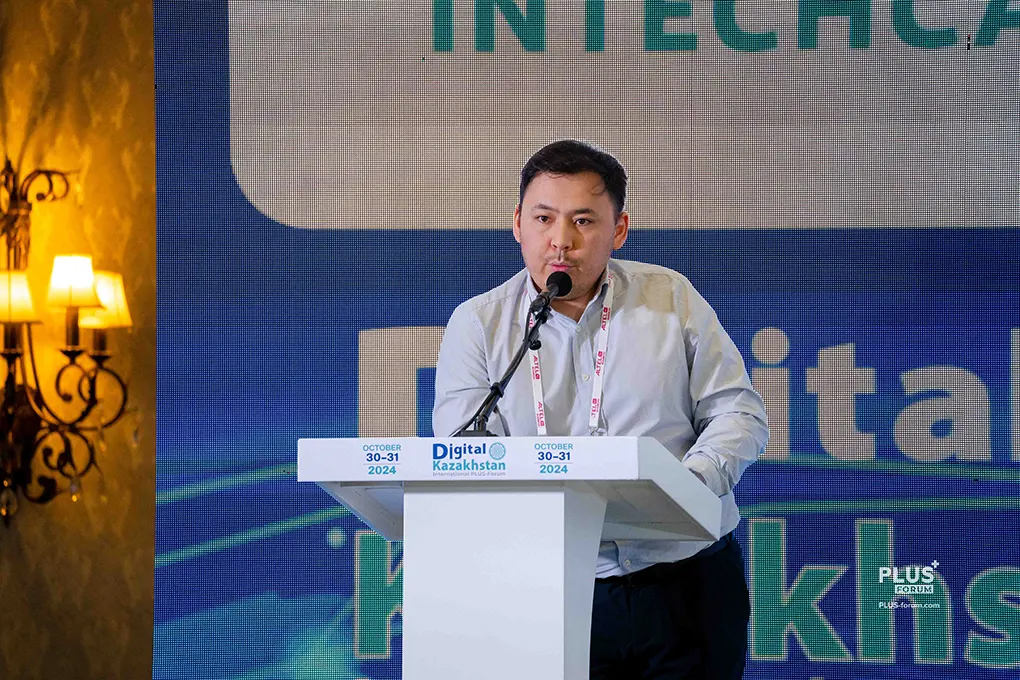
Dzianis Kryvitski, Competency Center Delivery Manager at Innowise FinTech, went into the details of understanding the development trends of modern fintech tools, such as CeDeFI, RPA and AI.
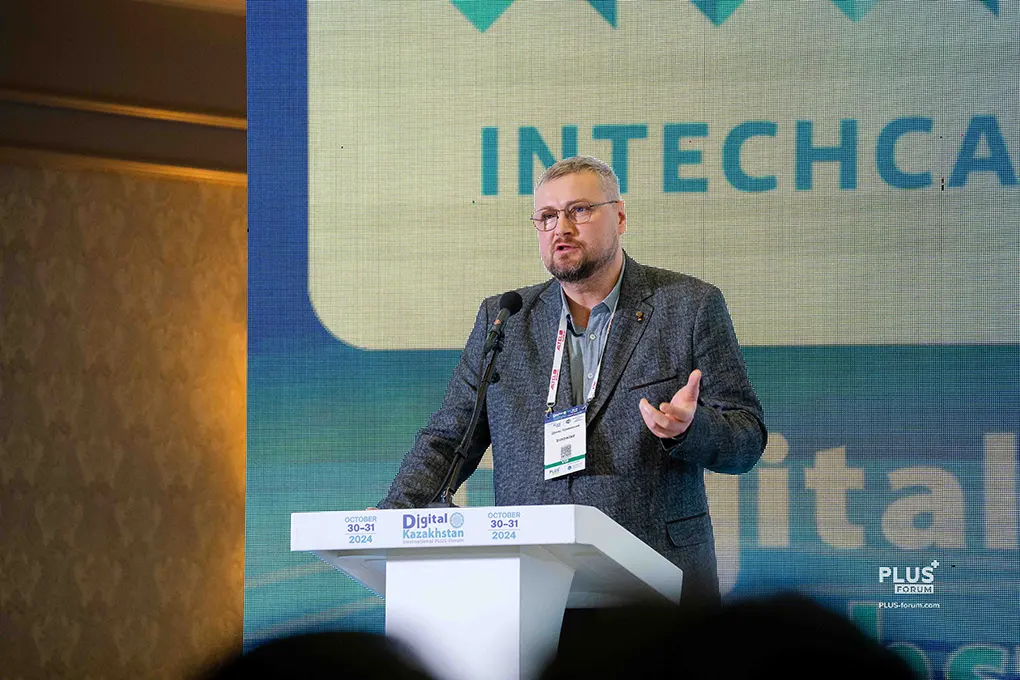
German Mikhaylov, Head of Sales in the Financial sector, Speech Technology Center, spoke about the implementation of AI to create a high-quality and effective remote banking service. In particular, the speaker noted that, according to Gartner experts, 14% of all interactions with clients will be AI-based by 2027. He also emphasized that high-quality AI operation needs an extensive set of data. Today, companies are intensively integrating data from various sources – from clients’ digital footprints to the history of interactions.
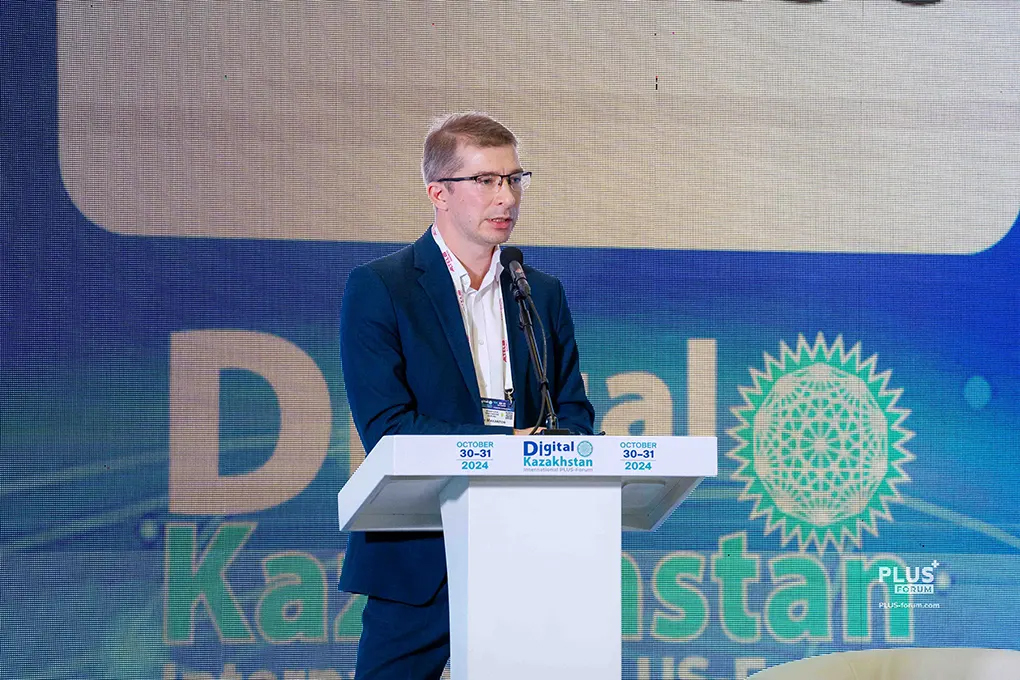
Alexander Partin, Attorney, Partner, Privacy Advocates, Co-founder of RPPA.Office (rppa.pro), Privacy & AI expert, reported on “Legal nuances when collecting data for AI model training”.
Konstantin Aushev, Partner and Head of Technology Consulting Practice at KPMG Caucasus and Central Asia, spoke in detail about the growing cyber threats in the financial sector of both the Russian Federation and other CIS countries. The speaker focused on the risks of third parties and recalled current data protection cases.
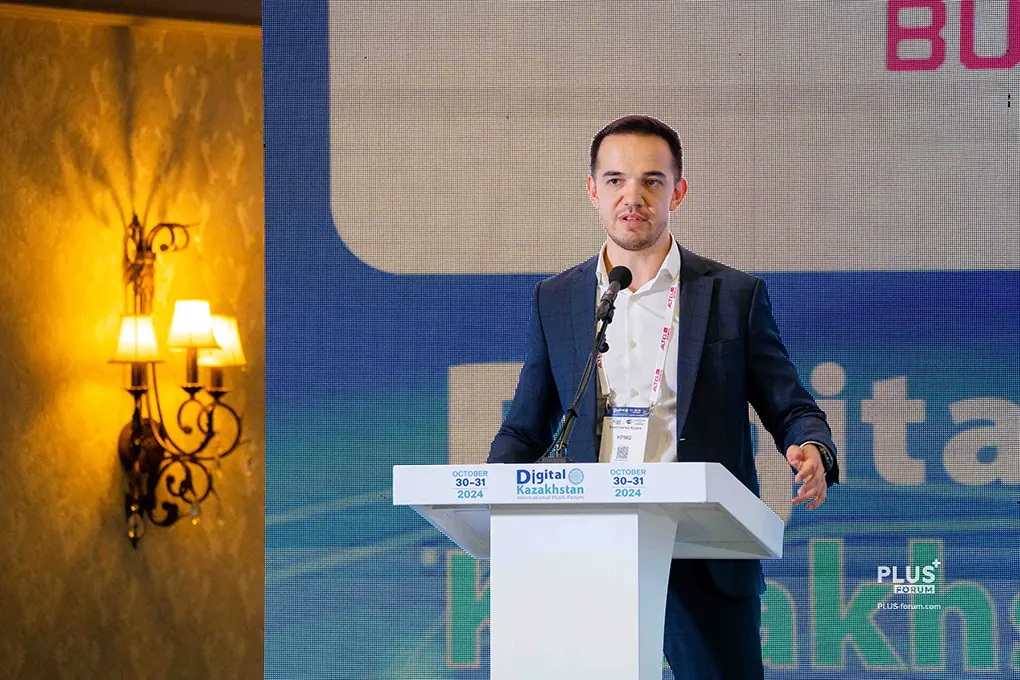
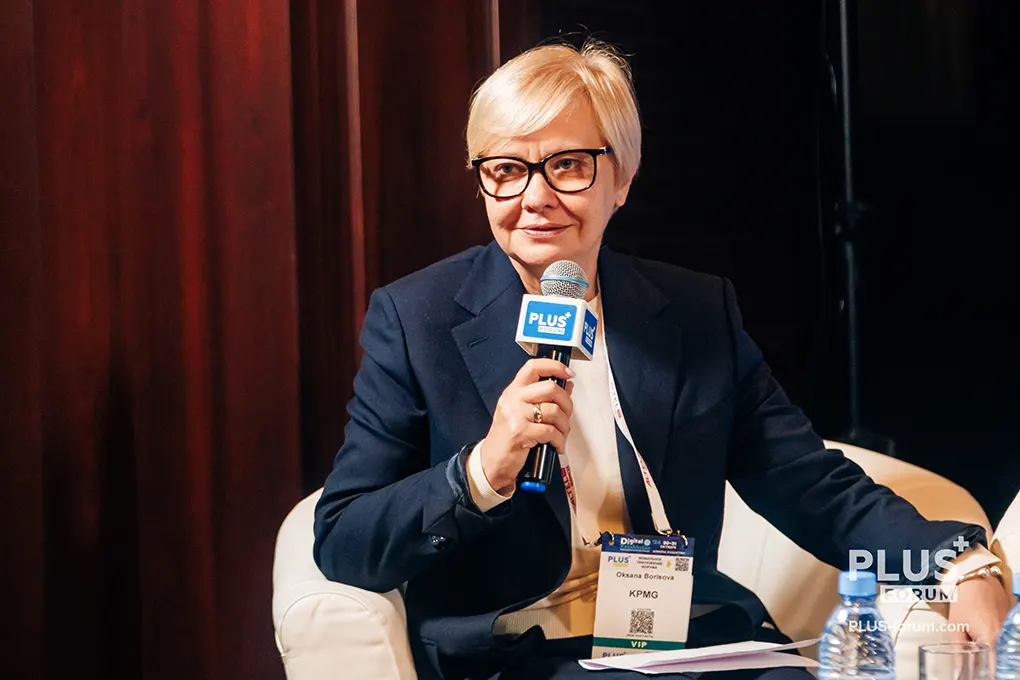
Scenarios for changing the banking system model were discussed at the session “Open Banking – its present and future. Changing the banking system model? Specific business cases”. The session was moderated by Oksana Borisova, Partner of Technology Advisory Group at KPMG Caucasus and Central Asia.
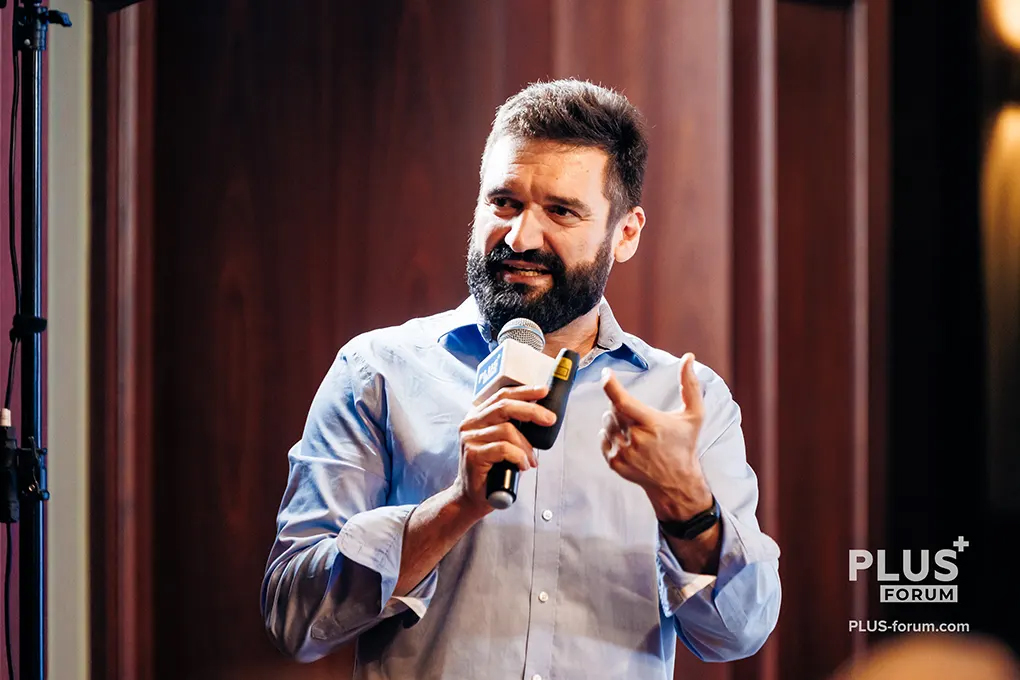
In his speech, Fyodor Virin, Partner, Data Insight, analyzed how the consumer is changing today and what this will lead to. According to the expert, the gap in consumer experience presents today a serious problem that must be effectively countered, in particular, through creating a seamless consumer experience based on innovative technologies, including CJM. A tool for that is the ecosystem approach, which is increasingly practiced in Kazakhstan today, as well as further personalization of service.
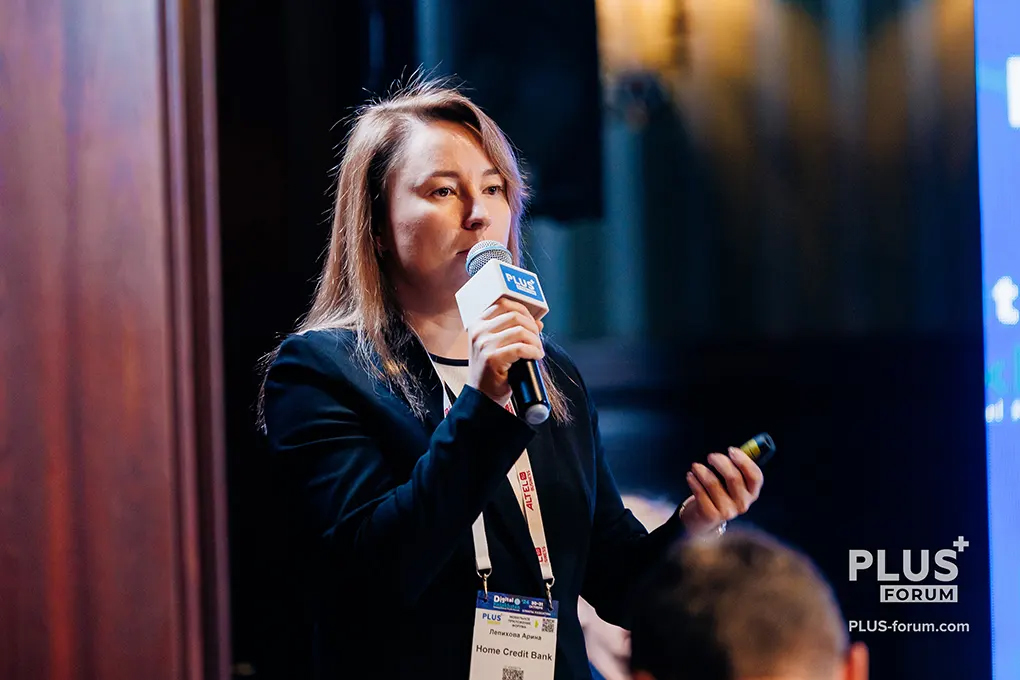
In her presentation “SMEs – a global trend”, Arina Lepikhova, Managing Director for SMEs, Home Credit Bank, shared her experience of creating from scratch a bank for SMEs. According to her, as many as c.40% of enterprises around the world use digital solutions today, and 12% of the global trade turnover already goes through digital platforms. In Kazakhstan, 25% of the turnover goes through digital trade platforms today. The next step is the digitalization of onboarding. Speaking about the role of small and medium-sized businesses, the expert cited interesting statistics: SMEs provide 50% of jobs in the European Union, 85% in Canada and about 35% in the United States. As for Kazakhstan, this figure is expected to exceed 40% in 2025.
Maksim Mitusov, expert in payments and money transfers, WalletOne, ex-YandexFintech, presented his report entitled “Banks' transaction business is the basis for further development. Or have payments ceased to be banking know-how?” He noted that Kazakhstan, along with Russia and a number of other countries, are at the most advanced stage of ecosystem development of banking. In Kazakhstan, as in the Russian Federation, there are 1.9 active bank cards per person on average. As for the number of POS terminals per capita, this indicator is twice as large in Kazakhstan compared to Russia.

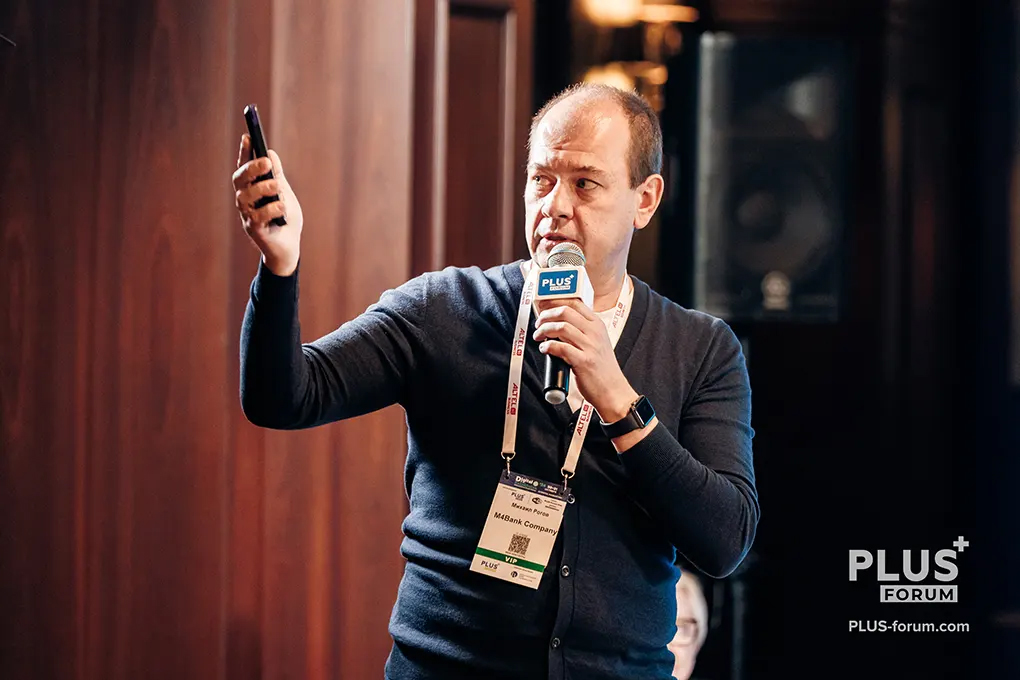
Mikhail Rogov, Deputy CEO, M4Bank, called his presentation “Payment Technologies - Memories of the Future”. Payment technologies are developing so rapidly today that we simply do not have time to notice that the future has already arrived, the speaker said. As an example, he cited the widespread penetration of Android-powered payment devices, which are practically no different in their functionality from smartphones, as observed in some markets. Another trend, the expert said, is the adoption of multi-vendor software, as well as QR code payments.
Andrey Tikhiy, Sales Director, Oracle Financial Services in the CIS, spoke about the implementation of new generation banking services on open API platforms. According to him, the initiatives of the market and regulators have significantly contributed to the implementation of the Open Banking concept. Today, banks are investing in API solutions quite heavily, which allow them to significantly reduce investments in building new business processes. And from this point of view, the Bank-as-a-Service (BaaS) concept deserves special attention.

Dmitrii Vakin, General Partner and co-Founder of InteriseGroup, investor and business angel, BRICS business council member, made a presentation “Open Data banking: samurai's path from a segment model to personalization”. He emphasized the need to formulate a clear answer to the question: what is this concept built for and what does it give to the client? Meanwhile, in-depth research and statistical analysis have, according to the speaker, serious shortcomings that prevent us from relying on them completely when searching of such an answer.
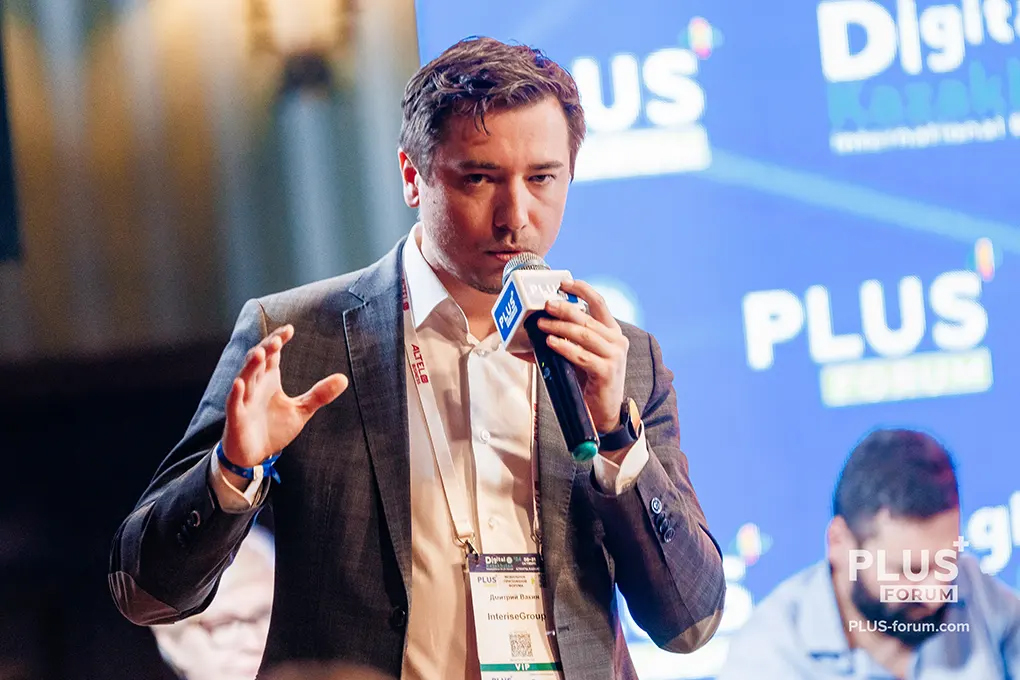
Denis Romanov, Senior Sales and Account Manager, Compass Plus, spoke about Open API as a tool for unlocking the potential of the platform. According to the speaker, standard methods of transactional business are gradually getting obsolete, and banks have to invent something new. This is why everyone is interested in the concept of Open Banking, which allows achieving a certain synergy. As an example, the expert cited the joint project of Sber and T-Bank. He also informed about the capabilities of the out-of-the-box solution for Open Banking offered by Kompas Plus.

In turn, Vitaly Kopysov, Director for Innovations at Sinara Bank, also touched on the topic of Open Banking, considering the stages of fintech evolution – yesterday, today and tomorrow. The main refrain of his speech was the statement that open banking is now a pressing need for any market.

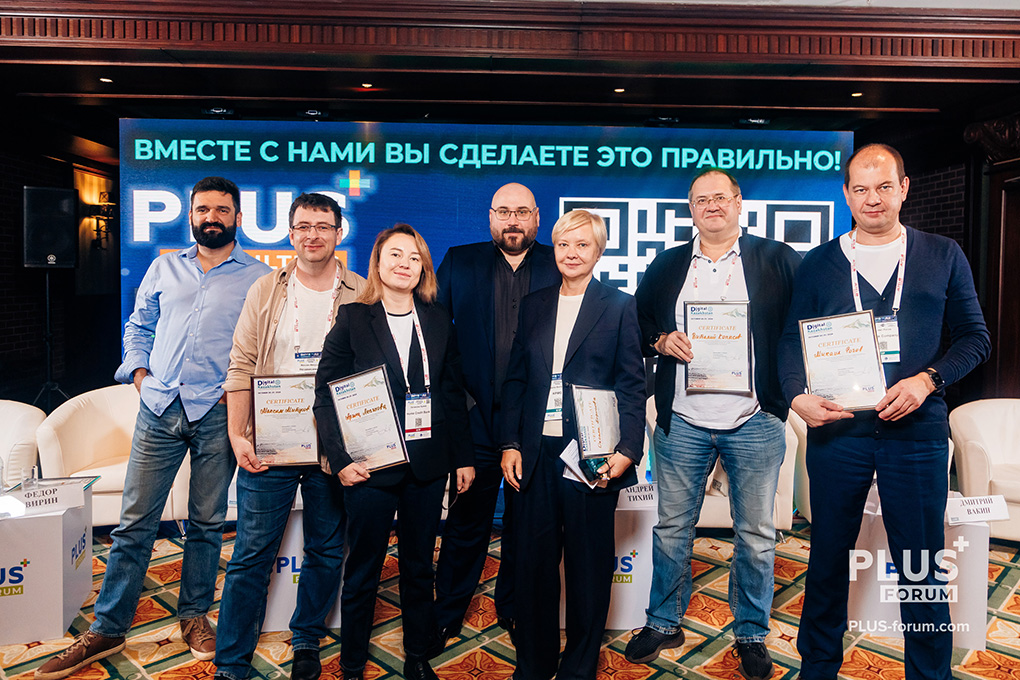
Open Banking – present and future
The round table “Marketplaces are winning. Local or foreign ones? Who does the future belong to?” brought together the leaders of e-commerce from Central Asia and the CIS. Ivan Fedyakov, Founder and General Director, INFOLine, was the moderator.
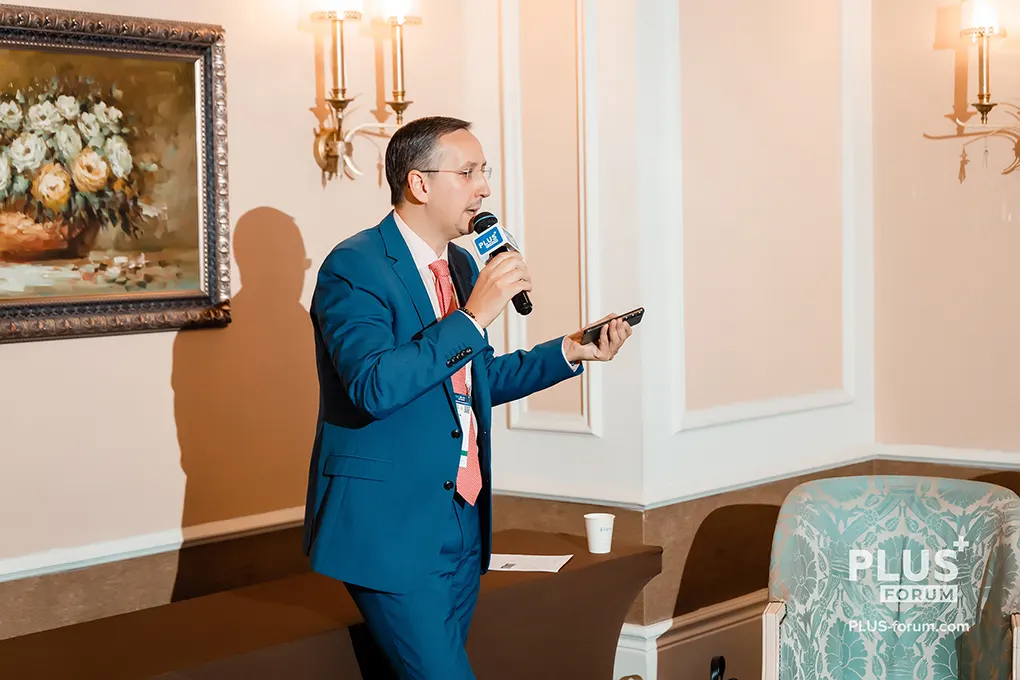
E-commerce continues to have a significant impact on the consumer market of Kazakhstan, where eCommerce penetration reached 12% in 2023. The eGrocery segment is showing particular growth, and consumers are increasingly getting into the habit of online shopping.
Kazbek Kuzhimov, GR Director at Wildberries Kazakhstan, emphasized that the trend in the development of marketplaces is moving towards the formation of an ecosystem, and government support, harmonization of legislation, digitalization and faster delivery remain the key growth drivers in Central Asia.
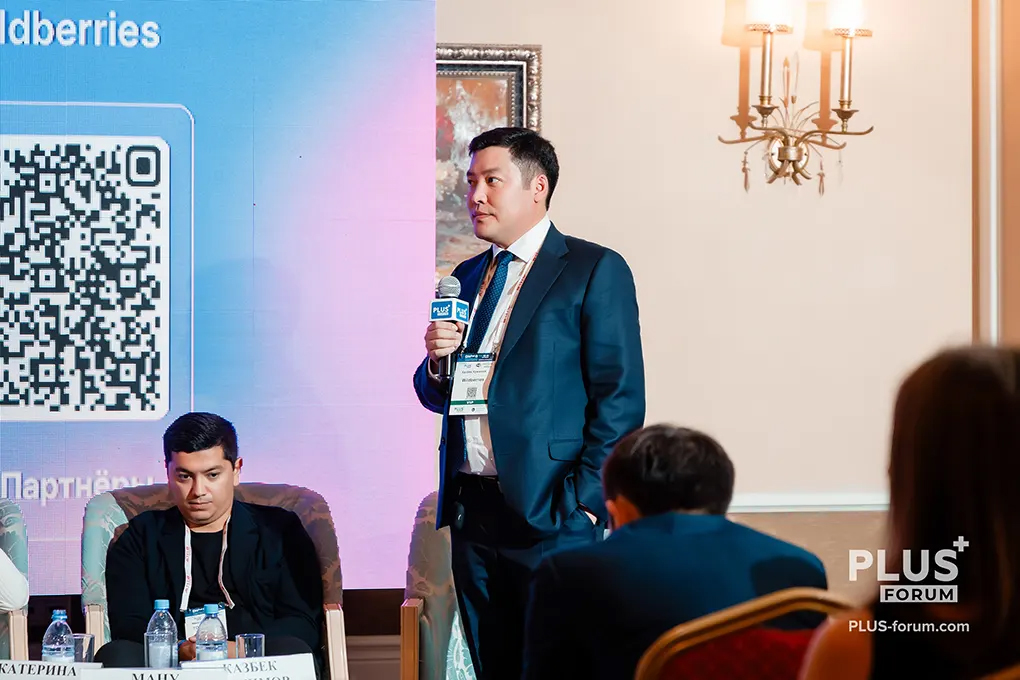
Ilshat Khametov, General Director, Uzum Market, Uzbekistan, said that Uzum Market, in two years of its existence, had revolutionized the market of Uzbekistan, which is the fastest growing one in Central Asia with the current eCommerce penetration at 1.5–2%. By 2027, the eCommerce market in the republic may grow 7 times. The company is intensively developing its own logistics infrastructure and aims for an IPO in 2026–2027 with subsequent localization in neighboring countries.
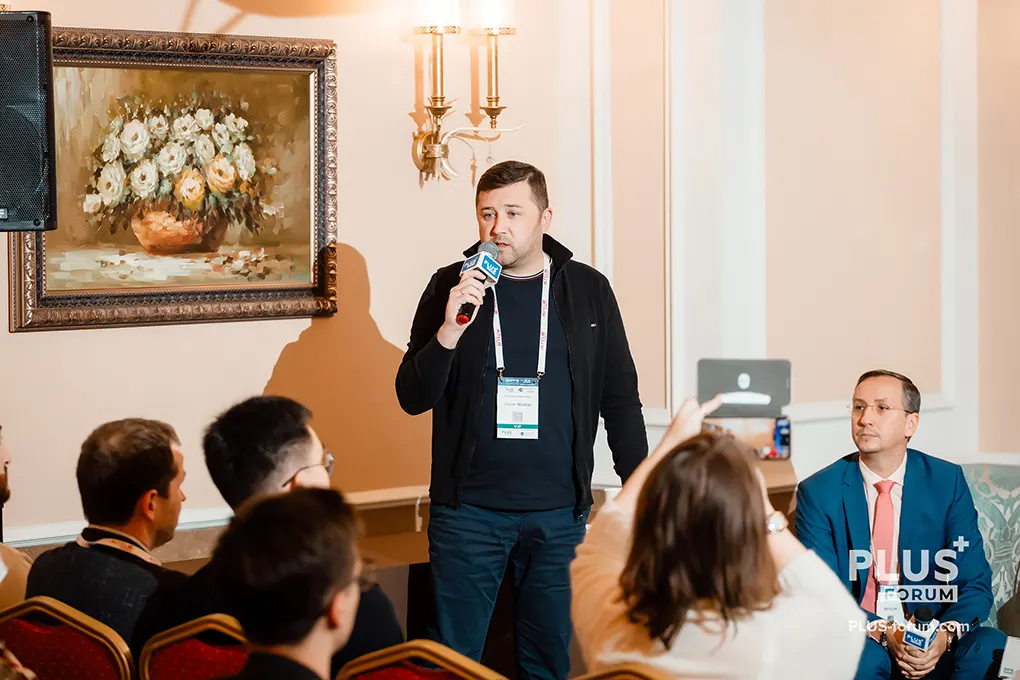
Roshangul Tokhtyanova, Head of Category Management at Ozon CIS, noted that Ozon was rapidly expanding its presence in Central Asia and the Caucasus, gaining 70% of active Internet users in Kazakhstan. In the first half of 2024, the company's client base in the country reached 1 million people.
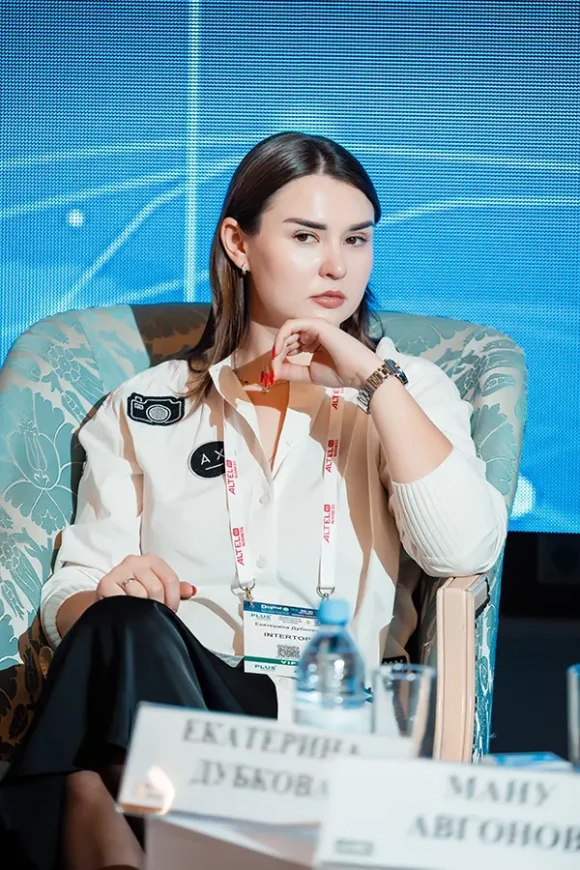
Ekaterina Dubkova, Head of eCommerce, Intertop, noted that the company's total sales through eCommerce amounted to 35%, and the company plans to launch its own fashion marketplace in the near future.
Manu Avgonov, Head of Yandex Delivery CIS, spoke about achieving over 1 million deliveries per day in 2023 in all markets except Russia.
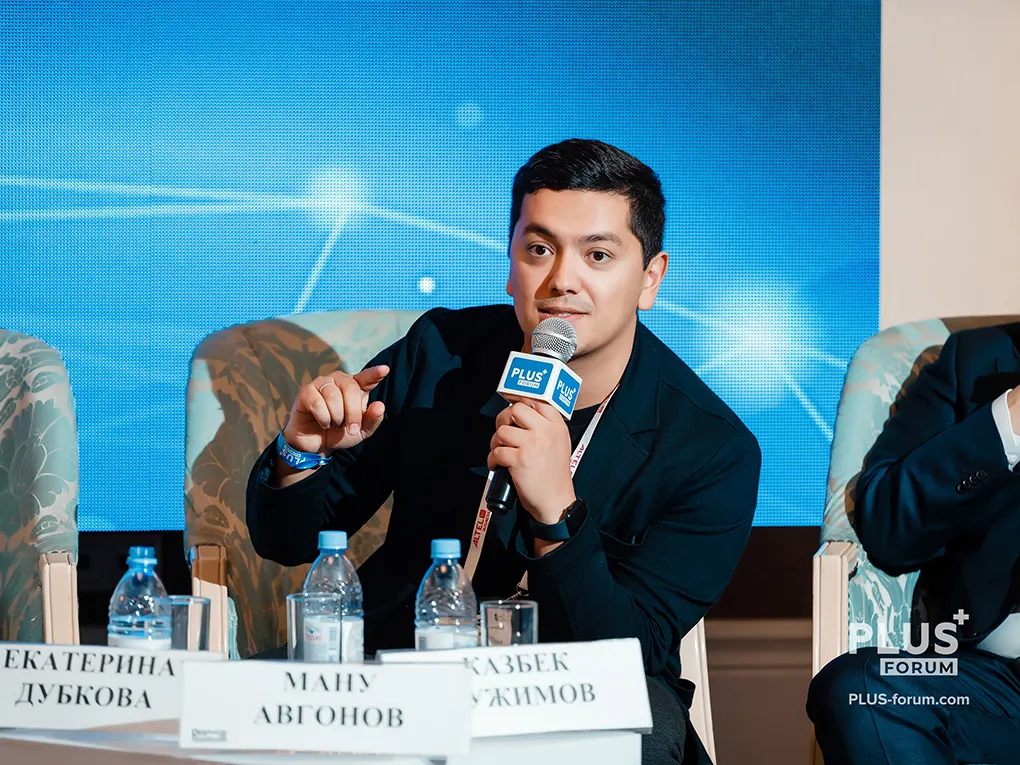
One of the main issues discussed at the Forum was the fight against counterfeiting. Wildberries and Ozon are actively working to improve intellectual property protection mechanisms using digital arbitration and “The Original” labels.
Discussing HR issues, experts noted that the shortage of couriers could become a challenge, especially in the context of rising salaries and increasing demand for logistics services. The participants predict that within 5-7 years, eCommerce penetration could reach a plateau of 30-35%, which will become a new milestone for the development of digital commerce in the region.
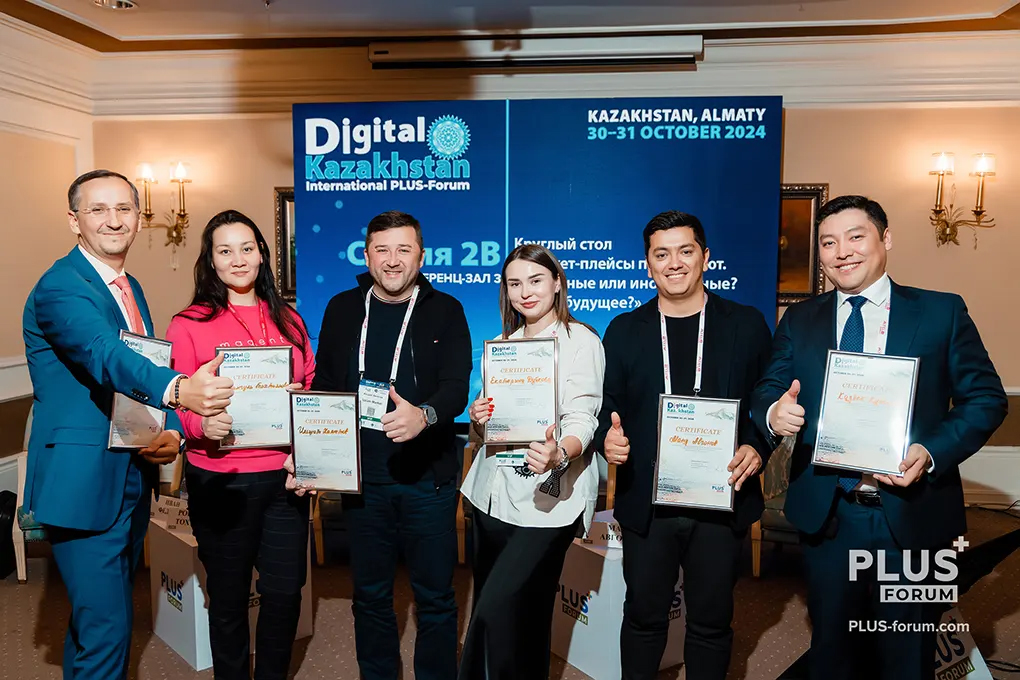
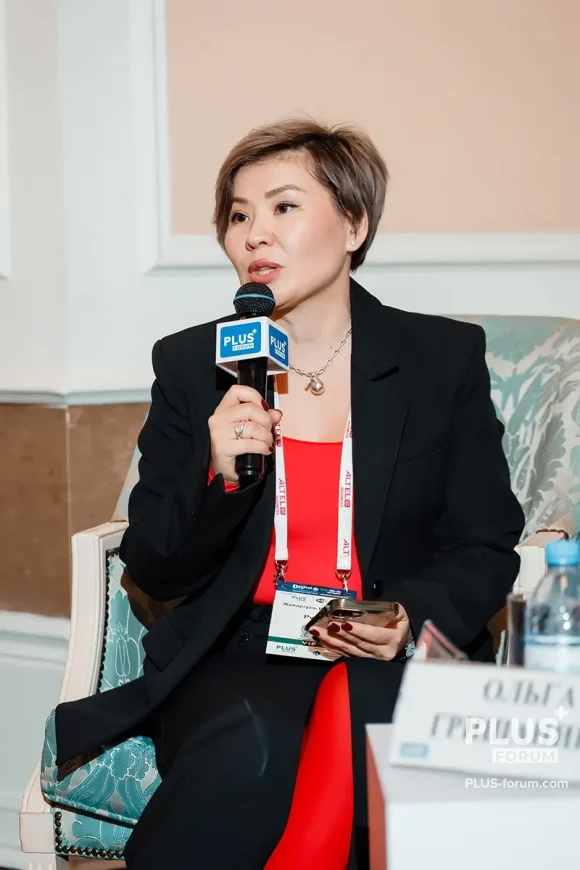
The participation of women in ambitious projects was discussed by the speakers at the session “Women CEO in Tech”, moderated by Zhanargul Izimova, FI Digital Transformation Practice Leader, Strategy&, part of PwC.
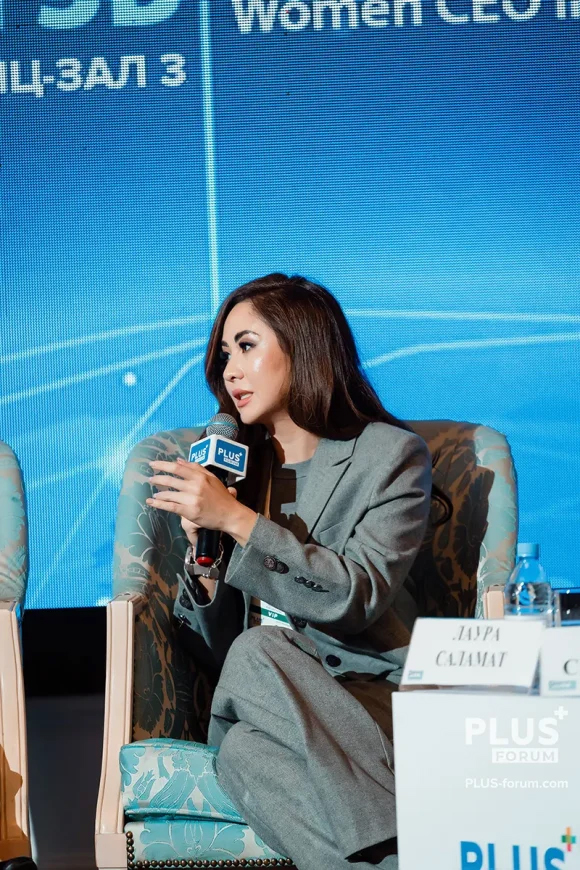
Laura Salamat, CEO, Algarytm Integration, shared her experience of working in the public sector.
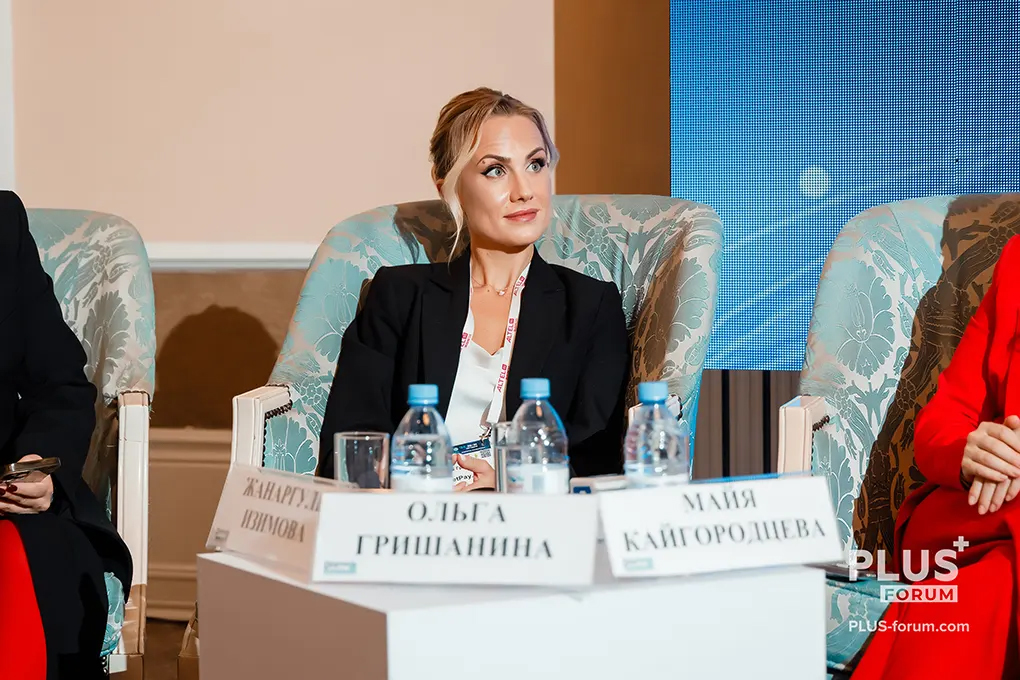
In turn, Olga Grishanina, CEO, Jetpay, spoke in detail about the role of mentors in the newcomers’ careers.
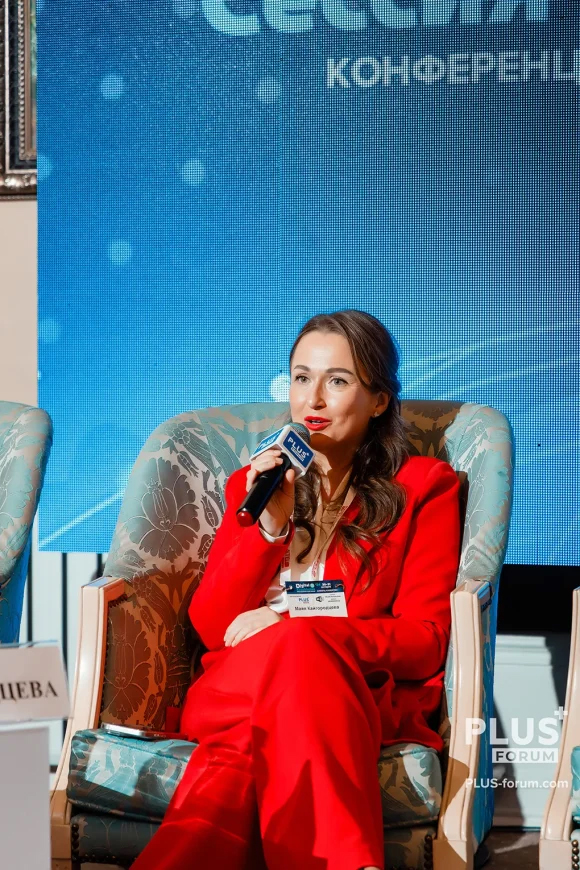
Maya Kaigorodtseva, Founder, Soft Creation, spoke about the implementation of new digital technologies.
Aikanysh Saparalieva, CEO of Glovo, Kazakhstan, and Anastasia Tukanova, CEO and co-Founder of the IT platform Harmonia.kz, took an active part in the dialogue.
The speakers discussed various aspects of women's participation in ambitious projects, problems of personal and professional growth, as well as changes in the industry under the influence of new technologies.
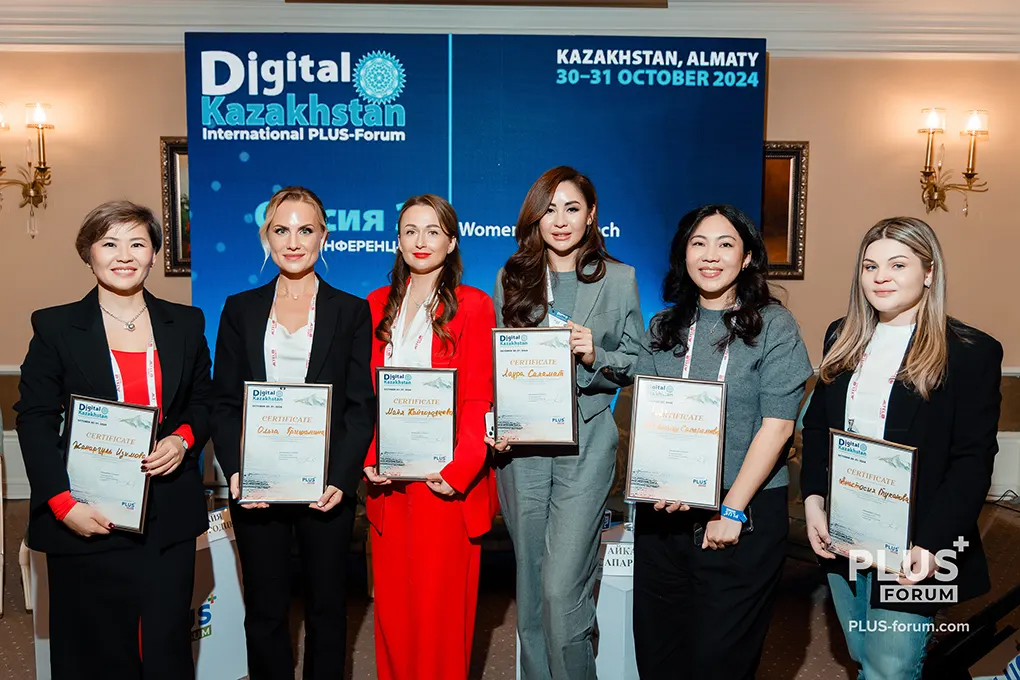
Women CEO in Tech
Key trends in the financial services segment were discussed by experts during the session “Financial services in the digital era. Non-financial players in the financial sector. Embedded finance”. The session was moderated by Agiis Konkabayevа, expert in IT and fintech products digitalization and digital transformation; CEO, co-Founder of tekmates.
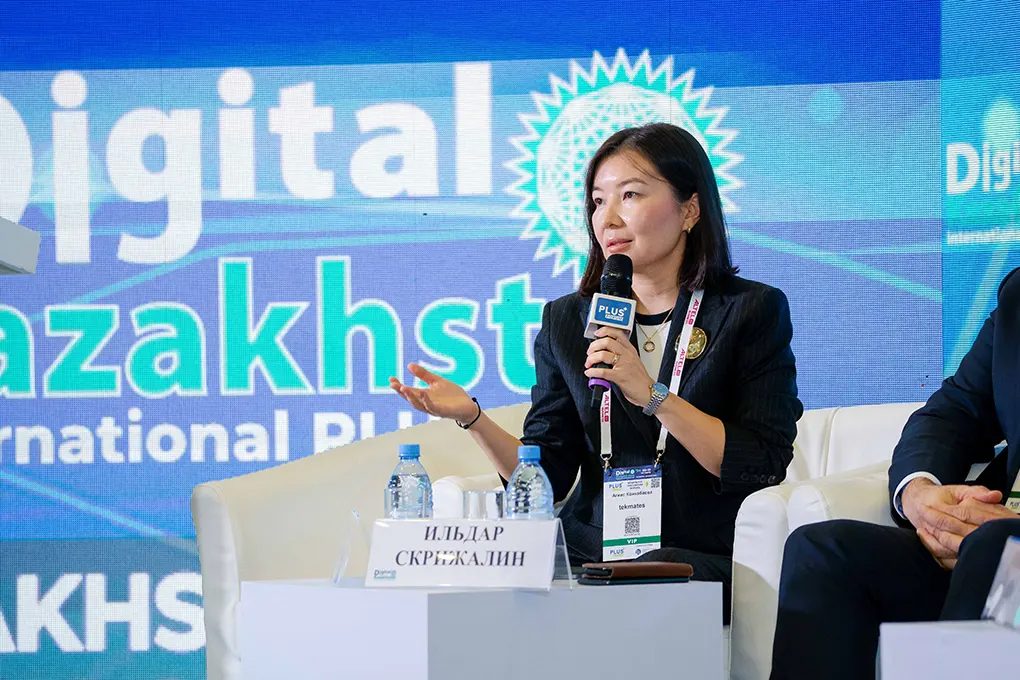
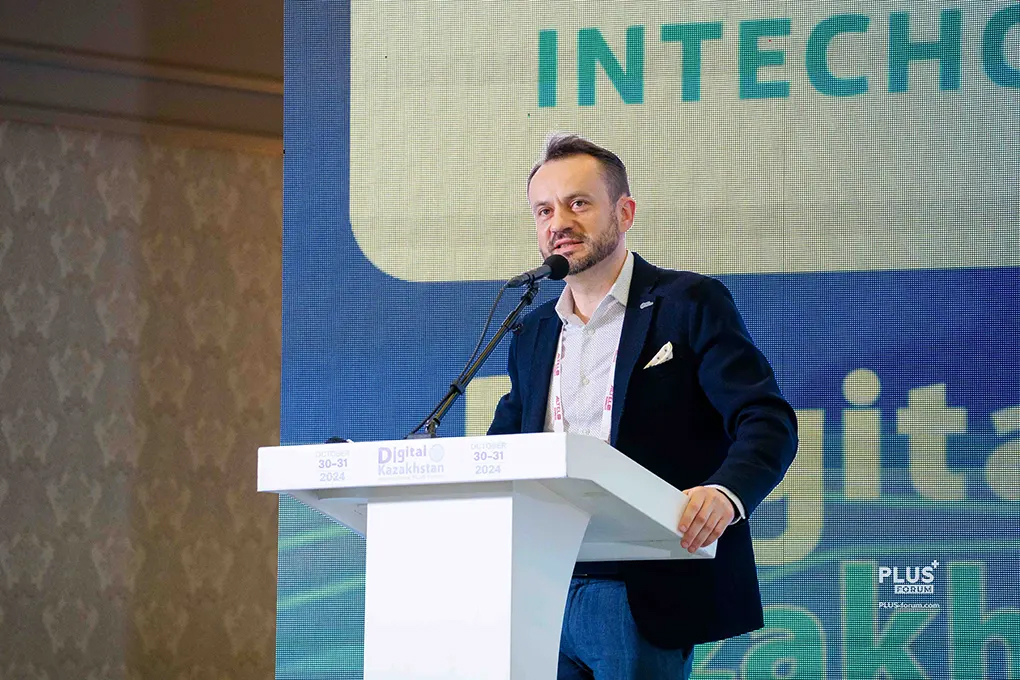
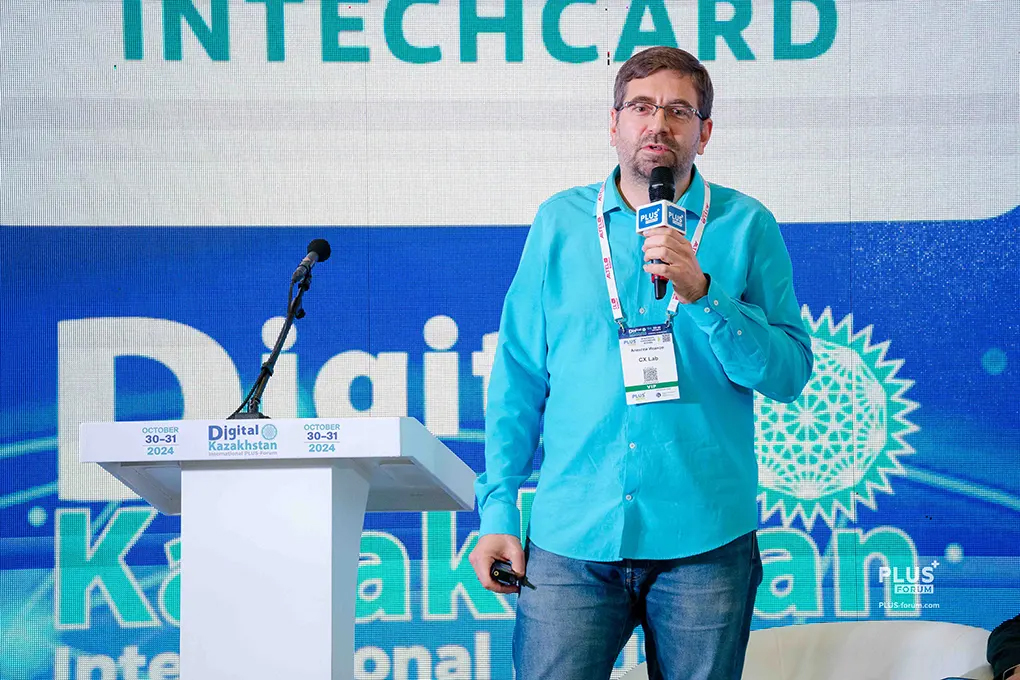
Ildar Skrizhalin, CEO, INTECHCARD, reviewed the development of the customer journey in payments, focusing on the concept of the so-called new tactility.
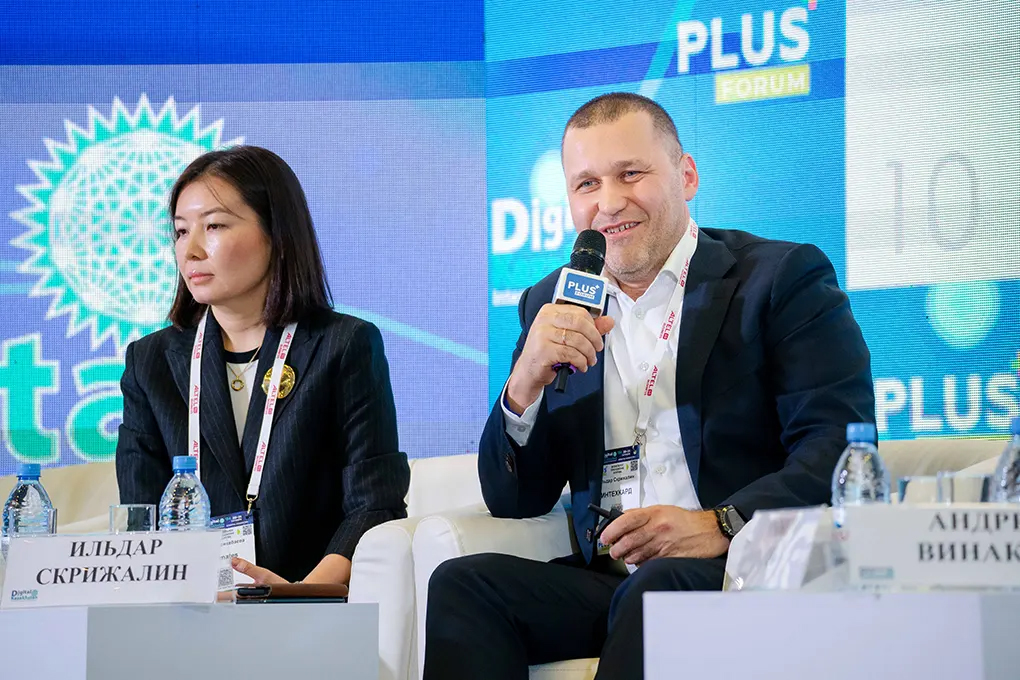
Andrew Lo, Chairman and CEO, EFT Solutions Holdings Limited, spoke about successful ePayment solutions implemented in such an innovative market as Hong Kong.
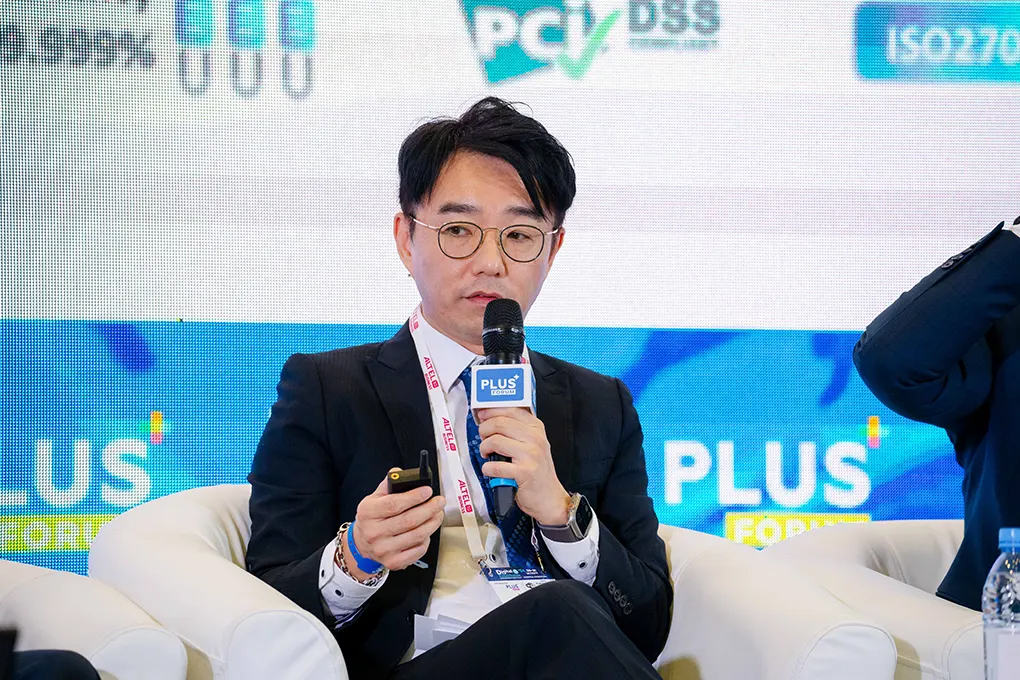
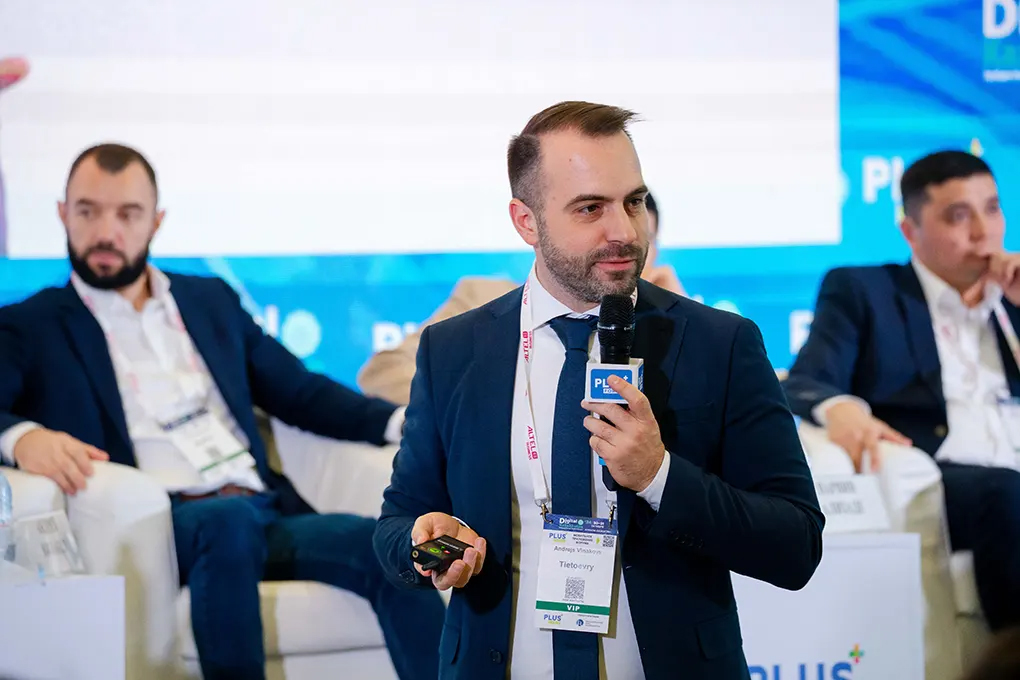
Andrey Vinakov, Lead Product Manager, Tietoevry Banking, spoke about what, in the expert’s opinion, banks need to know and how to prepare for embedded finance. He shared the experience of implementing embedded finance in Latvia, in the car trade and medical services segment, in particular.
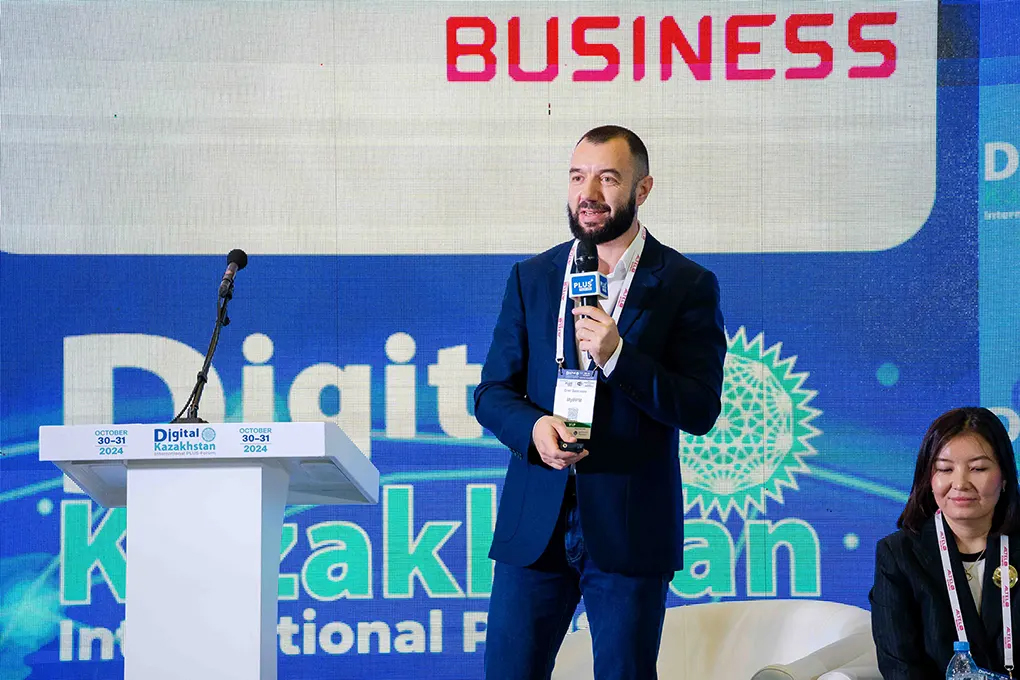
Oleg Bersenev, Founder and CEO, MyBPM, reviewed the experience of digitalization on MyBPM, the Kazakhstani national No-code platform. According to the speaker, most banks have already turned into full-fledged IT companies. He noted that true digitalization is a very resource-intensive task, requiring, among other things, the involvement of a large staff of programmers. Meanwhile, their shortage in the industry will amount, by some estimates, to 4 million specialists in 2025.
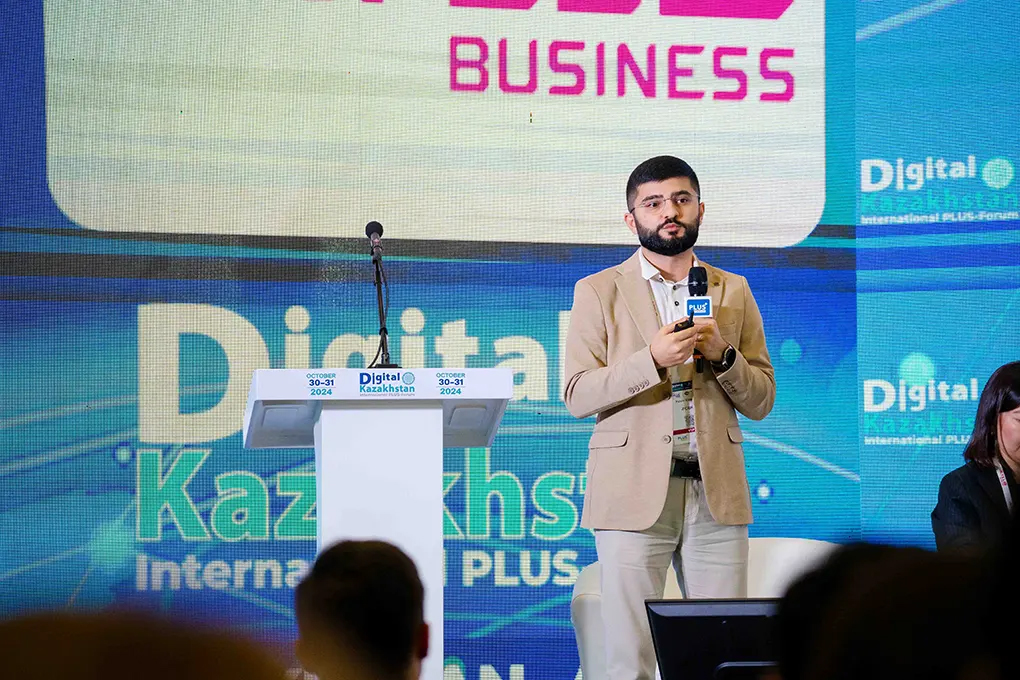
Alizadeh Parvin, Product Development Director, First Credit Bureau of Kazakhstan, analyzed new business opportunities that FCB GovPlatform opens for close interaction between business and the government, as well as further digitalization of public services. Today, with the user base exceeding 6 million, the FCB GovPlatform platform offers more than 30 services to market participants.
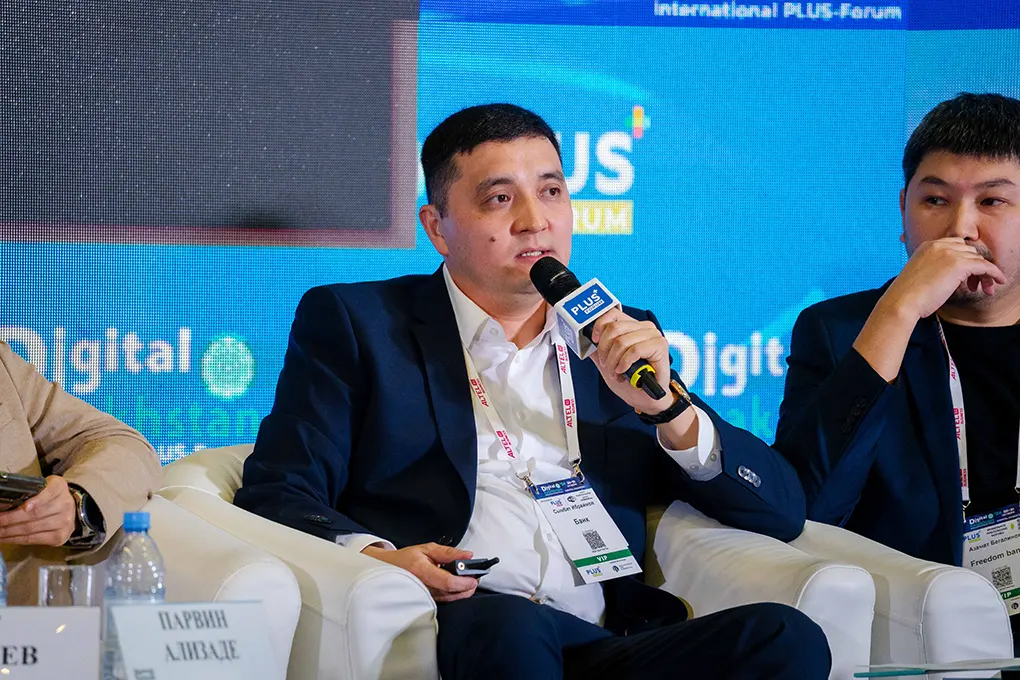
Symbat Ibraimov, Deputy Board Chairman, Bank RBK, one of the top 10 banks in Kazakhstan, discussed how traditional banking helps startups change the fintech landscape of Kazakhstan. He paid special attention to Bank-as-a-Service, emphasizing that almost all the functionality of the Bank RBK application can be integrated into the applications of partner banks, including neobanks. Meanwhile, the total turnover within the framework of the services implemented by the bank under the BaaS model has already exceeded 60 billion tenge and is expected to reach 150 billion in the near future.
Azamat Begalinov, Head of Corporate Lending Development, Freedom Bank, focused on digital solutions for business through the prism of a customer-centric approach. As the speaker noted, there are over 400 thousand legal entities in Kazakhstan, with most of them financed by banks. Accordingly, this market needs new in-demand products. He paid special attention to the Freedom Bank credit product, which offers enterprise lending of up to 100 million tenge and an optimal customer path (the record is 12 minutes from the moment of application to the loan issue).
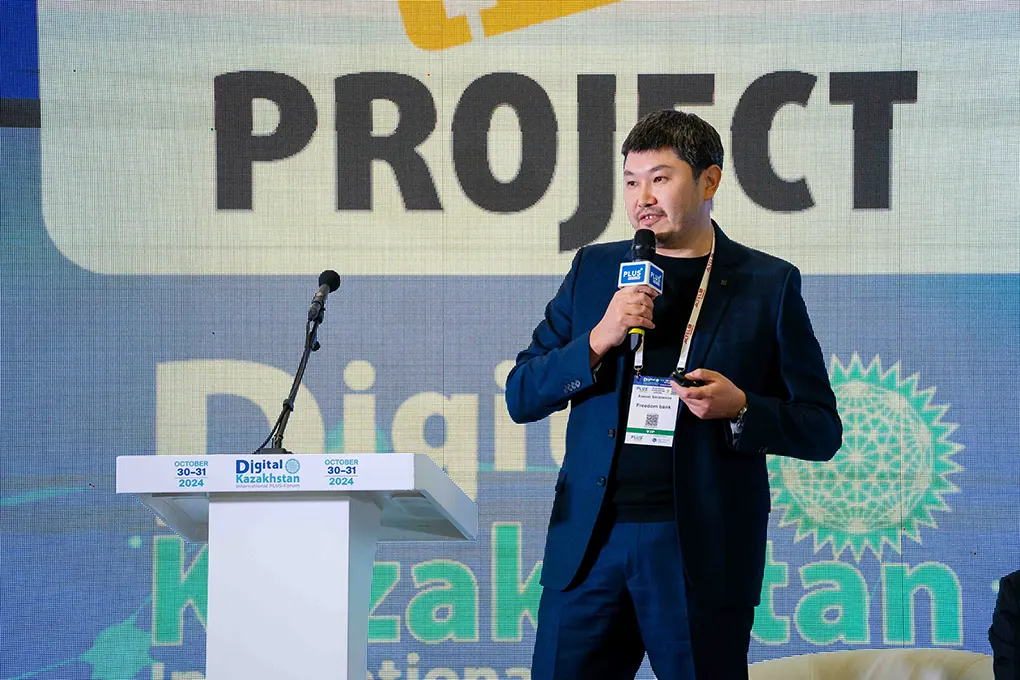
Dilshod Iskhakov, Bank Cards Department Director, Spitamen Bank, Republic of Tajikistan, devoted his presentation to the development and integration of international payment systems, sharing the successful experience of the Republic of Tajikistan in implementing such business cases. According to the speaker, over 8 million bank cards were in issue in the republic as of beginning of the second half of the year. The speaker paid special attention to the implementation of a single QR code for payments in Tajikistan, as well as the growth of the POS terminal network, including that within the framework of the joint project with the Tax Committee.
Financial services of the digitalization era. Non-financial players in the financial sector. Embedded Finance
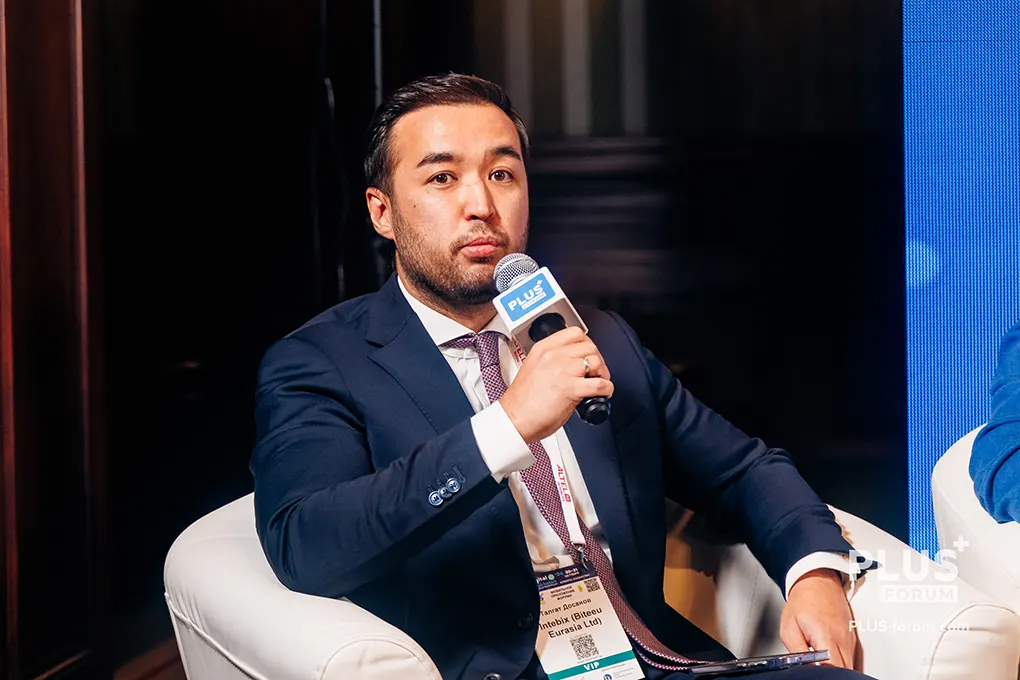
The round table “Crypto industry, digital currencies and digital assets 2024. Current state. Main trends. Development scenarios” was moderated by Talgat Dosanov, CEO, Intebix.
Philipp Larin, Vice President, International Payment Alliance, described the prospects for digital assets to be used in settlements of cross-border transactions in international trade. He emphasized the importance of a hybrid approach that combines various methods, such as payments via SWIFT, local payment systems, the use of CBDCs and stablecoins. The speaker also highlighted the problem of slow implementation of non-state digital currencies and the need for cooperation among market participants to improve the payment infrastructure.
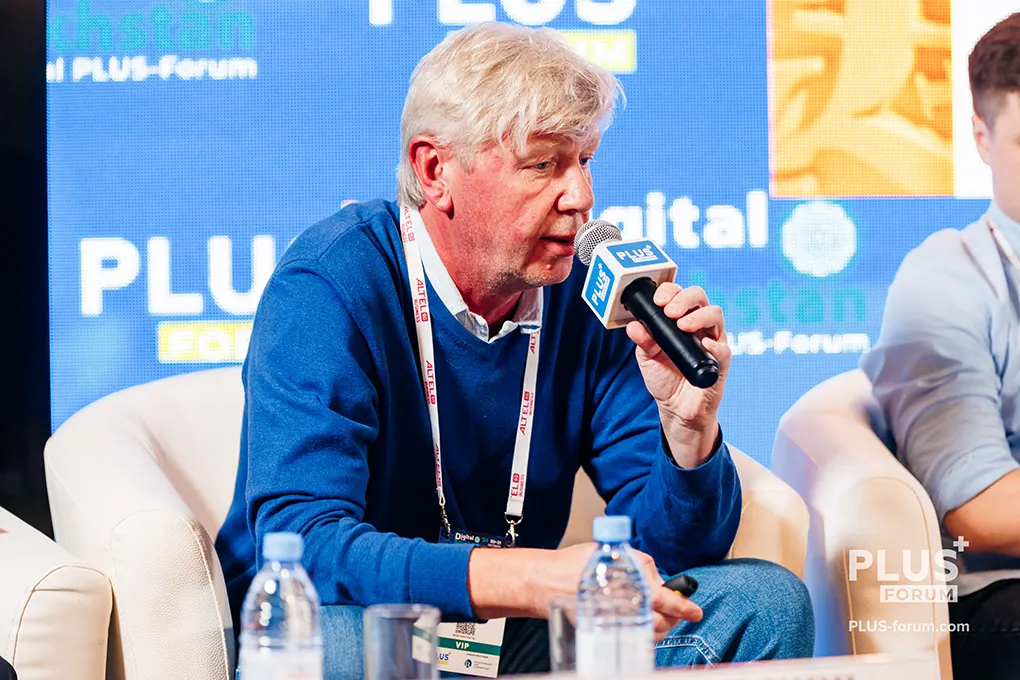
Maria Bolobonova, lawyer, Member of the Expert Council of the State Duma of the Russian Federation on the legislative regulation of cryptocurrencies, noted that more than 60 banks have invested in blockchain projects since 2016, with preference given to infrastructure projects rather than direct investments in cryptocurrencies. The speaker highlighted the growing role of blockchain technologies in the traditional financial sector. Tokenization of real-world assets is becoming an important trend, she said.
Svyatoslav Garal, Global Head of Payments, Wirex, said that the cryptocurrency industry had entered a new stage of stabilization after the “burst of bubbles,” which boost the growth of technology and the emergence of uniform regulatory standards. In his opinion, the crypto industry can reach a capitalization of a quarter of the gold market.
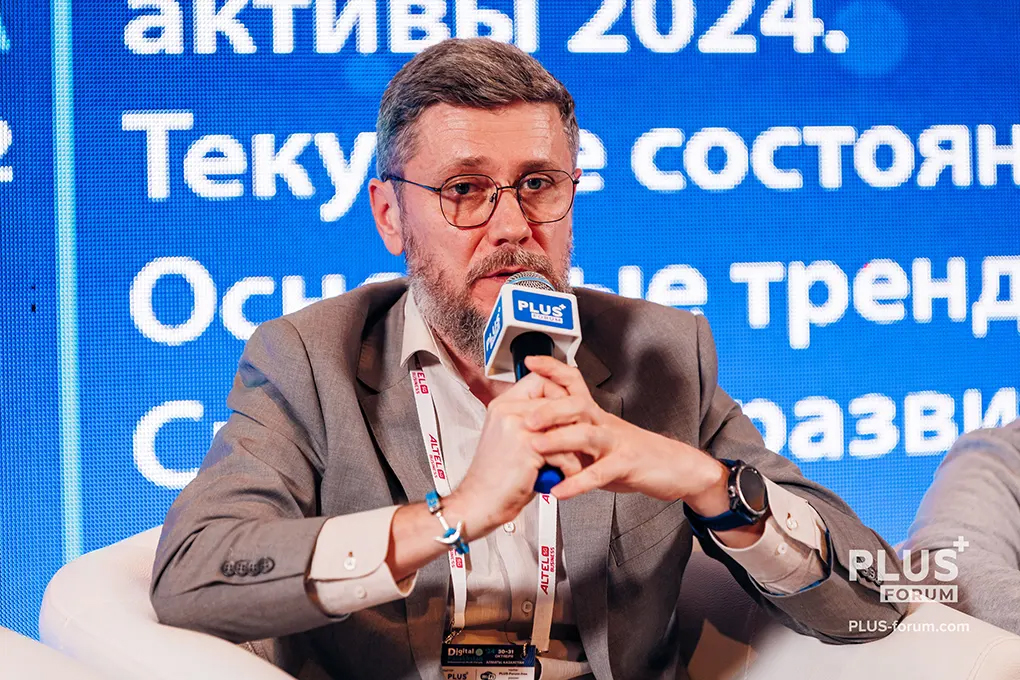
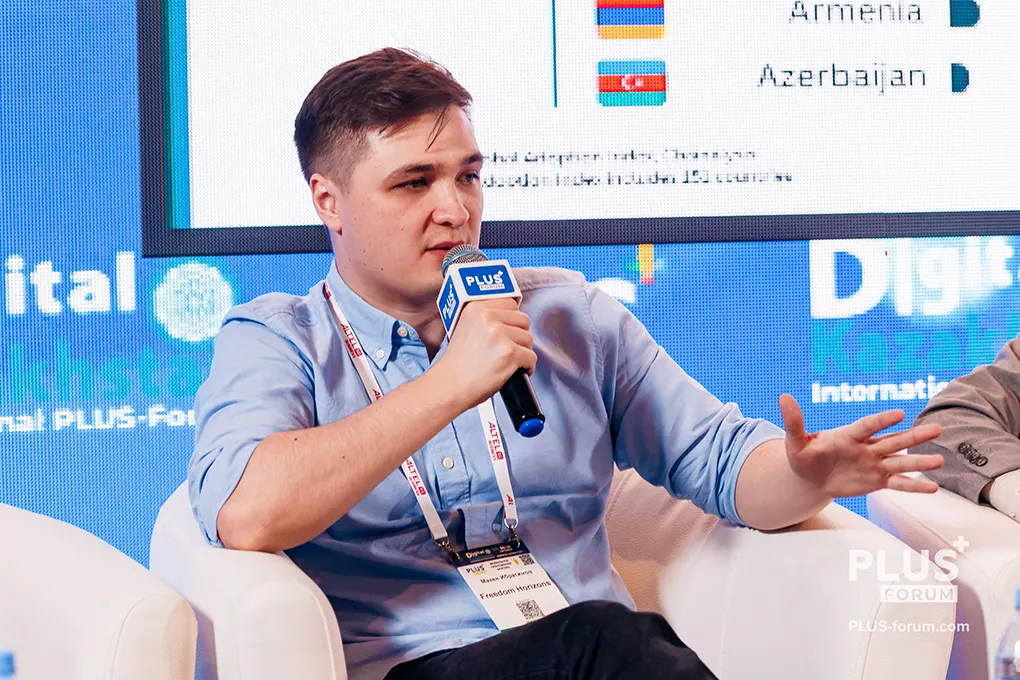
Head of Corporate Innovation Maken Ibragimov and Chief Fintech Officer Bekzhan Mutanov, Freedom Horizons, focused on the Kazakh approach to regulating cryptocurrencies. Both the precedent and classified approaches are used in the Kazakh market, and the key task is to create a bridge between them.
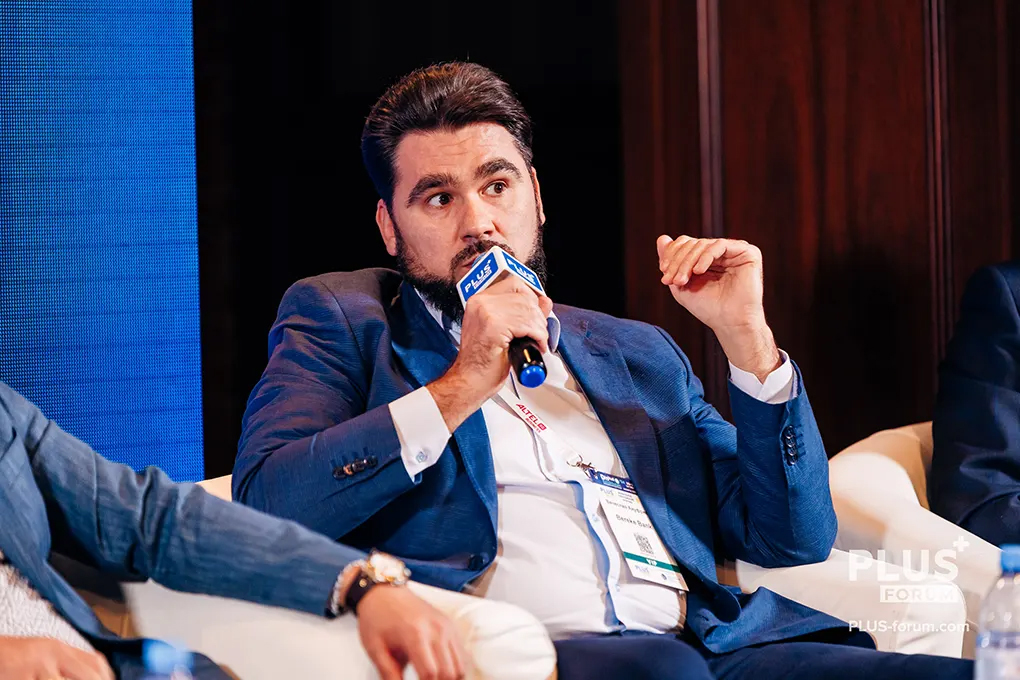
Viacheslav Anufriev, Head of Digital Assets, Bereke Bank, emphasized that their bank is “crypto-friendly” and actively deals with digital assets. He stressed the need for a clearer regulatory system to simplify the crypto market operations.
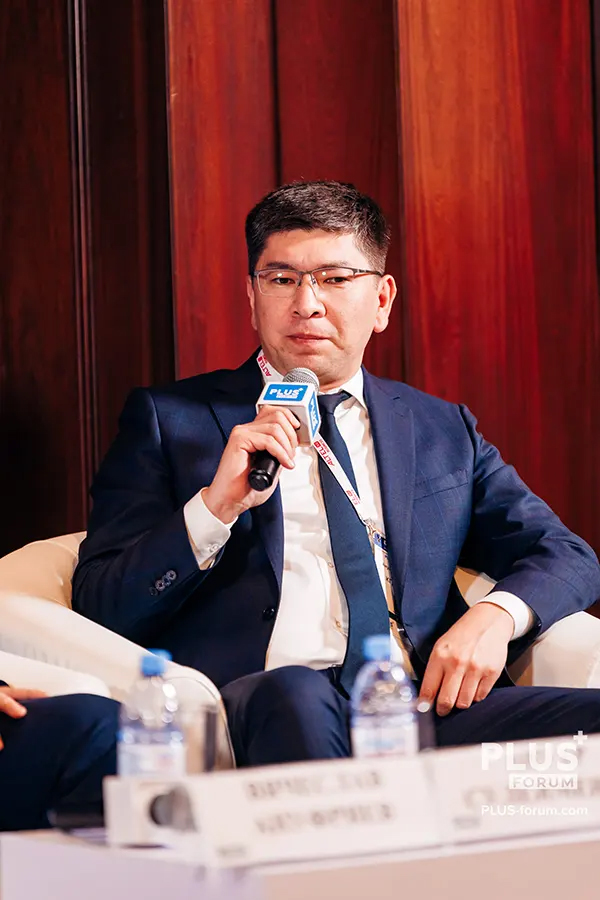
Anuar Suleimenov, Deputy Chairman of the State Revenue Committee under the Ministry of Finance of the Republic of Kazakhstan, highlighted the difficulties in interpreting tax regulations for cryptocurrencies and the readiness to create accounting and reporting services.
In general, the session participants emphasized the high potential of the cryptocurrency market and the need for cooperation in the development of a secure and fair regulatory environment.
Batyrbek Umarov, President of the Association of Blockchain Technology Developers and Users, BlockchainKZ, and Gani Uzbekov, Founder and CEO, S1LKPAY, were among the active panelists as well.
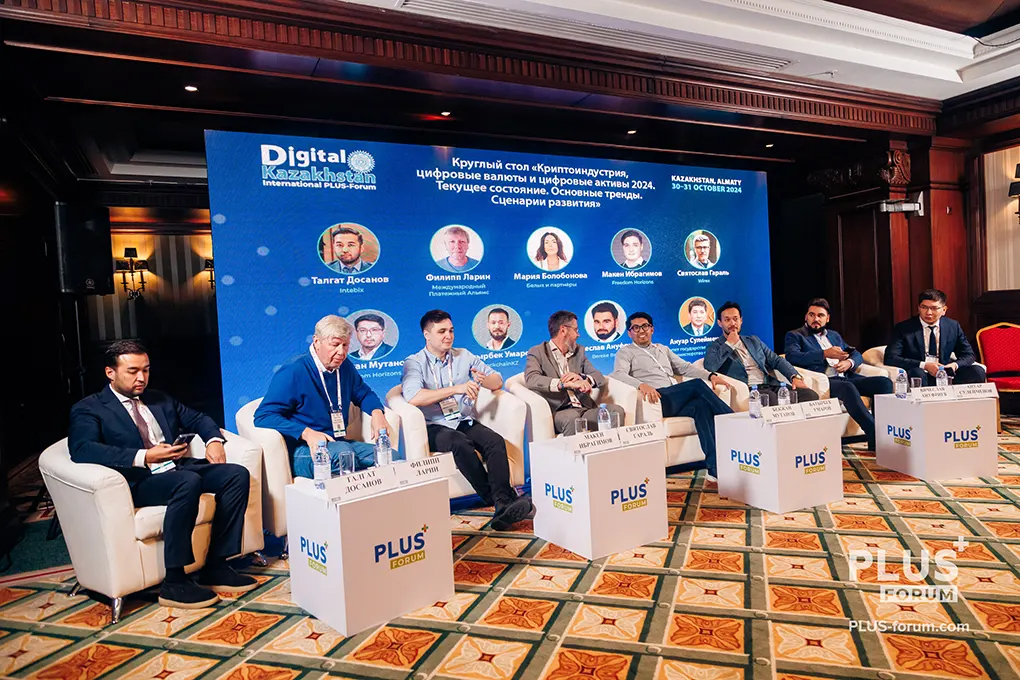
The crypto industry, digital currencies and digital assets 2024. Current status. The main trends. Development scenarios
The session “Cybersecurity of banking and payments business. Social engineering. Cyber-threats and other challenges” was moderated by Damir Erkin, Head of Cyber Security at KPMG Caucasus and Central Asia.
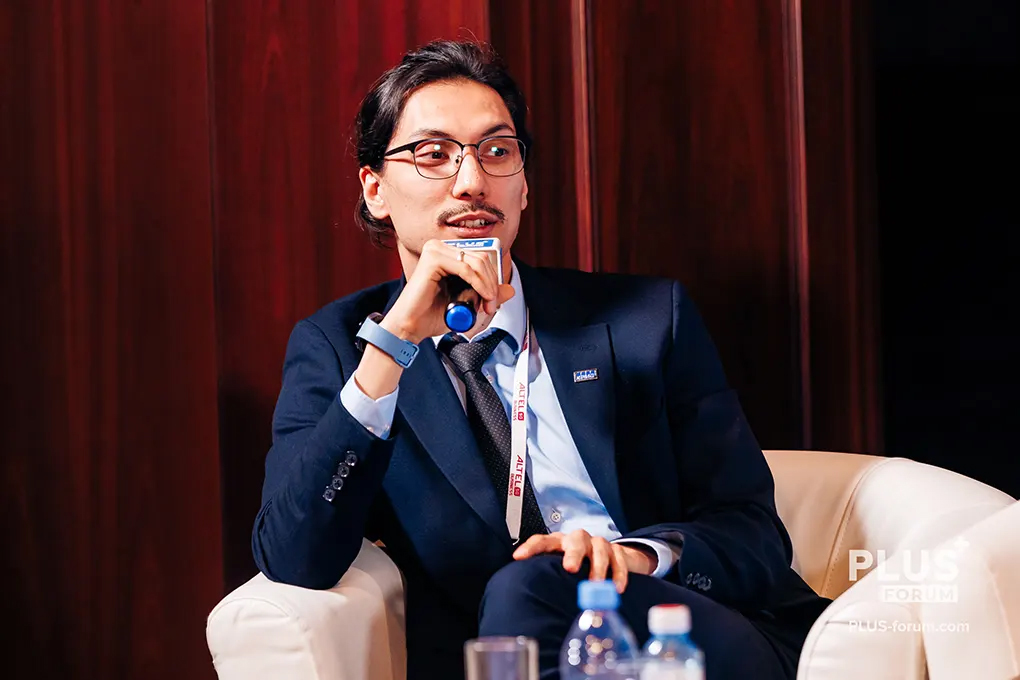
Alexander Pushkin, Head of Security Operation Center (SOC), PS Cloud Services, made a report titled “Entame your cloud: What paves the entrepreneur's road to PCI DSS?”, where he recited the difficulties in ensuring the PCI DSS compliance and related costs. The speaker emphasized that such compliance requires significant efforts to manage vulnerabilities, segment the network and conform with privacy policies, as well as resource- and time-consuming training of employees.
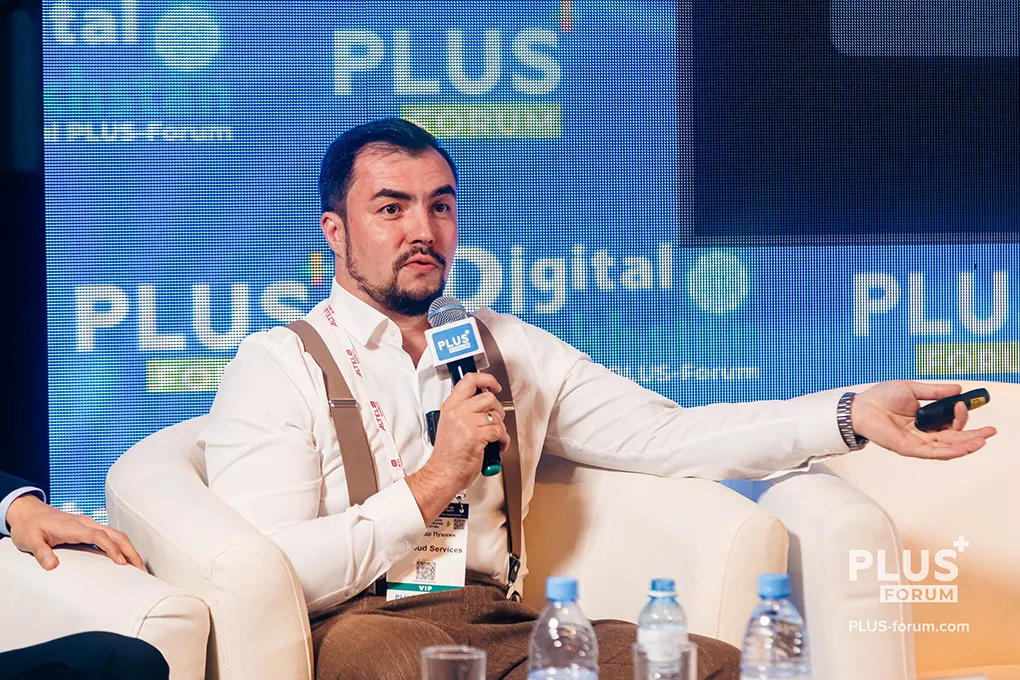
Arman Assakayev, Advisor to CEO on artificial intelligence, National Payment Corporation of the National Bank of the Republic of Kazakhstan, reported on “Privacy Enhancement Technologies. Help for artificial intelligence in the financial market”. The speaker noted two main risks when using AI to process bank clients' data, namely compromise of the latter and disclosure of banking secrecy. To prevent such risks, a number of fairly effective technologies are used, including the use of synthesized data instead of real data.
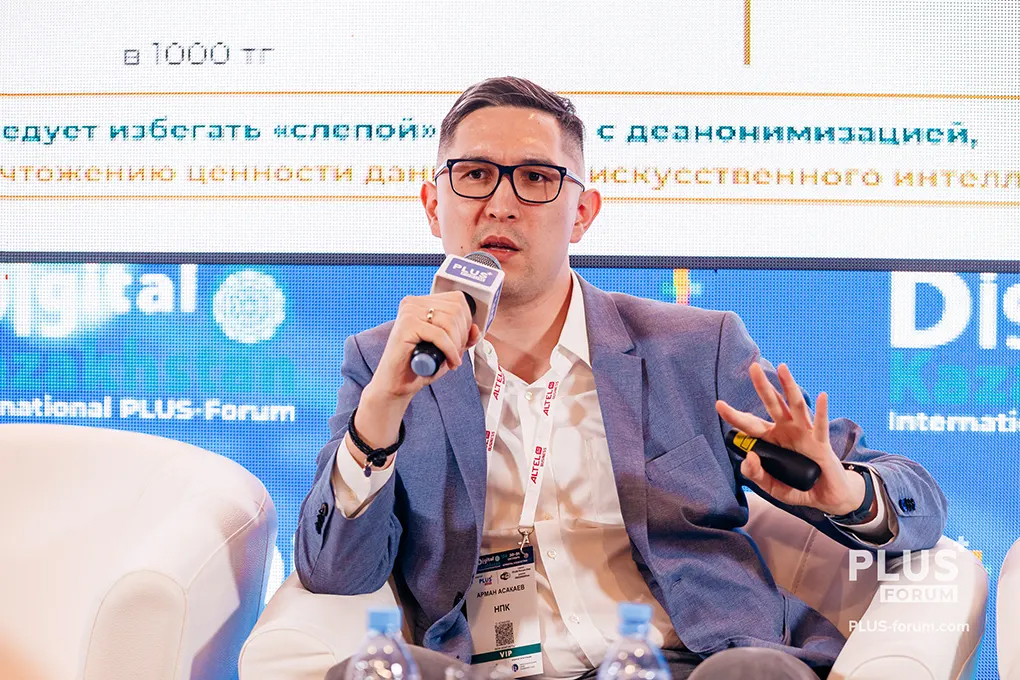
Aigerim Garifullina, Business Development Director, Mastercard Security Solutions, made a report titled “Ticket to Earth: the price of trust in the digital age”, where she touched upon the problem of social engineering and its impact on data security. The expert noted that social engineering today is one of the largest criminal industries in the world. Its volume is comparable to half of the income of all retail banks, with the human factor accounting for 95% of all data leaks.
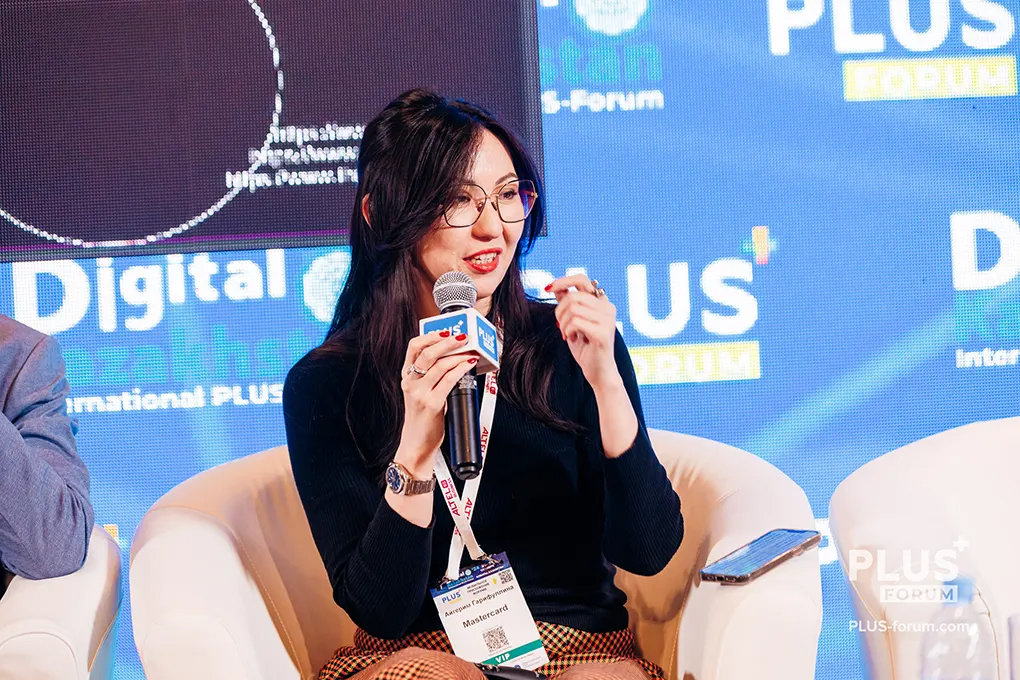
Profitability-wise, cybercrime is rapidly outpacing the illegal drug trade, and compromising personal data significantly increases the risk of becoming a victim of fraudsters, the speaker said.
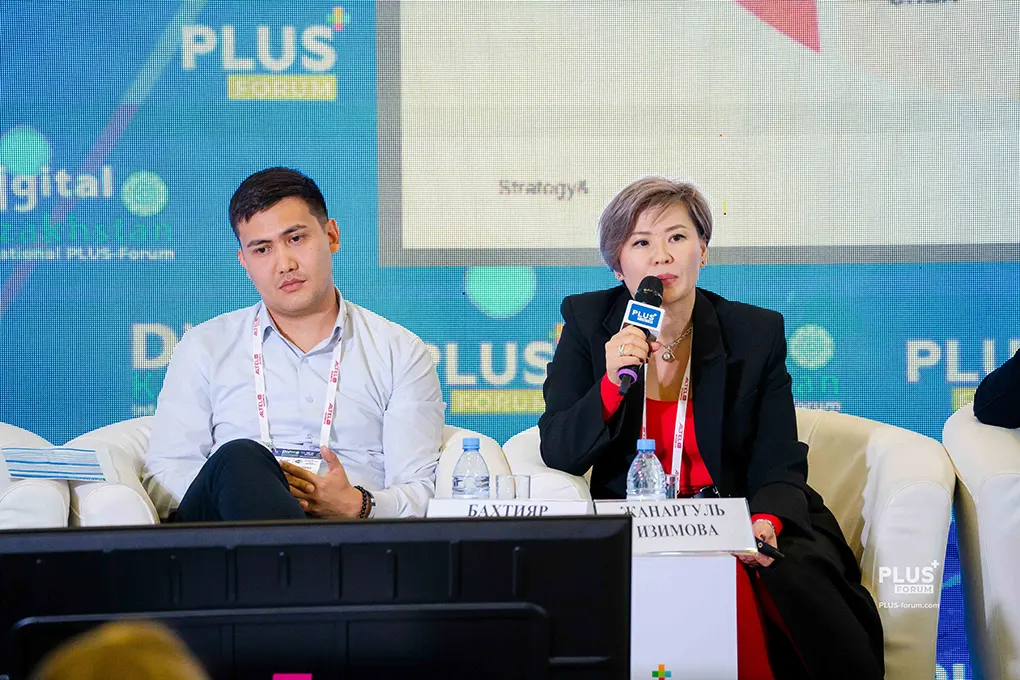
Artificial intelligence plays a special role in customer service and remote banking. That was a conclusion made by the participants of the session “Transformation of communications. Artificial intelligence in customer service and remote banking. From remote identification to risk scoring”. The session was moderated by Bakhtiyar Asaubaev, Head of Remote Sales and Customer Experience, Small and Micro Business Division, Bereke Bank.
Zhanargul Izimova, FI Digital Transformation Practice Leader, Strategy&, part of PwC, reviewed aspects of AI user maturity. Speaking about the key areas of AI application in the corporate environment, the speaker noted that company management is faced with the need to systematize and synchronize activities that involve AI. The implementation of technologies includes innovations, product improvement, customer support and financial planning.
Kornelijus Šišla, CIS Regional Account Executive, NCR ATLEOS, dedicated his report to the transformation of everyday banking and informed about the role of intelligent ATMs in the full cycle of self-service in the era of digitalization.
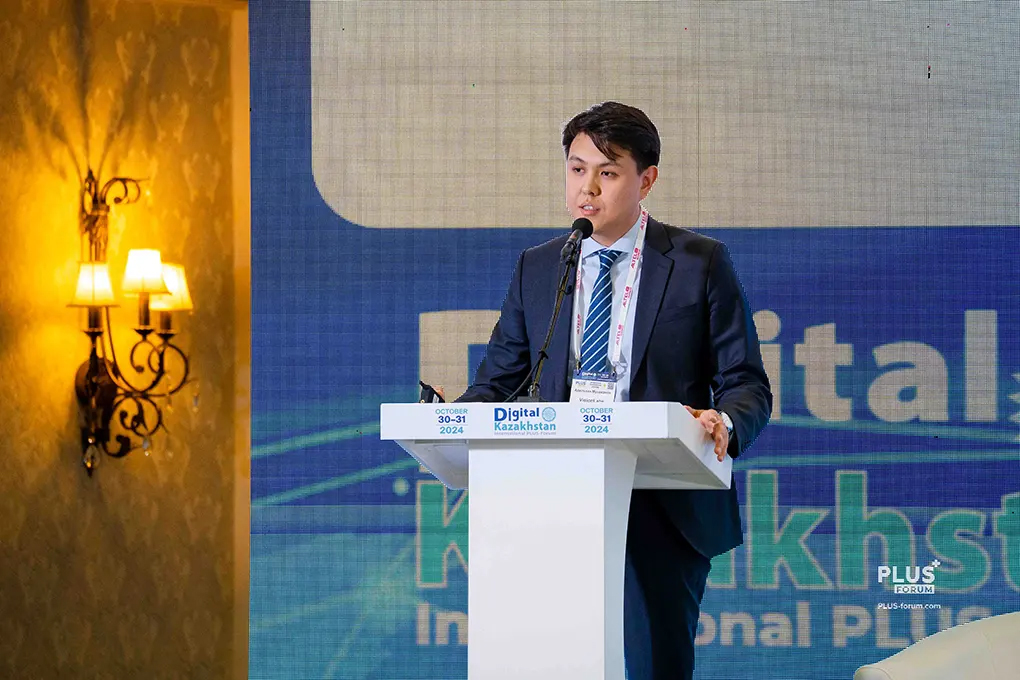
Adilkhan Mukazhanov, Regional Head of Projects, VisionLabs in Kazakhstan, noted that 31% of the republic's financial market participants use AI in their activities today, with the highest activity observed among second-tier banks, where the implementation rate reaches 60%. The main areas of AI use include customer support (16%), risk management and compliance (14%), as well as marketing and operations (11% each).
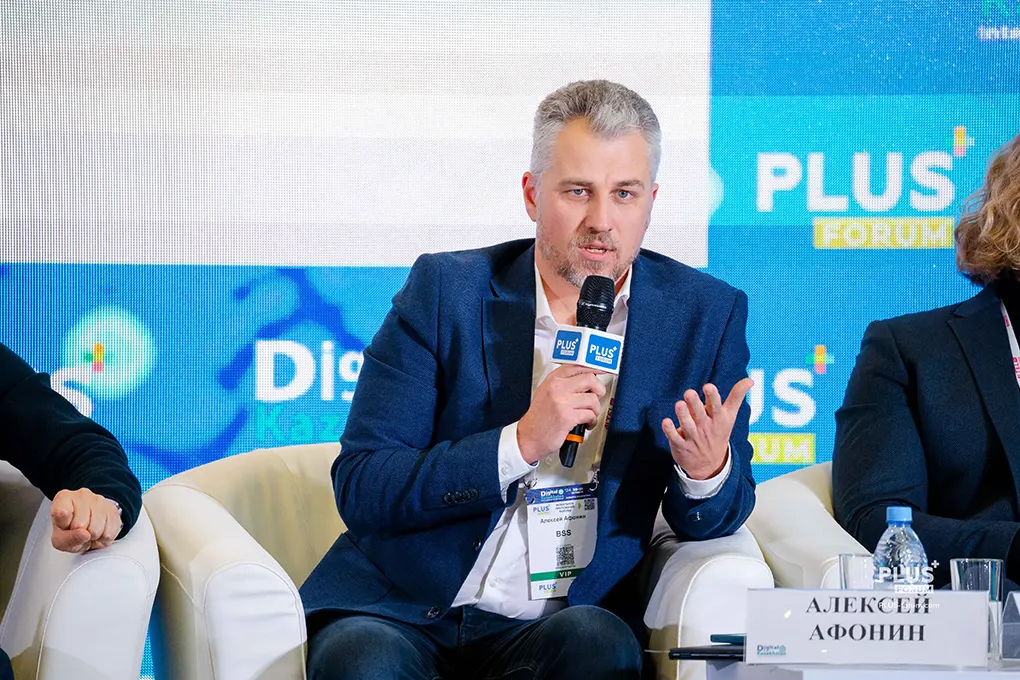
Product Development Director Aleksey Afonin and Production Center Director Evgeny Ponomarev, BSS, unveiled key trends and prospects for the development of artificial intelligence in Kazakhstan. They noted that government support and the national AI development strategy until 2030 emphasize the importance of these technologies for the country. The speakers said that customer experience personalization and data analysis for forecasting hold a special place among the AI application scenarios in Kazakhstan. Thus, 40% of major retail chains have implemented algorithms for personalizing offers to customers, which allowed a sales increase by 40%.
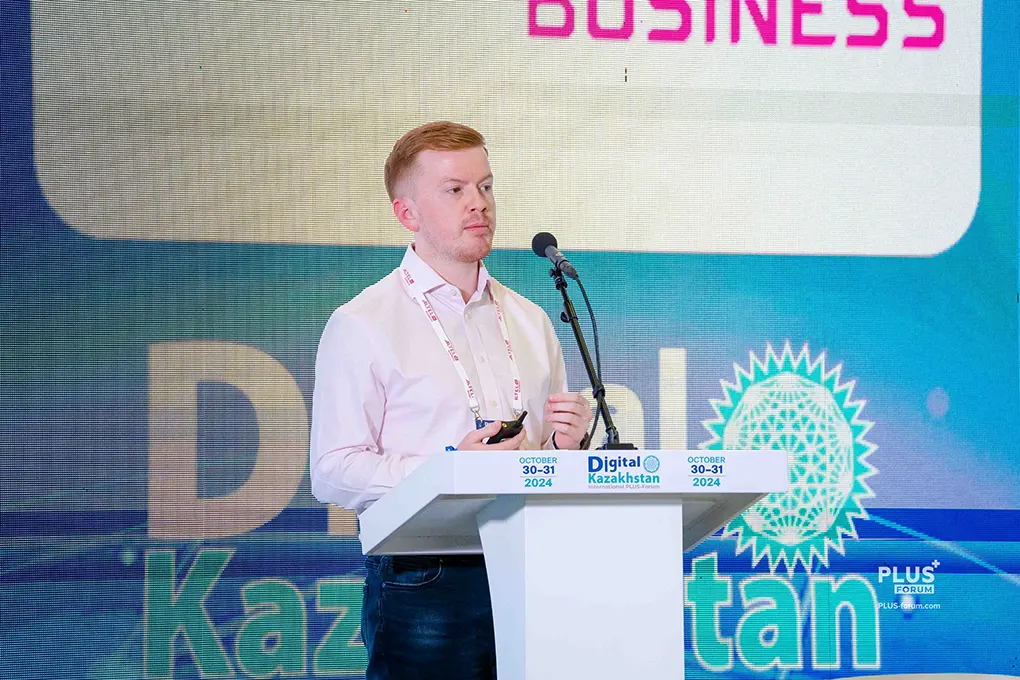
Dan Marsh, Lead, Global Digital Banking Hub KPMG, reported on “The power of AI empathy and self-service banking”.
Rafael Valeev, Managing Director for Technology Development, Bereke Bank, spoke about the effectiveness of technological transformation. He spoke in detail about the practices and tools used in the financial sector.
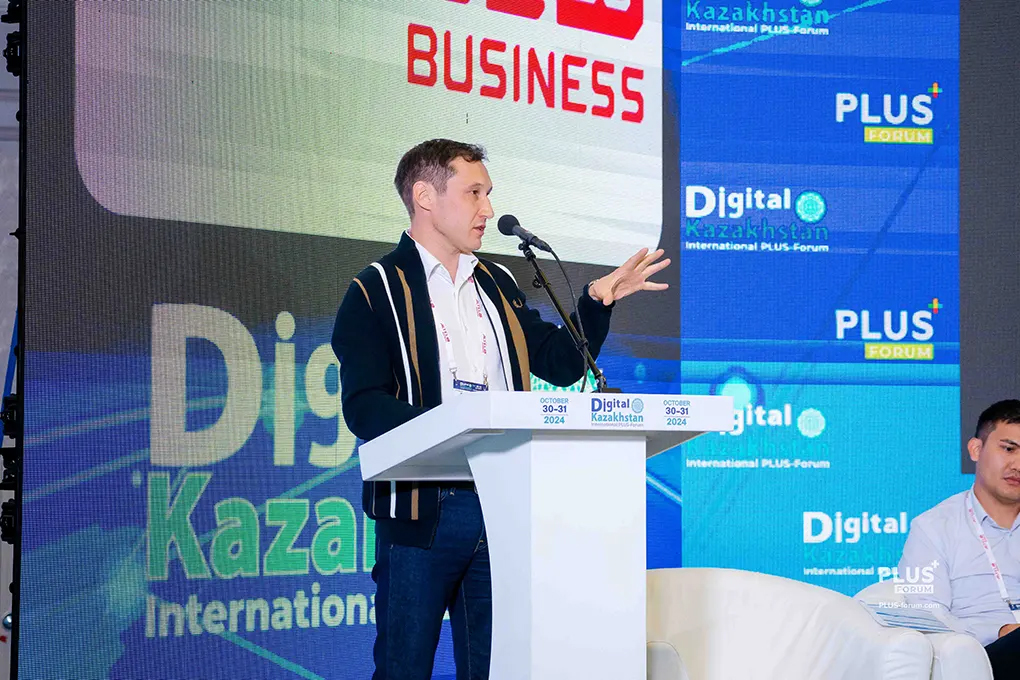
Talgat Amanbayev, Chief Innovation Officer, AIFC Authority, spoke about the risks of AI-based scoring.
Evgeniy Nezhdanov, Deputy Director of Competence Center, Digital Economy, unveiled new opportunities for using artificial intelligence in fintech.
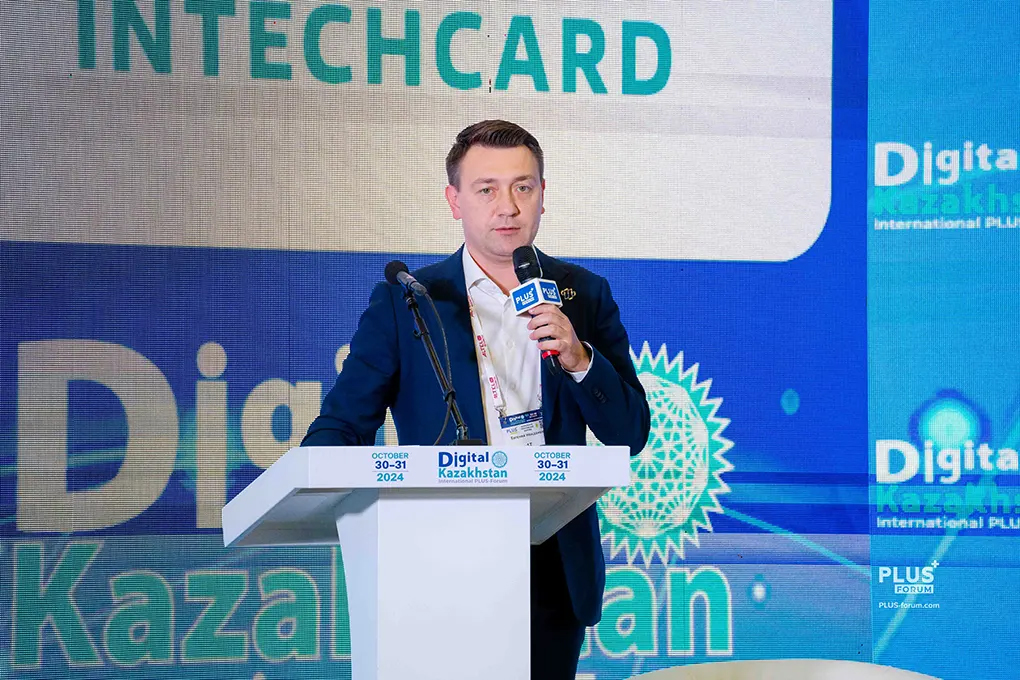
In general, the speakers agreed that artificial intelligence has recently played a special part in customer service and remote banking.
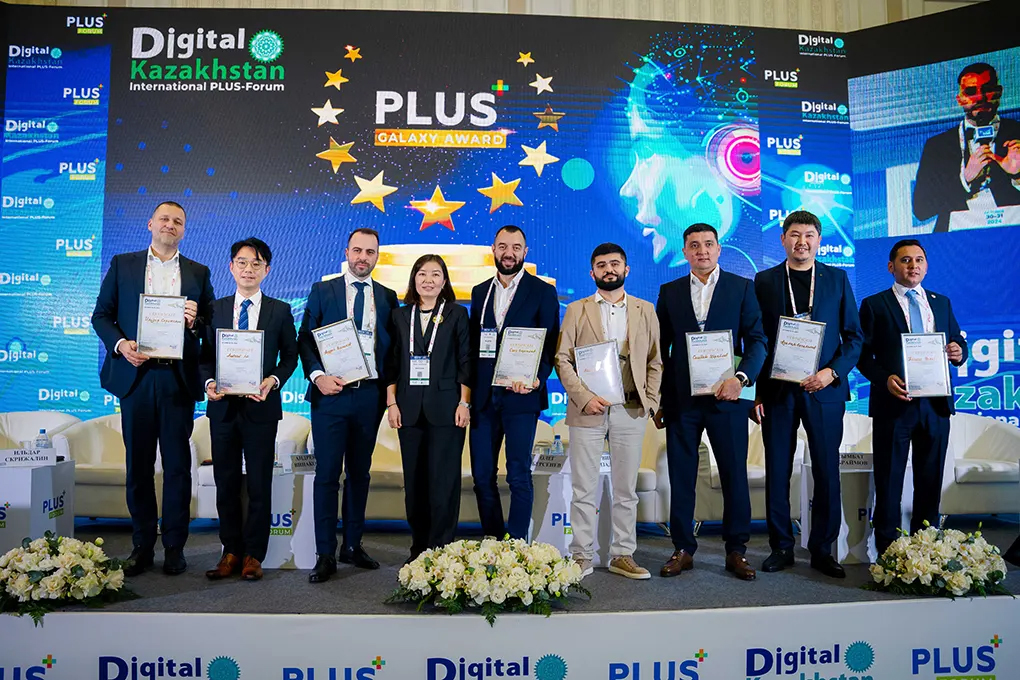
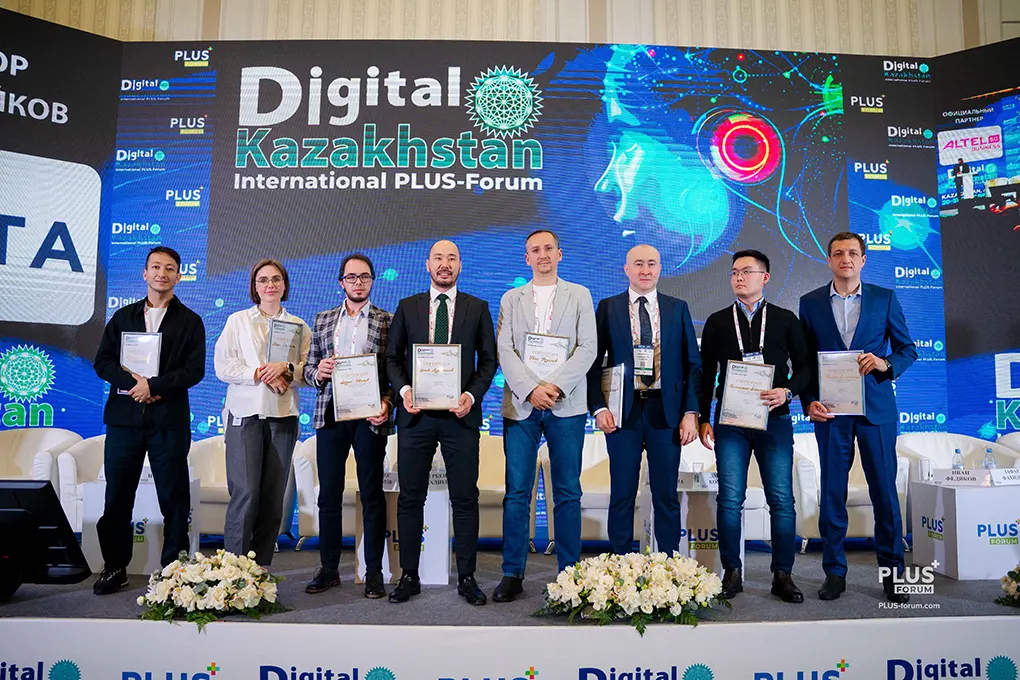
A ceremony of awarding the laureates of the PLUS Galaxy Award Almaty 2024 was a grand finale of the first day of the Forum.
Special prizes from the Award Organizing Committee were awarded to the following winners.
In the category “Best Publication of the PLUS Portal”:
· Sodir Melibayev, Deputy Chairman of the Central Bank of the Republic of Uzbekistan - Board Member;
· Aidos Zhumagulov, Advisor to Board Chairman, Freedom Bank;
· Olzhas Satiyev, President of TSARKA.
In the category “For the successful promotion and development of PLUS Group information channels for Central Asian countries”:
· Oksana Malosabirova, Editor-in-Chief, FinTech & Retail Central Asia.
In the category “The Most Active Expert", the incentive prize winners are the following experts:
· Sherzod Tuyboev, Deputy Head, ORIENT FINANCE BANK;
· Alexey Ivanov, Founder and CEO, Customer Experience Lab;
· Vitaly Kopysov, Director for Innovations, Sinara Bank.
The first day ended with a standing dinner of the delegates of the International PLUS-Forum Digital Kazakhstan in the Brasserie restaurant of the Rixos Hotel Almaty. The evening programme included the digital show Pixelman. The headliner of the evening was the POPCORN BAND, one of the most popular cover bands in the country.
Day Two
On October 31, the second day of the International PLUS-Forum “Digital Kazakhstan”, one of the largest cross-industry platforms in Central Asia, experts continued discussing issues of interaction of government agencies, the banking sector and retail, advance in the international cooperation in the field of banking and financial technologies, as well as the roll-out of new promising projects.
The second day of the PLUS Forum was also marked by the signing of a number of important agreements that will have an impact on the further development of the market.
Thus, a memorandum of cooperation was signed by the management representatives of the PLUS Group and the Central Asian Fintech Association,
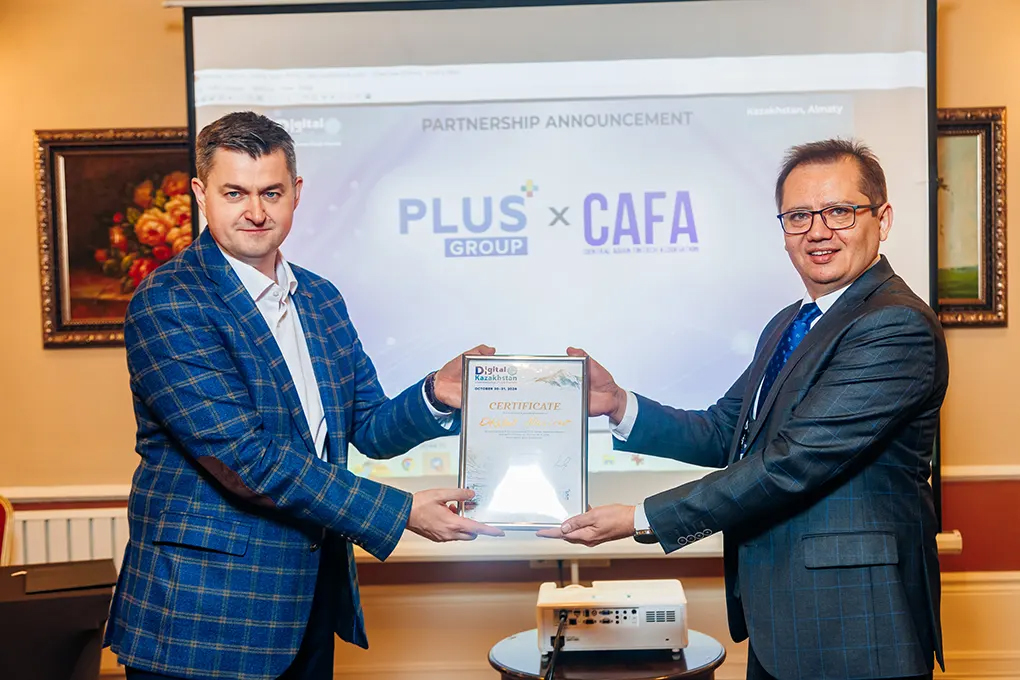
PLUS Group и Central Asian Fintech Association
a similar agreement was concluded by and between the PLUS Group and the Association of Payment Organizations of Kazakhstan.

PLUS Group and the Association of Payment Organizations of Kazakhstan
In turn, the Central Asian Fintech Association signed cooperation agreements with Andersen and Freedom Pay.
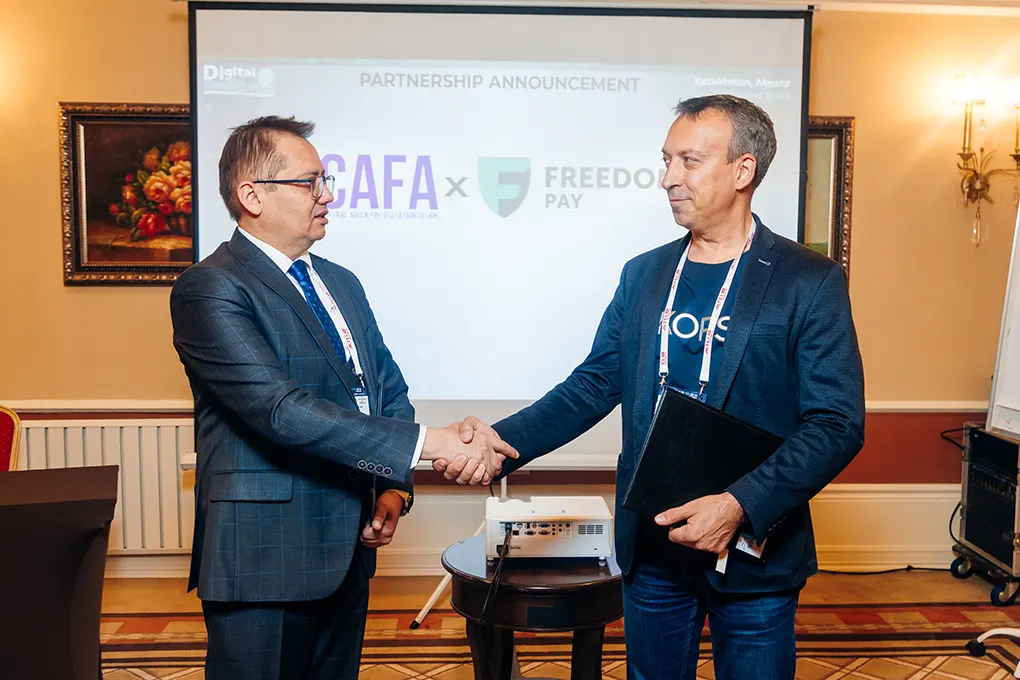
Andersen и Freedom Pay
When opening the conference programme of the second day, Chairman of the PLUS-Forum Steering Committee Alexander Grizov addressed the audience of delegates and speakers.
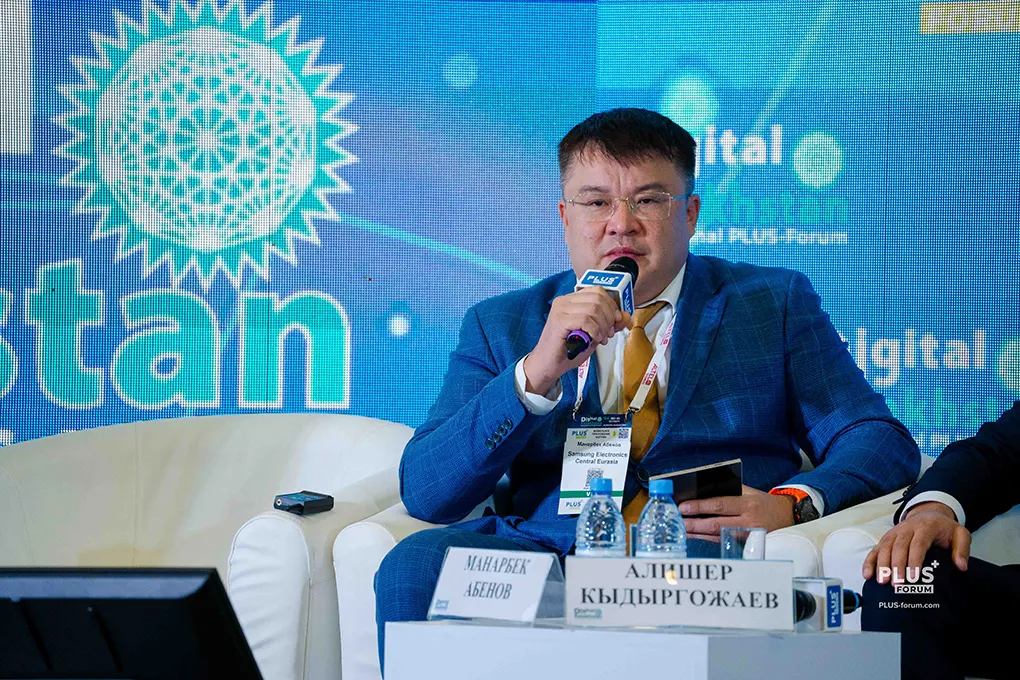
The conference resumed discussions with the session titled “Digital sales of cars. An area of further digitalization of the market of Kazakhstan”. The session was moderated by Manarbek Abenov, Project Manager for Samsung Wallet (Pay), Samsung Electronics Central Eurasia.
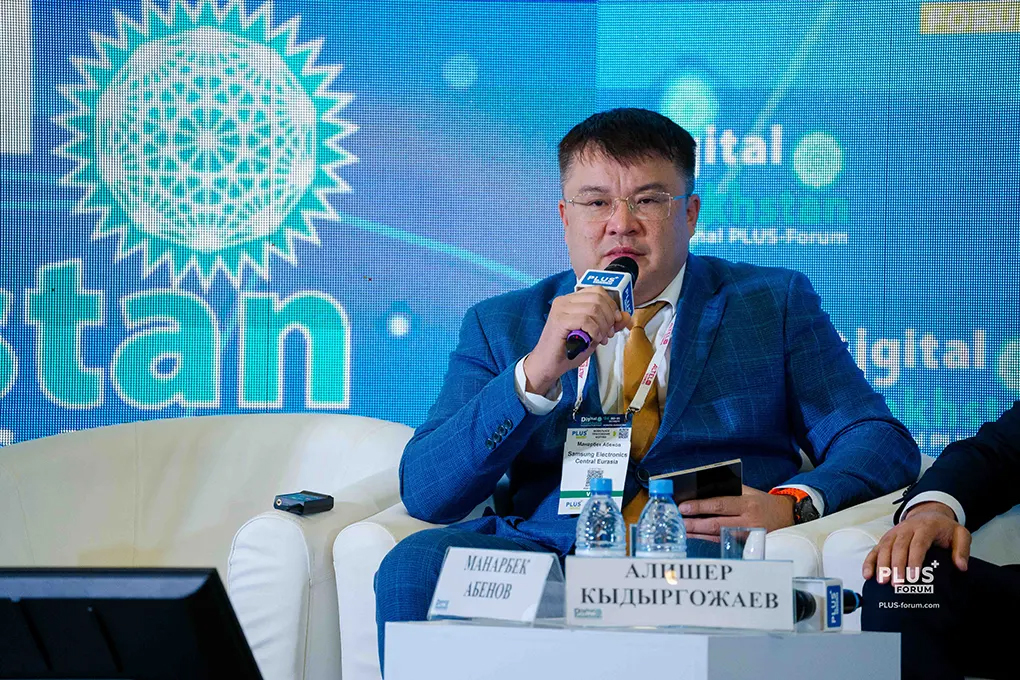
Alisher Kydyrgozhayev, Director for Digital Sales Development, Astana Motors, spoke about the experience in preparing for the transition to online auto lending.

The dialogue focused on simplifying the online and offline customer journey. Simplification of the customer journey to the maximum extent is one of the key areas of digitalization in automobile lending. Online platforms should offer users the most intuitive and convenient interfaces so that they can easily go through all the stages - from choosing a car to the loan arrangements.
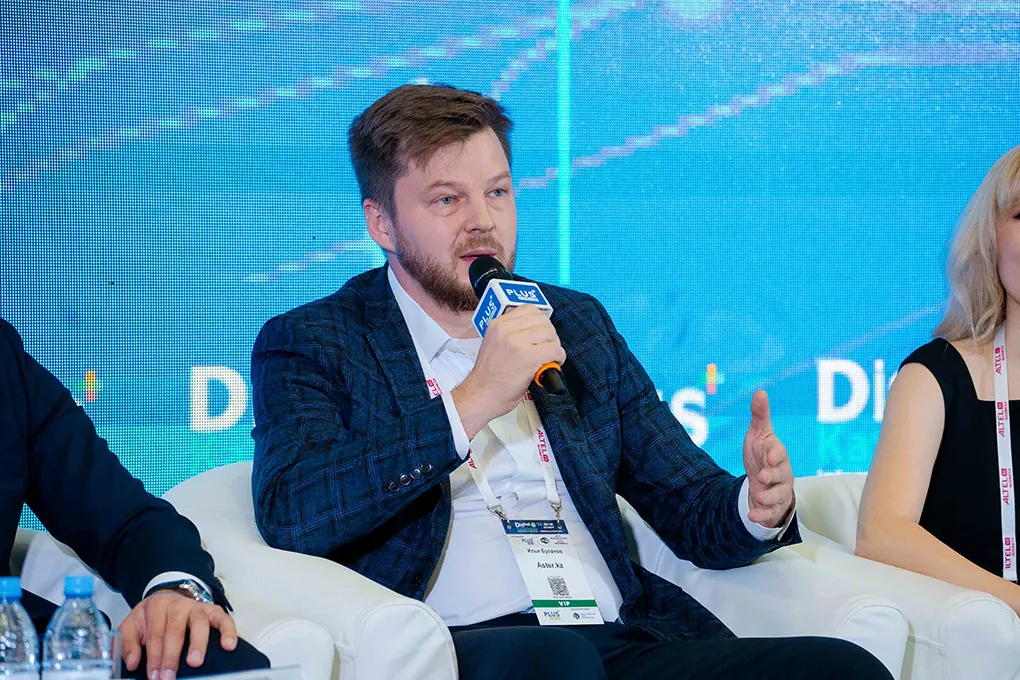
Ilya Bulanov, CEO, aster.kz, touched on the use of digital IDs and biometrics to identify clients, which not only simplifies the application process, but also speeds up decision-making.
Anara Nurzhanova, CEO, Allur Finance, shared her experience in auto lending in Kazakhstan.
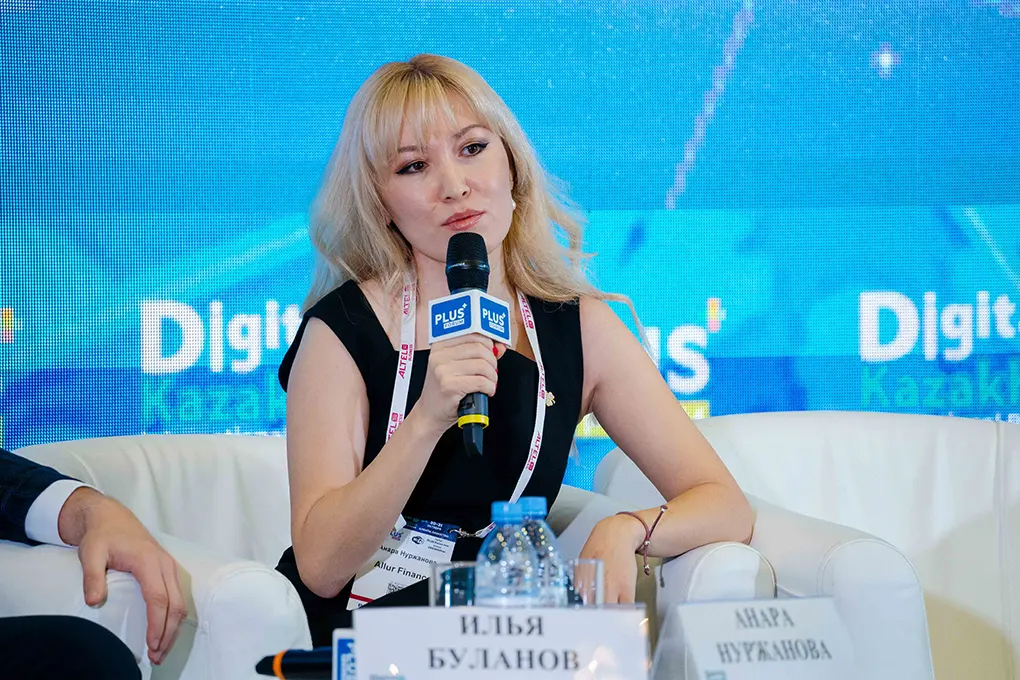
The speakers discussed the strengths and weaknesses of launching subsidized products for the automotive market and commented on changes in banking legislation in 2024. The panelists noted that changes in banking laws aimed at combating excessive indebtedness of the population on the part of regulators form an important aspect for the car loan market digitalization.
Participants in the session “Business cases of banks and fintech. Experience of a Kazakhstani fintech startup. Tasks solved by ATM networks” shared their practices of implementing specific projects and their assessments of the success thereof. The session was moderated by Alexey Ivanov, Founder and CEO, Customer Experience Laboratory (Russia/Uzbekistan).
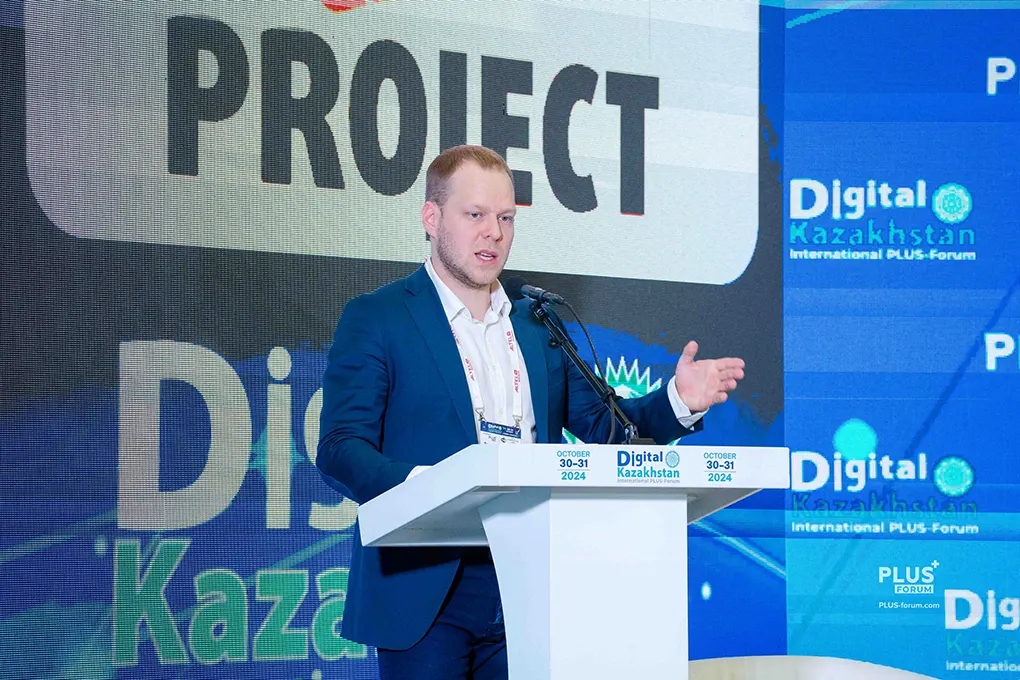
Vassily Prokopiev, Product Owner, SKB Kontur, and Dmitriy Zhilin, Vice President for SME Development, Bank CenterCredit, shared their vision of how to take into account sanctions risks and new rules of the game in the foreign economic activity. As Dmitry Zhilin noted, SMEs today need no accountant or accounting department for invoicing a counterparty – a modern bank powered with innovative IT solutions is ready to take on this task.
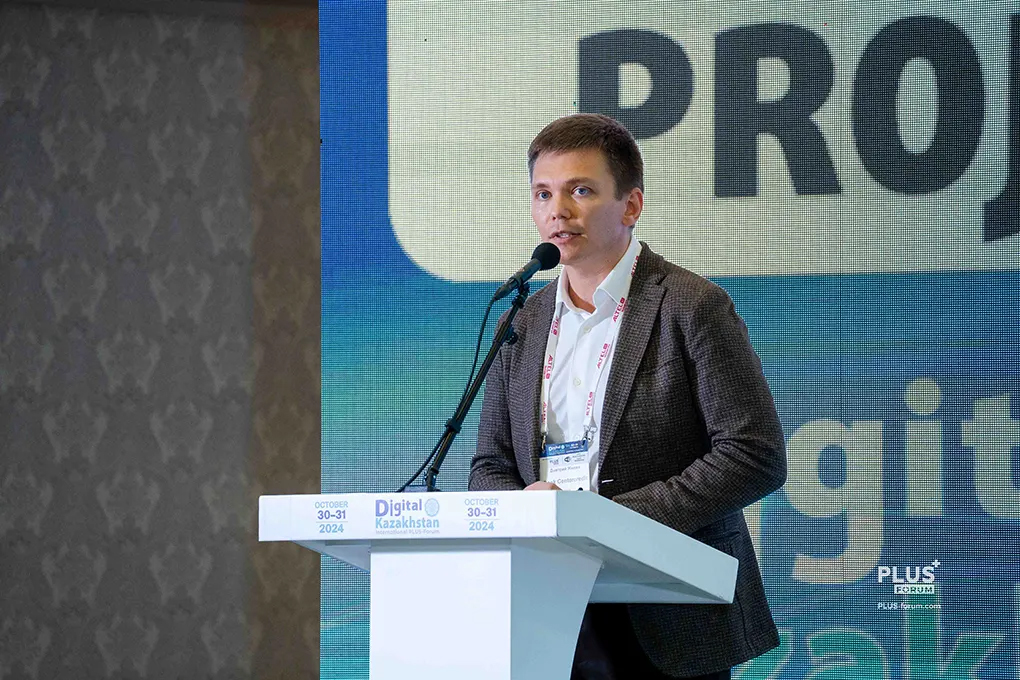
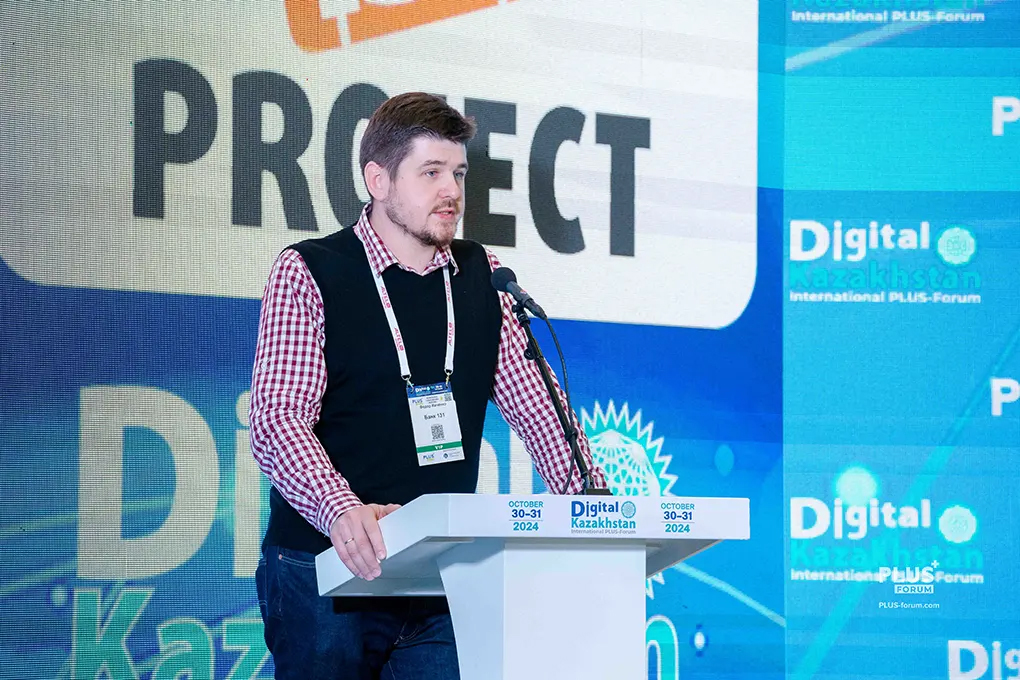
In his report, Fedor Ivchenko, Head of Money Transfers Development, Bank 131, emphasized the key role of fintech in the development of the global gaming industry, especially in the mobile gaming segment. According to him, with a volume of $90.5 billion, mobile games account for about 50% of the global video game market. The popularity of payment methods varies by country: while bank cards prevail in the USA, Great Britain and Singapore, e-wallets dominate in China.
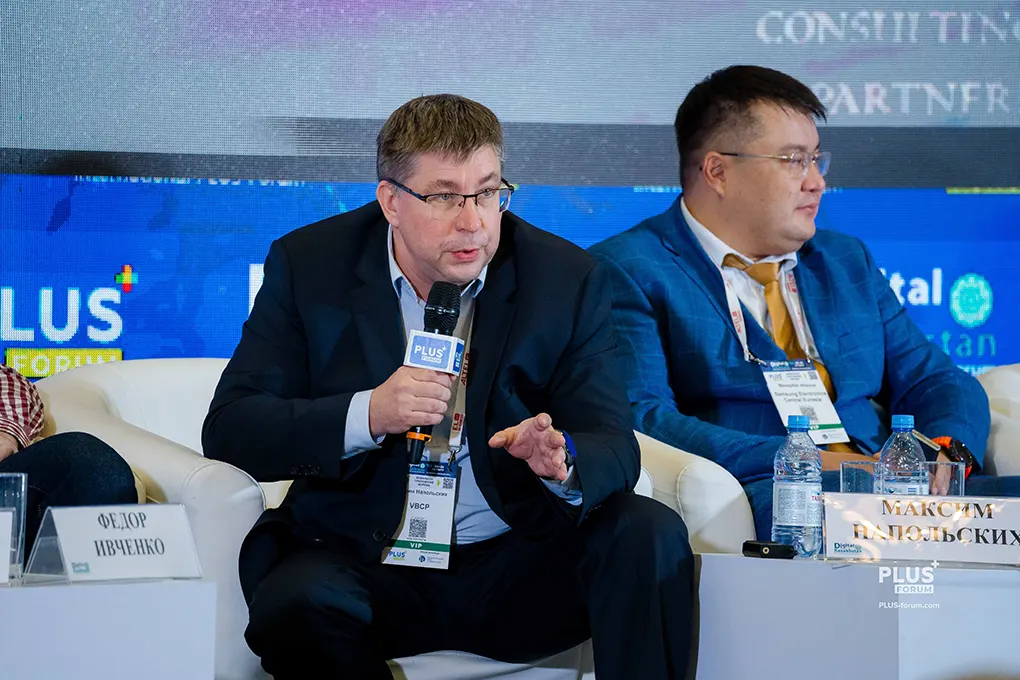
Maxim Napolskikh, CEO, Kazakh Incoming DMC, Founder of Vostok Business Consulting Partners (VBCP), reviewed the process of implementing digital technologies and innovations in the banking sector of France. The speaker, who has 20 years of experience in the banking system of Kazakhstan, informed about business cases implemented by his company in the French banking services market.
Samsung Wallet project manager Manarbek Abenov shared the results of four years of operation of the Samsung Wallet application in Central Eurasia. Samsung Pay was launched in January 2020 in collaboration with 9 banks. In 2024, it is already working with 12 partners and integrated with public services. Today, the company's share in the number of active smartphones in Kazakhstan is 50.4%. The company plans to add support for driver's licenses, payments of transport fares, boarding passes and tickets.
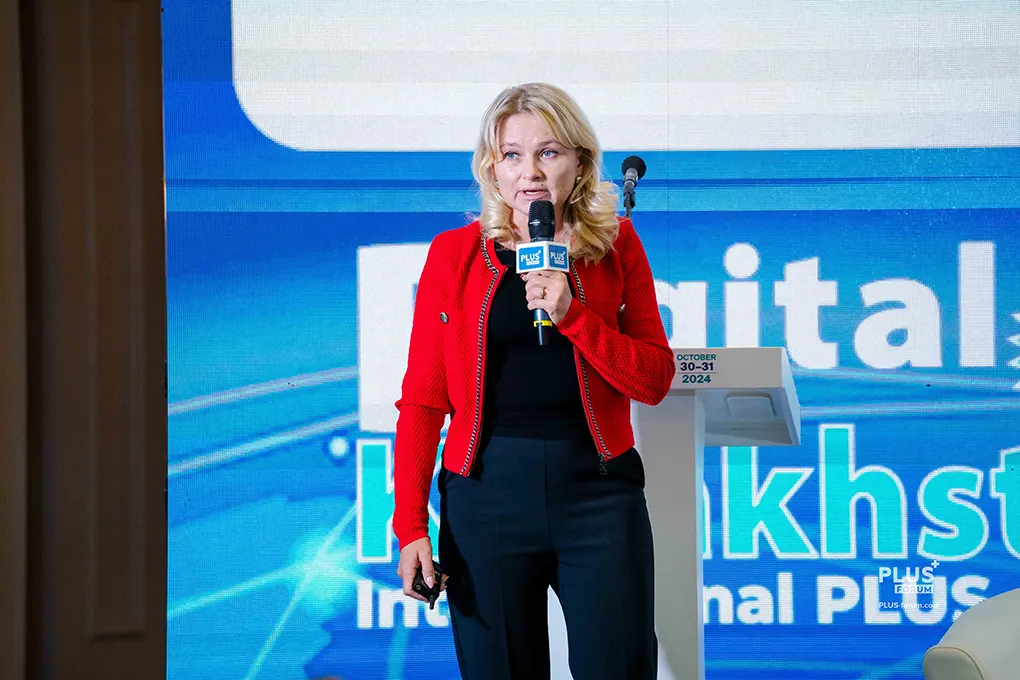
Elena Tyatenkova, SVP, Head of Branch Management, Alfa-Bank, focused on the reorganization of bank branches. According to her, physical branches, despite the development of remote service technologies, are still popular with the mass client. At the same time, branches must meet the modern needs of the client and generate profit. As practice shows, should a bank come with its branches into a district or city, the bank’s local sales jump immediately across all channels.
In recent years, Alfa-Bank has been reshaping its branches though combining digital and physical experience in a new generation of offices - Phygital. Instead of employees at their desks with computers, a routine cash operating unit, an electronic queue and numbered “windows” there is a stylish modern space à la loft with open layout and comfortable designer chairs and sofas.
In his turn, Ms Tyatenkova’s colleague Alexander Leshchev, Head of Self-Service Systems Development at Alfa-Bank, shared the experience of introducing new models of devices in the bank's ATM network.
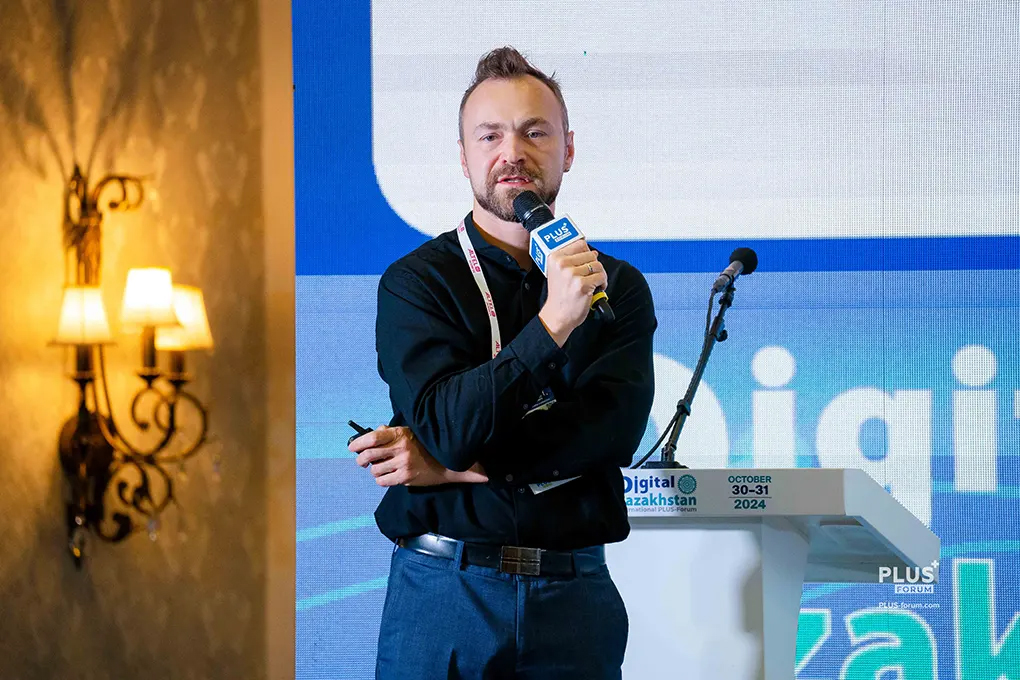
Askhat Beisenbaev, CEO, Dossym Fintechlab, reviewed the benefits of digital customer profiles and digital onboarding for small and medium businesses. The company aims to improve financial inclusion for businesses through creating a more personalized customer experience. Poor digital literacy and underdeveloped infrastructure remain the main challenges today, but the migration to a digital client profile significantly simplifies the onboarding process, reduces its cost and helps comply with regulatory requirements.
Gani Uzbekov, Founder and CEO, S1LKPAY, spoke about the implementation of modern technologies and the capabilities of the S1LKPAY digital wallet.
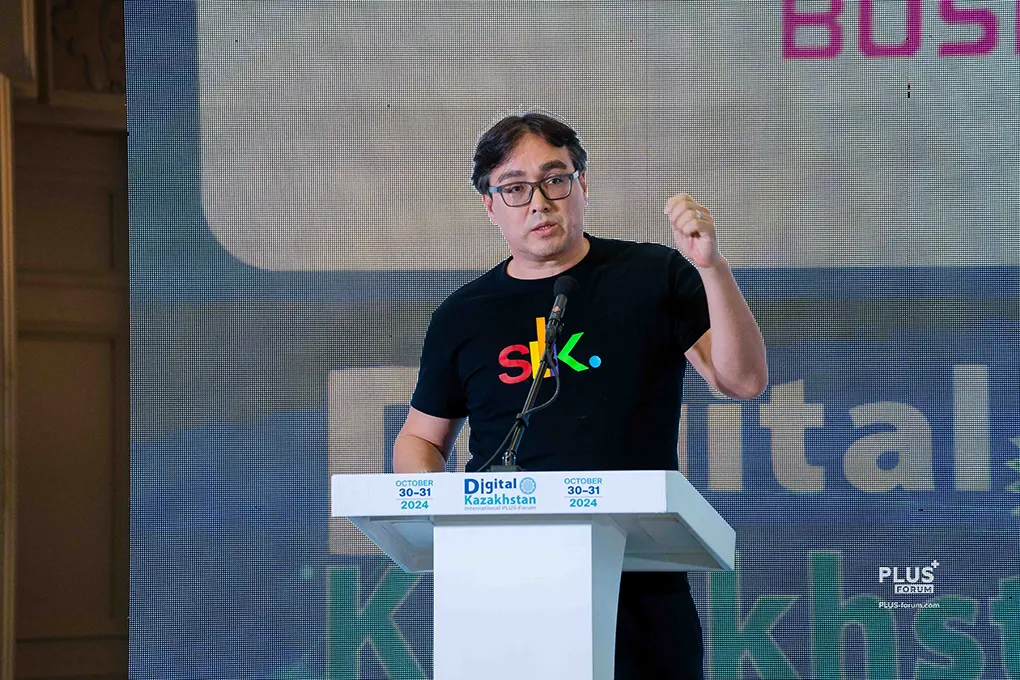
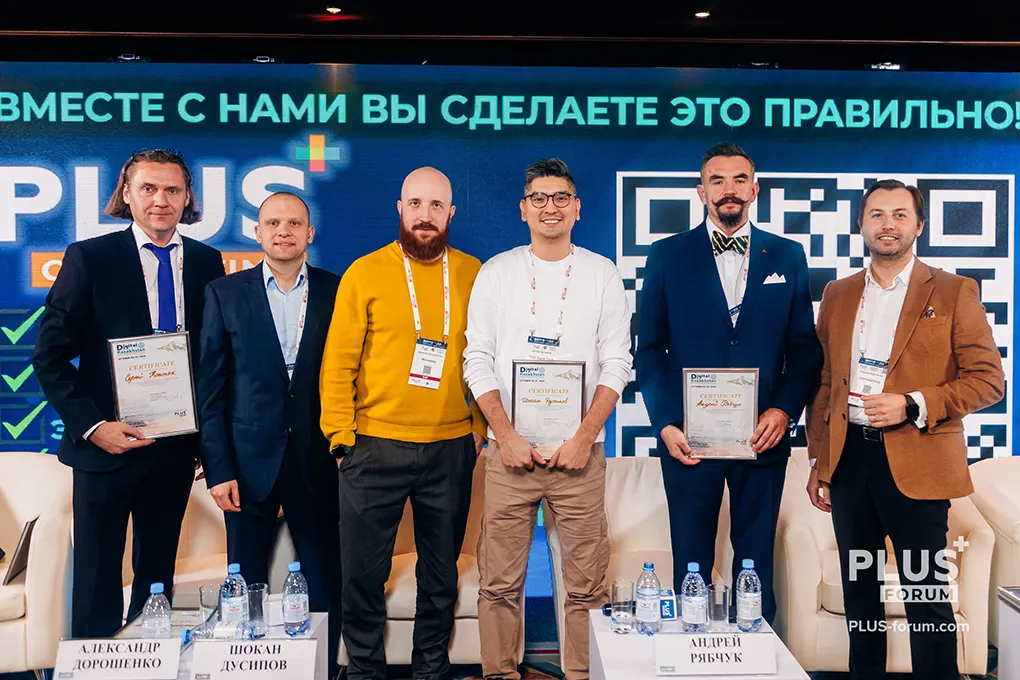
Convergence of banking and e-commerce and the adoption of fintech services by marketplaces are the main trends of our time. That was the conclusion reached by the participants of the discussion “Transformations and competition in the payment market. Problems and prospects”. The session was moderated by Sergey Koptik, Head of Mobile Financial Services, Kcell, Co-founder of OGO Bank. He spoke about the digital transformation in the financial sector of Kazakhstan and other CIS countries. As an example of an interesting case, the speaker recalled that in Belarus today it is already possible to issue a small amount of money as a loan in the form of electronic money for non-cash payments from the phone balance.
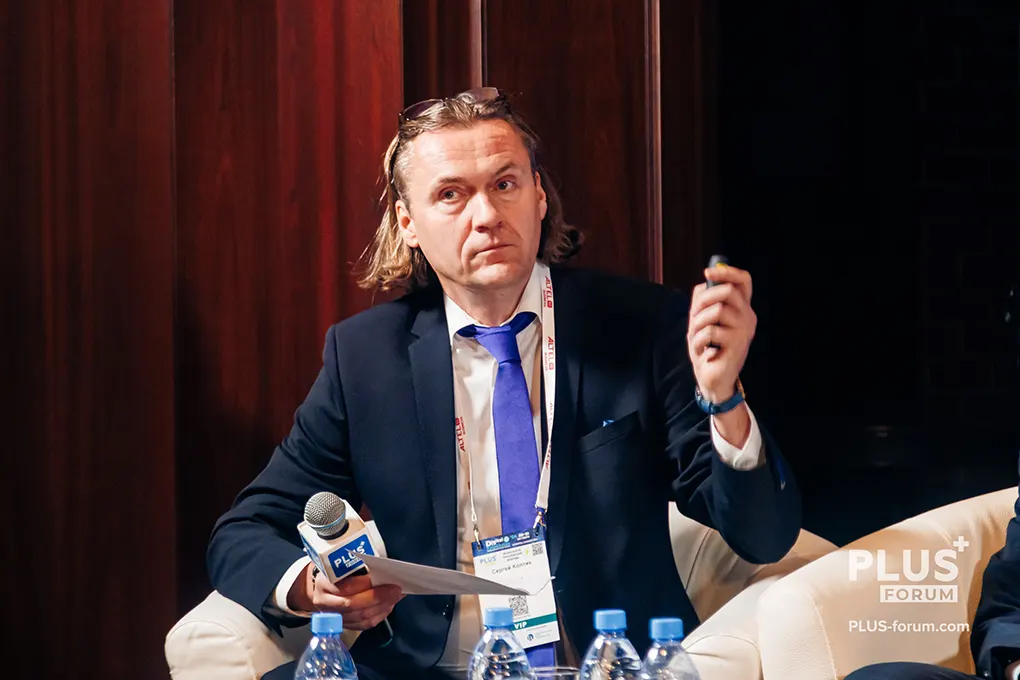
Dmitry Komissar, Head of eCommerce Projects, PwC, noted one of the main trends of our time – the convergence of banking and other sectors of the economy, such as e-commerce, as well as the adoption of fintech services by marketplaces.
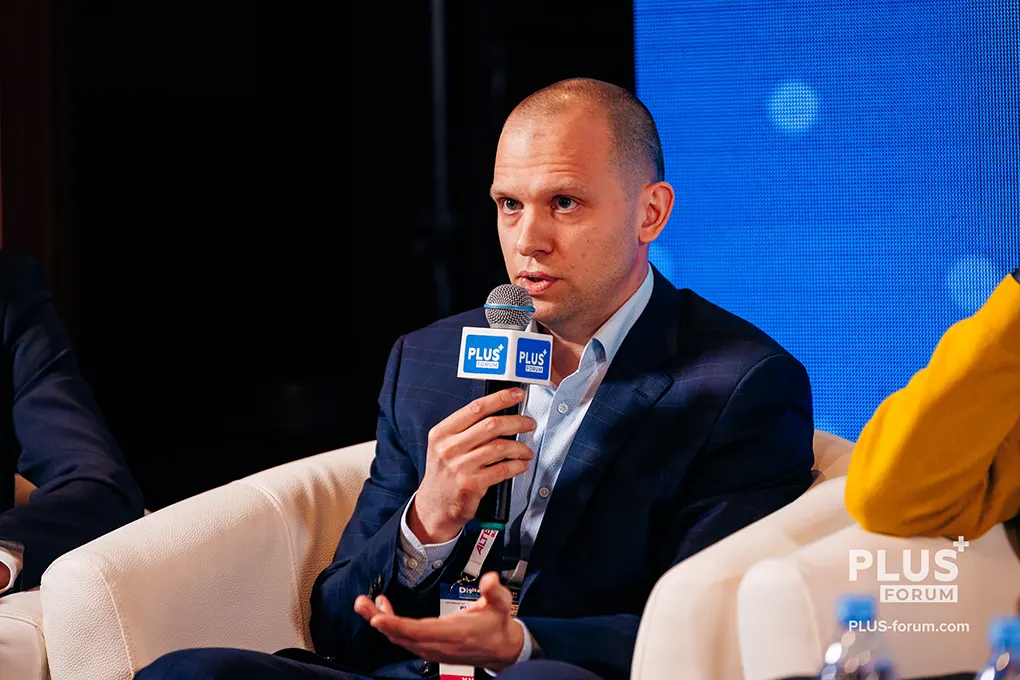
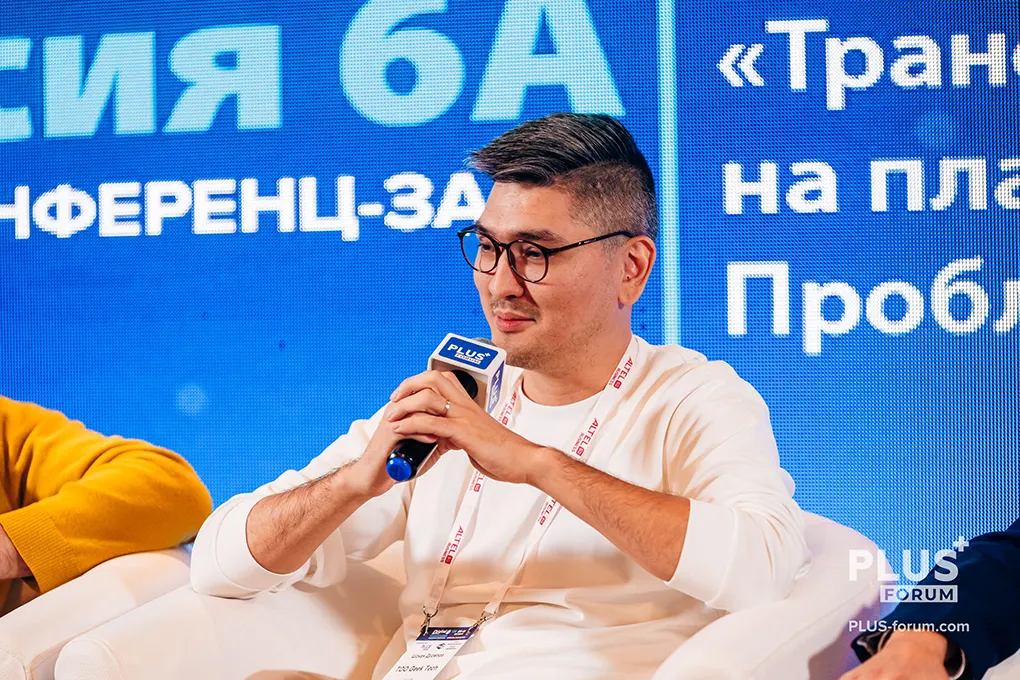
Shokan Dusipov CEO & Co-founder, General Director of Geek Tech, took an active part in the discussion.
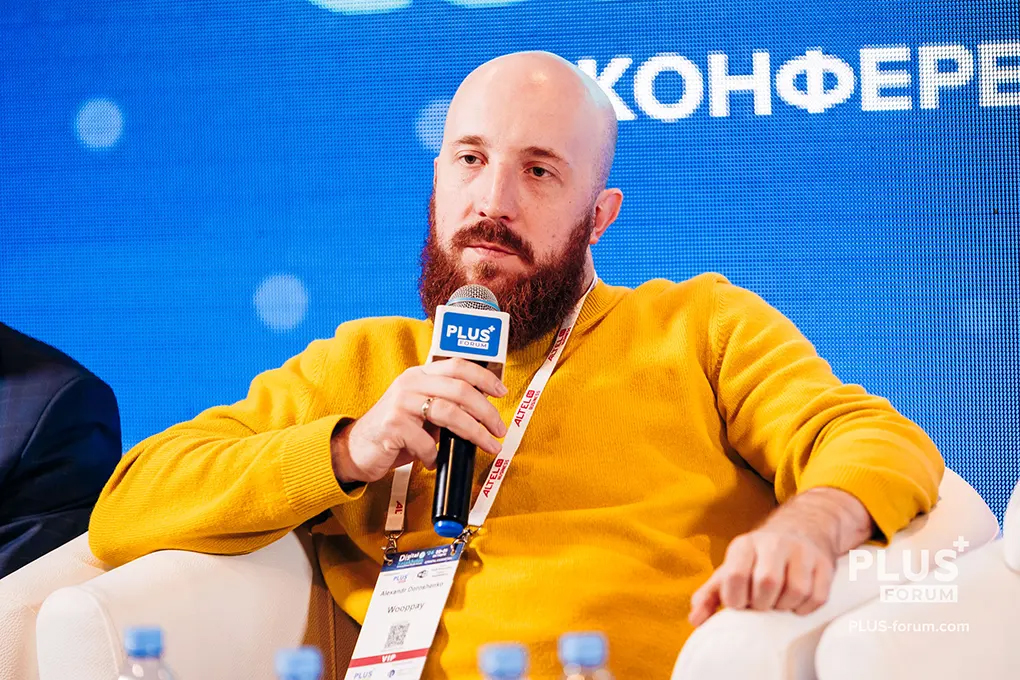
Alexander Doroshenko, Co-founder, Managing Partner, WoopPay, highlighted a paradigm shift with the traditional banking being increasingly equipped with digital services and technologies.
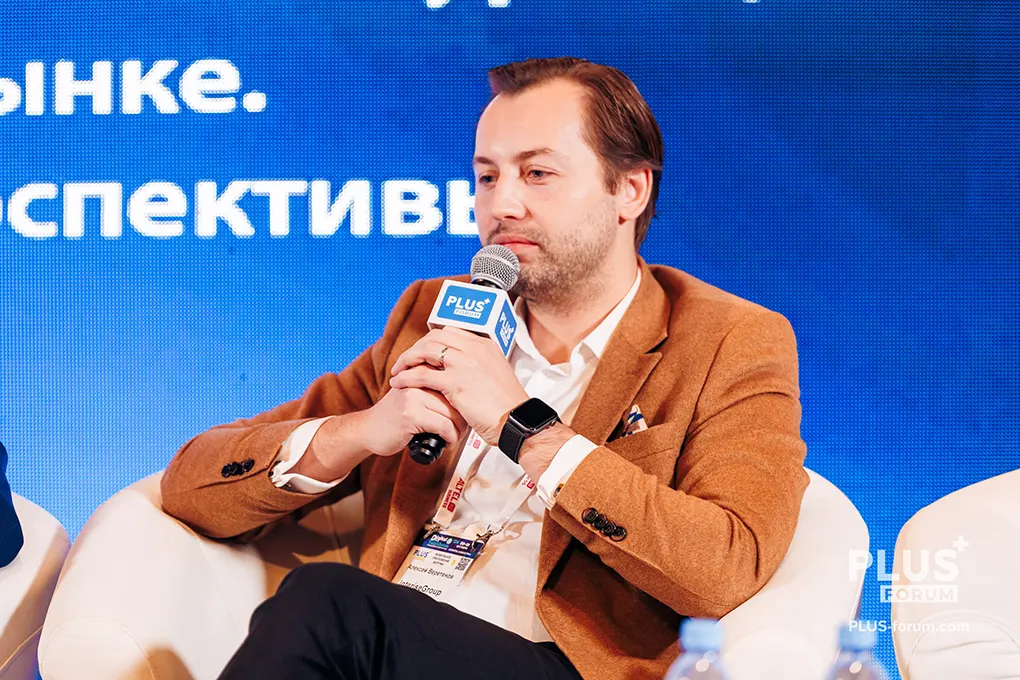
Alexey Veretenov, Managing Partner, Senteo Inc, shared his experience of working in different countries. Speaking about digital transformation, he noted that we should not only pay attention to global trends, but take into account the situation in each country as well.
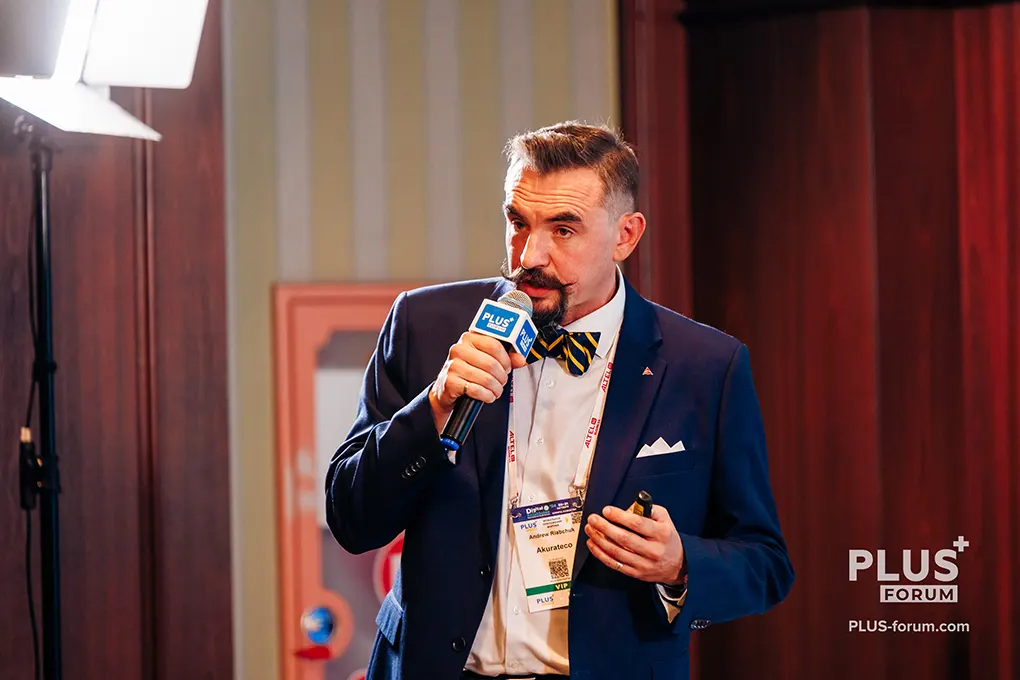
Andrew Riabchuk, Co-Founder, CTO, Akurateco, analyzed in detail the evolution of services of Western companies, such as Revolut and Klarna.
Industry experts also discussed various problems in the fintech sector. In particular, Sergey Koptik noted that the latest reports from CB Insights demonstrate disappointing trends in global fintech markets. “I recently looked at CB Insights reports for this year, which show a decline in the number of transactions and the total amount of financing.”
The transformation of retail trade in a digital society was the main topic of the discussion “e-Commerce, payments industry and retail in the era of transformation. Sweeping penetration of new business strategies. Marketplaces. Loyalty systems of the 21st century”. The round table was moderated by Andrey Ivanov, Director of Deal Advisory, KPMG Caucasus and Central Asia.
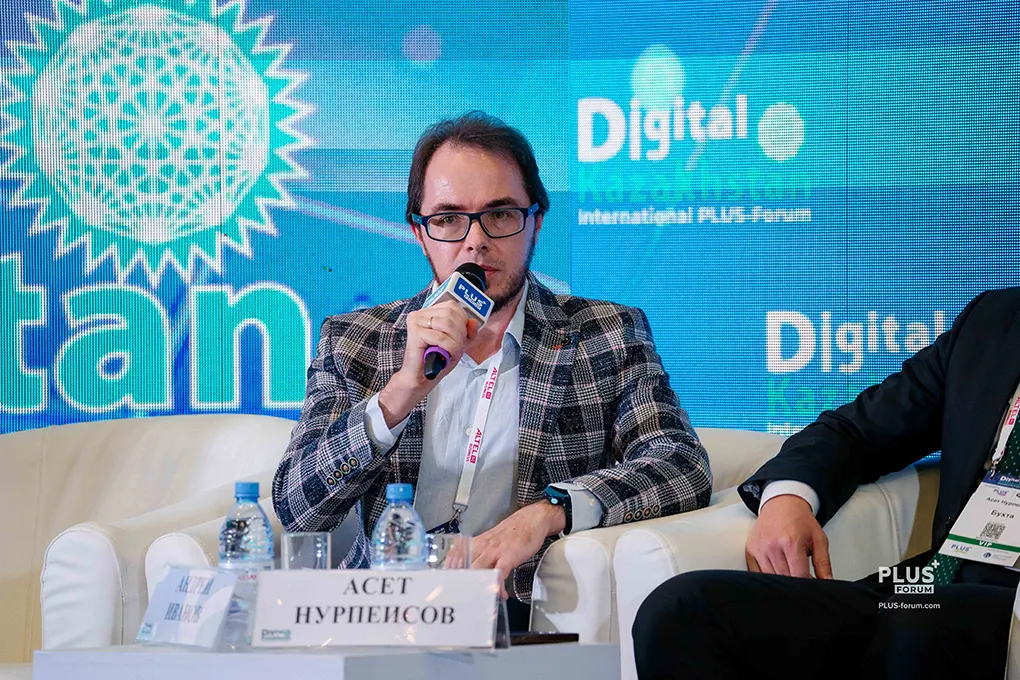
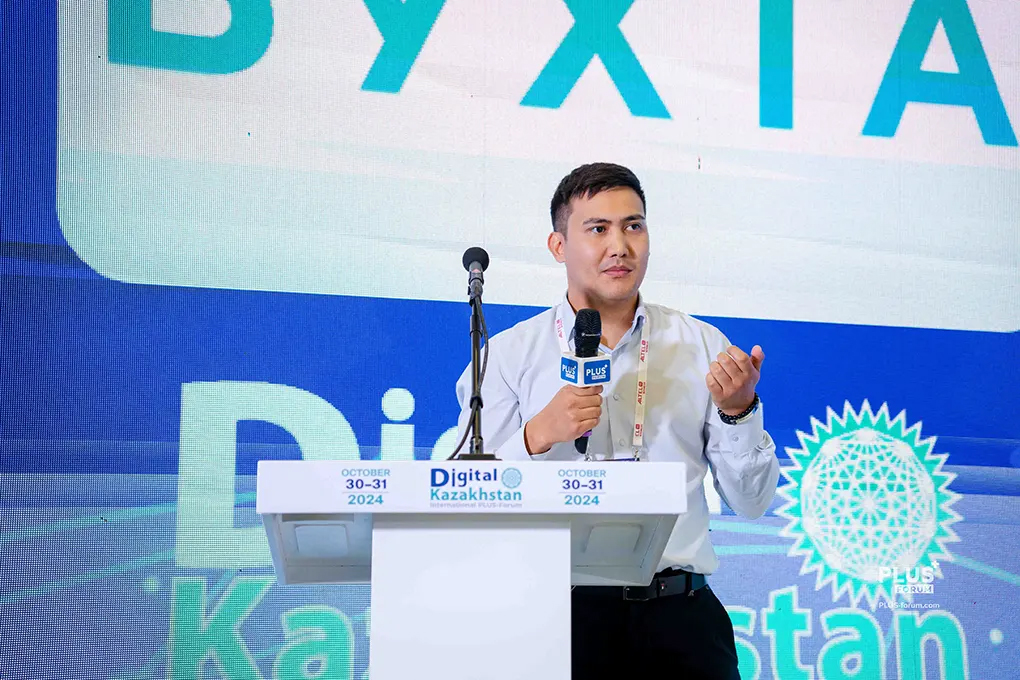
Aset Nurpeisov, CEO, Bukhta, presented a report on “Automatic calculation for invoices and acceptance reports from Bukhta".
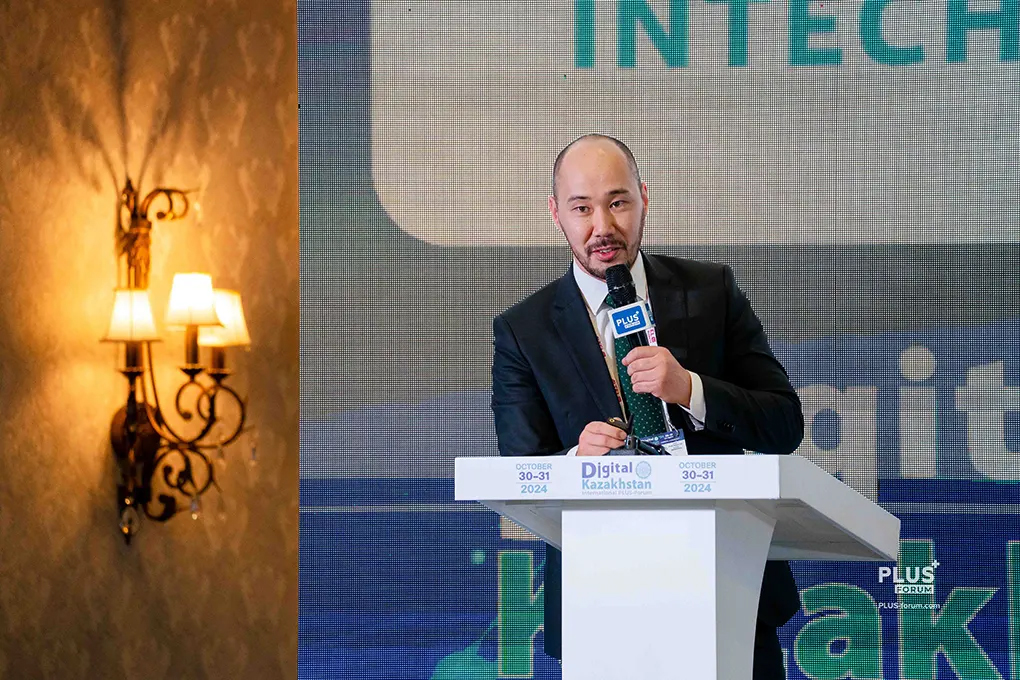
Ivan Fedyakov, Founder and General Director, INFOLine, noted that the number of physical stores is decreasing worldwide, and this is due to the ever-increasing role of e-commerce.
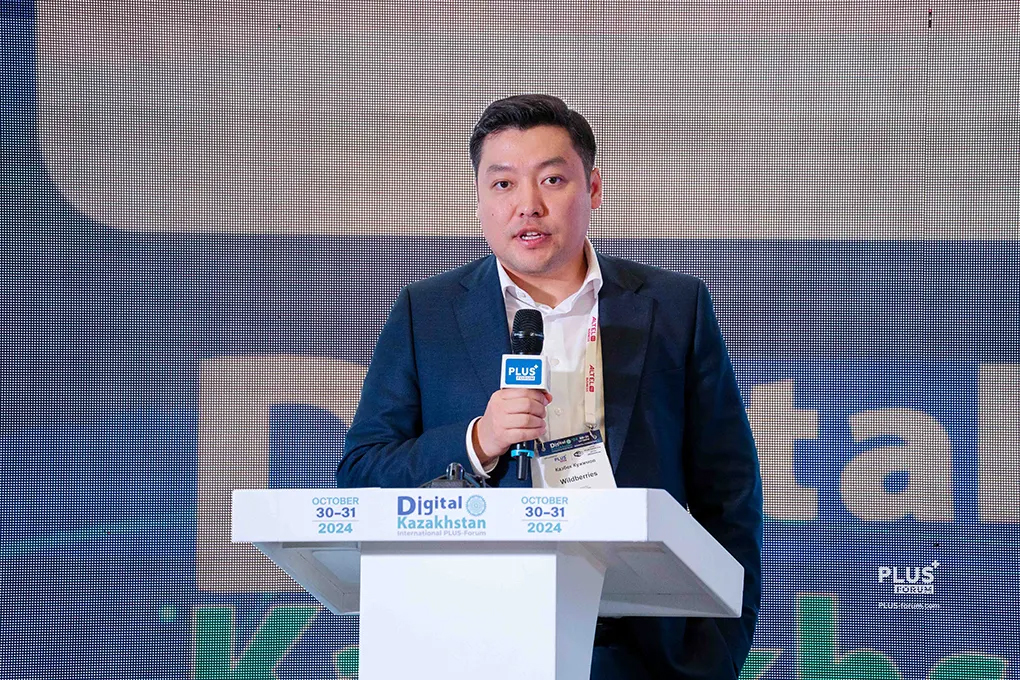
Kazbek Kuzhimov, GR Director, Wildberries Kazakhstan, informed that the most popular product categories among Kazakhstanis were clothing (+810%), accessories (+818%), cosmetics and perfumery (+1187%), home textiles (+644%), footwear (+736%) and automotive products – the demand for them increased by an impressive 1713%. The health products category saw an increase by 1315%, which emphasizes the growing interest in healthy lifestyle products.
The following experts also took an active part in the discussion:
• Zafar Vakhidov, Partner, Vakhidov & Partners
• Nurken Rzaliev, Director, New Ventures by inDrive
• Yulia Skryabina, Business Partner, eCommerce and Finance, YandexAds
• Roman Bogdashkin, CEO, Technodom Operator
• Galymzhan Amangeldi, Head of Project Management Office, Mechta.kz
The experts paid special attention to contactless payment technologies and digitalization of customer experience in retail.
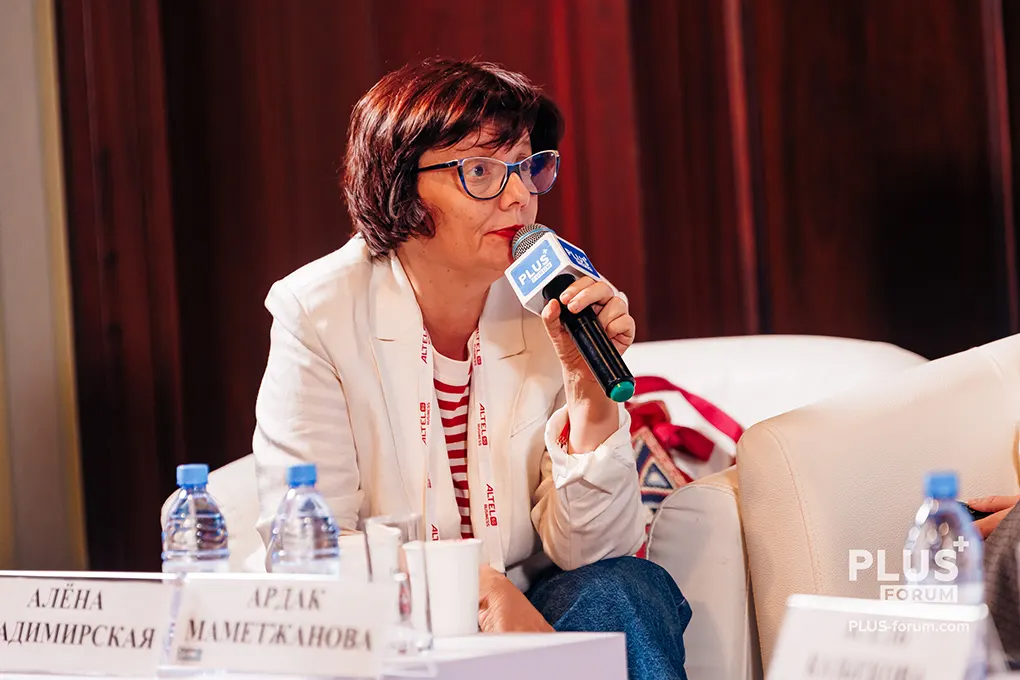
The round table “Current problems of the HR market in Kazakhstan and their solutions. Real cases from those best” was moderated by renowned headhunter and HR consultant Alena Vladimirskaya, CEO LAB. The panelists discussed trends affecting the labor market and salaries, as well as ways to retain employees.
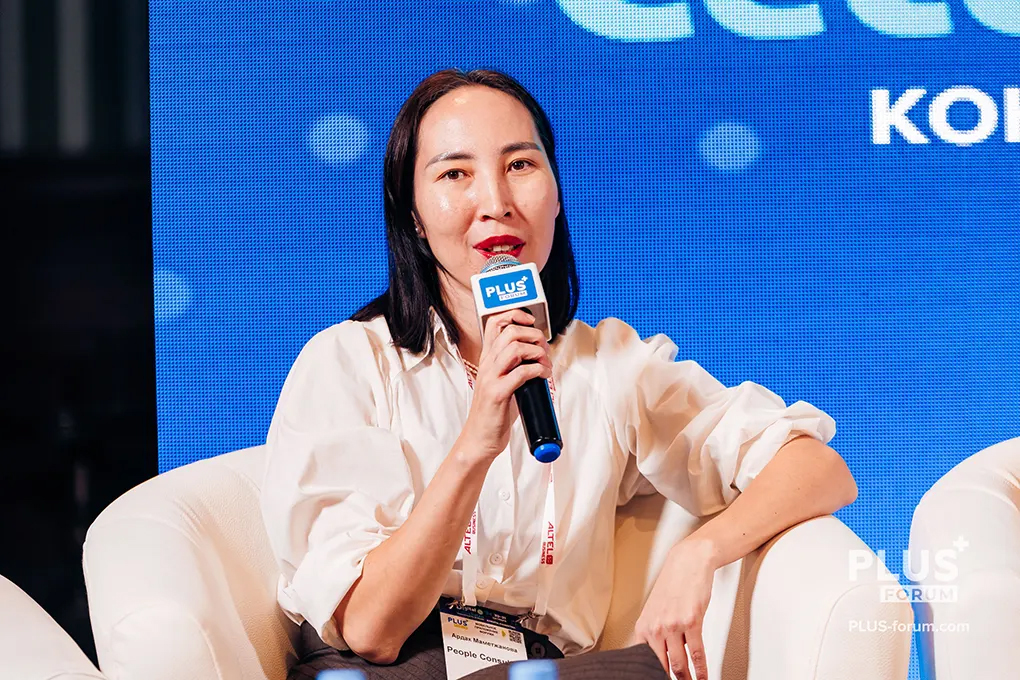
Ardak Mametzhanova, Partner, People Consulting, noted that the banking sector of Kazakhstan still sees intense competition for personnel.
Assel Kazbekova, Director, KPMG Law Kazakhstan, informed about the use of the vesting system to retain employees.
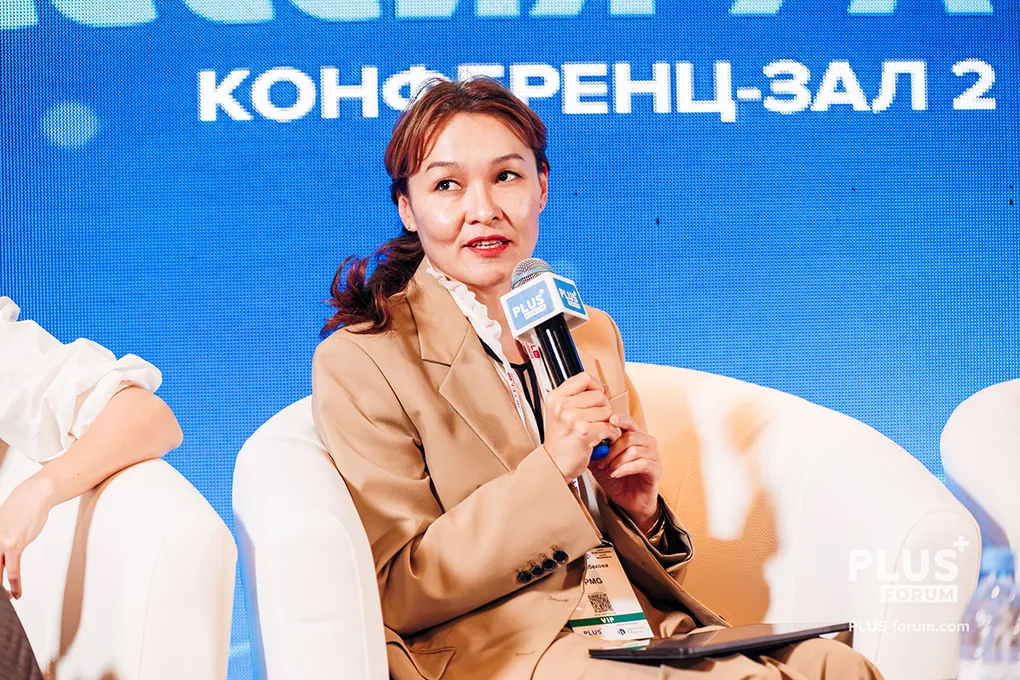
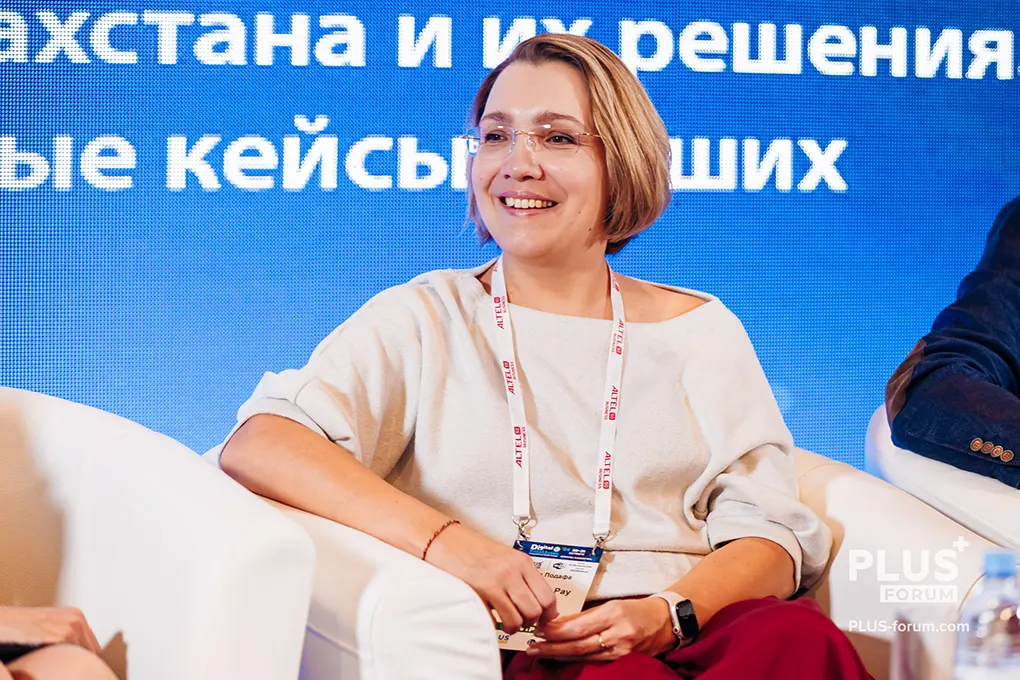
Arina Podafa, HR Director, Freedom Pay, noted that the salary race is likely to continue in all industries, since 70% of employees are ready to consider offers from other companies.
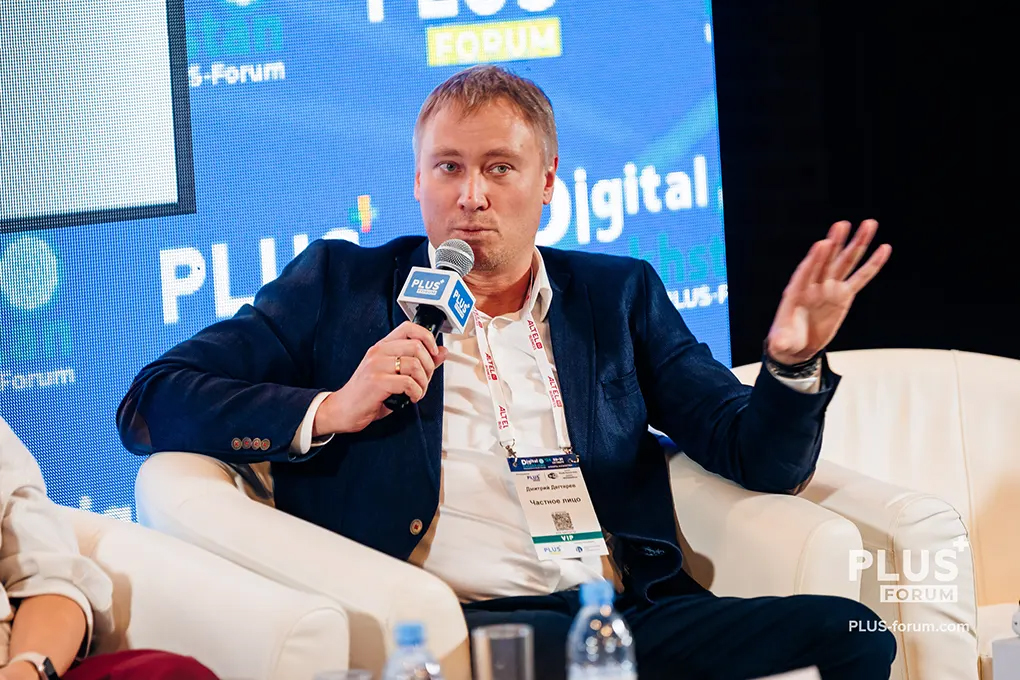
Dmitry Degtyarev, Subsystem CTO, Trilogy, spoke about the adoption of artificial intelligence technologies in HR.
Leyli Ushurova, HRD, Choco, also took an active part in the discussion.
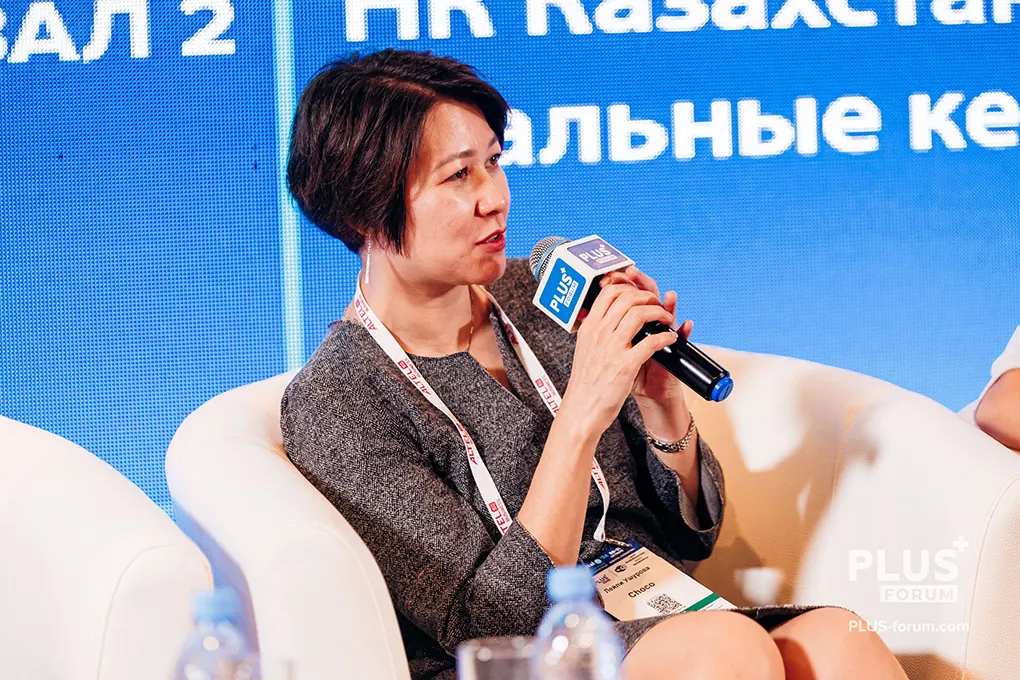
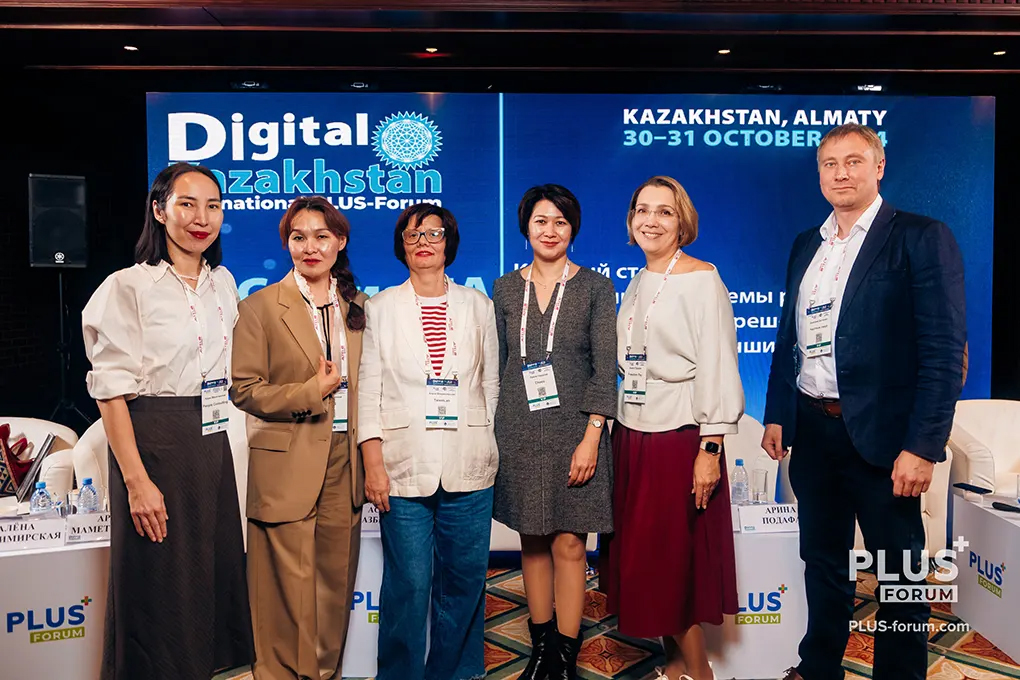
Current problems of the HR market in Kazakhstan and their solutions. Real cases of the best
Islamic finance principles are gaining popularity not only in Central Asian countries, but globally. This trend was intensively discussed at the session “Islamic finance and Islamic banking in Central Asian countries. Current state and prospects”. The session was moderated by Askhat Giniyatov, Head of Islamic Banking, T Bank.
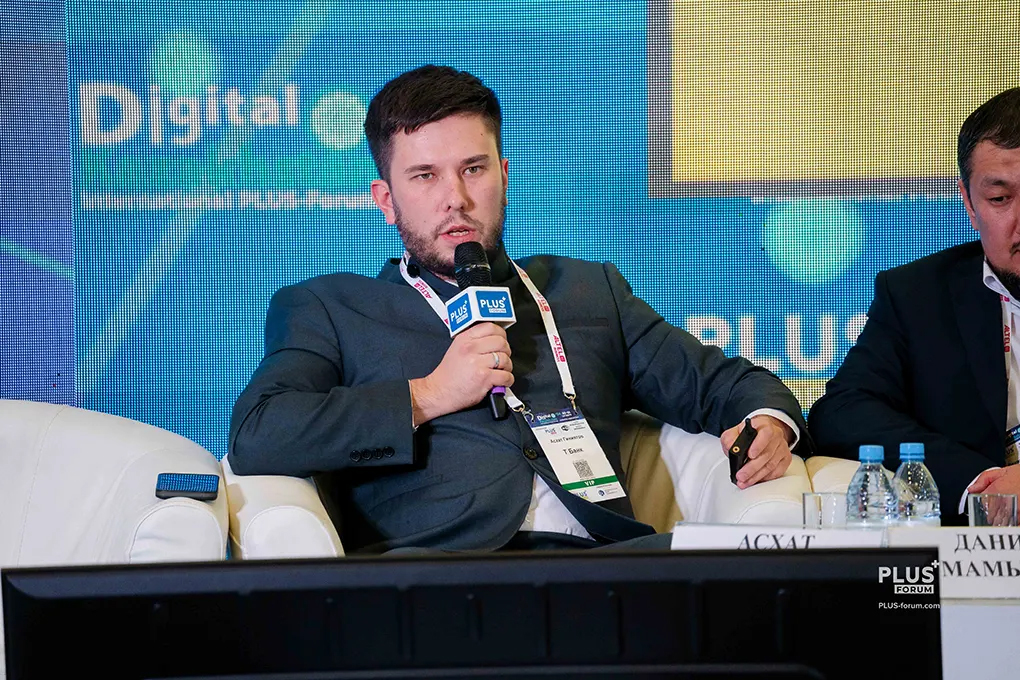
Khondamir Nusratkhuzhaev, IFCG member (Islamic Finance Consultative Group), reported on the topic of “Islamic counter in the traditional banking entities” to discuss the key challenges and advantages of innovation. The speaker used specific examples to analyze how Islamic financial services are entering the global industry slowly but surely.
Daniyar Mamyrov, co-Founder, Sarakhsi Advisory Kyrgyzstan, Member of Institute of Certified Islamic Finance Specialists, Malaysia, reported on “Fintech as a new driver for the financial product development in Islamic banking. Key innovations in Islamic finance in 2023–2024”. He focused on the use of cryptocurrencies in Islamic finance.
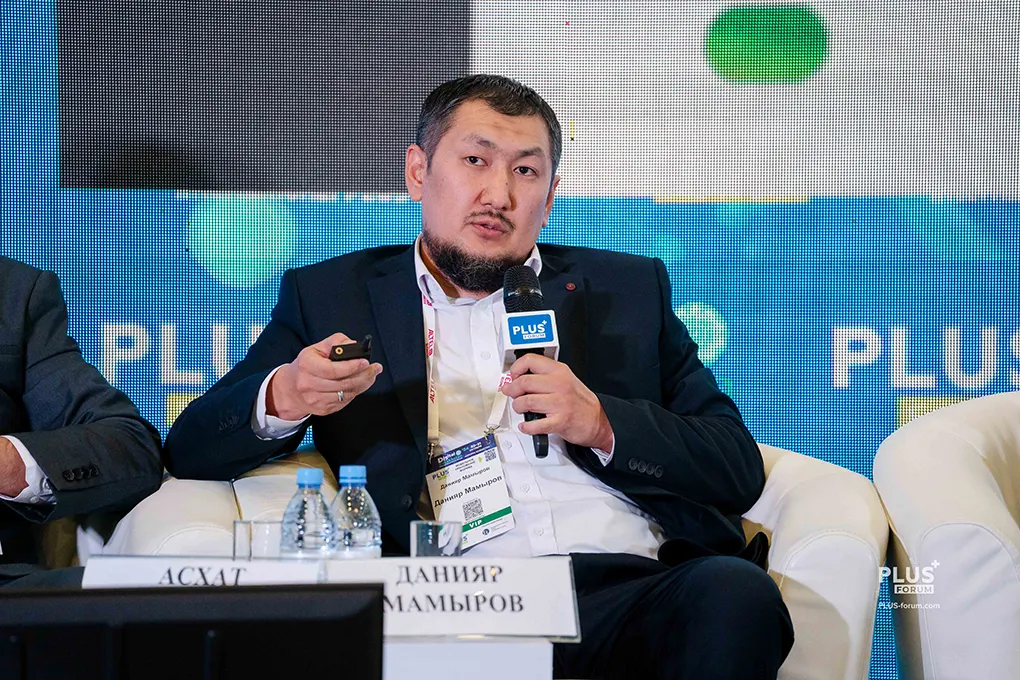
Alexey Ivanov, Founder and CEO, Customer Experience Laboratory (Russia/Uzbekistan), spoke about the current difficulties and prospects for the development of Islamic banking in Uzbekistan.
Speaking at the conference, Head of Islamic Banking at T-Bank Askhat Giniyatov highlighted Muslims’ low demand for Islamic financial services because of their high prices and limited offers. Besides, banks are faced with the lack of a clear portrait of the end client. Fintech solutions, according to the speaker, can change the situation by offering convenient and adapted services tailored to the needs of Muslims.
Islamic financing is also gaining popularity in Kazakhstan. According to Madina Tukulova, Head of Islamic Finance at the Astana International Financial Center (AIFC), since 2009, the Republic of Kazakhstan has adopted a series of legislative acts regulating Islamic insurance, leasing and securities. Today, three Islamic banks and two Islamic leasing companies are operating in Kazakhstan to satisfy the high demand of Muslims for financial products. For example, Islamic bank deposits amount to 2.83 trillion tenge, Islamic mortgages – 1.34 trillion tenge, and auto financing – 1.07 trillion tenge.
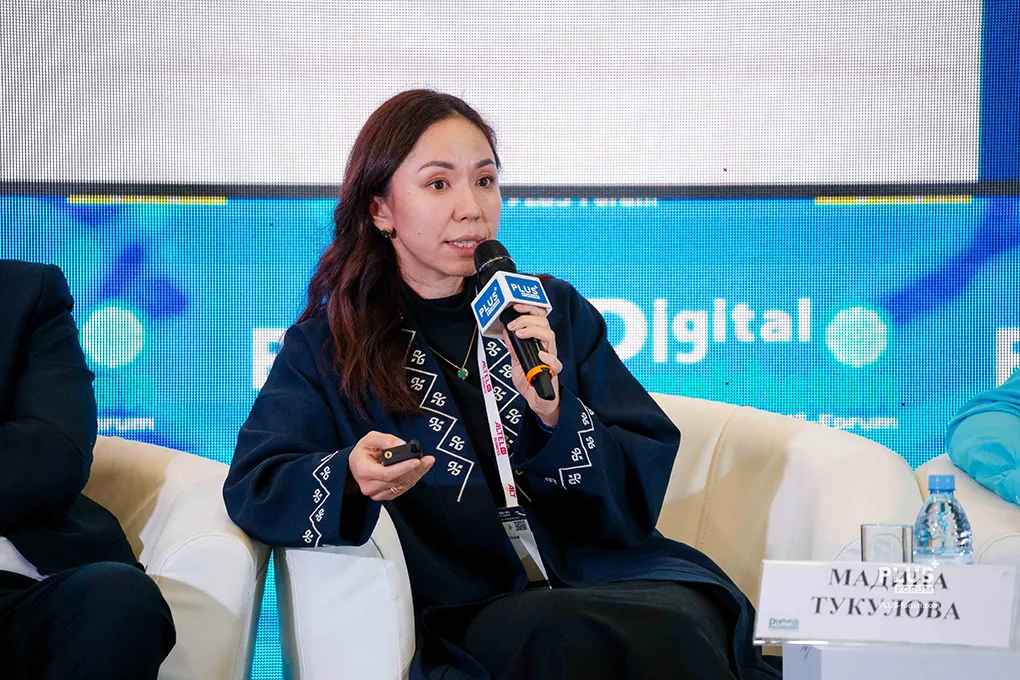
Kibriyo Urakova, Ph.D., Head of Islamic Banking Supervision, National Bank of Tajikistan, informed that one full-fledged Islamic bank and two Islamic banking counters are operating in the country as of September 30, 2024. In addition, three credit institutions have already applied for a license to operate in Islamic banking. Since 2014, 27 regulatory legal acts have been developed in Tajikistan to regulate Islamic banking.
Summarizing what was said during the session, PLUS-Forum Steering Committee Chairman Alexander Grizov emphasized that it is extremely important that Islamic finance (Islamic banking) belongs to ethical types of banking, which requires special approaches when using its capabilities.
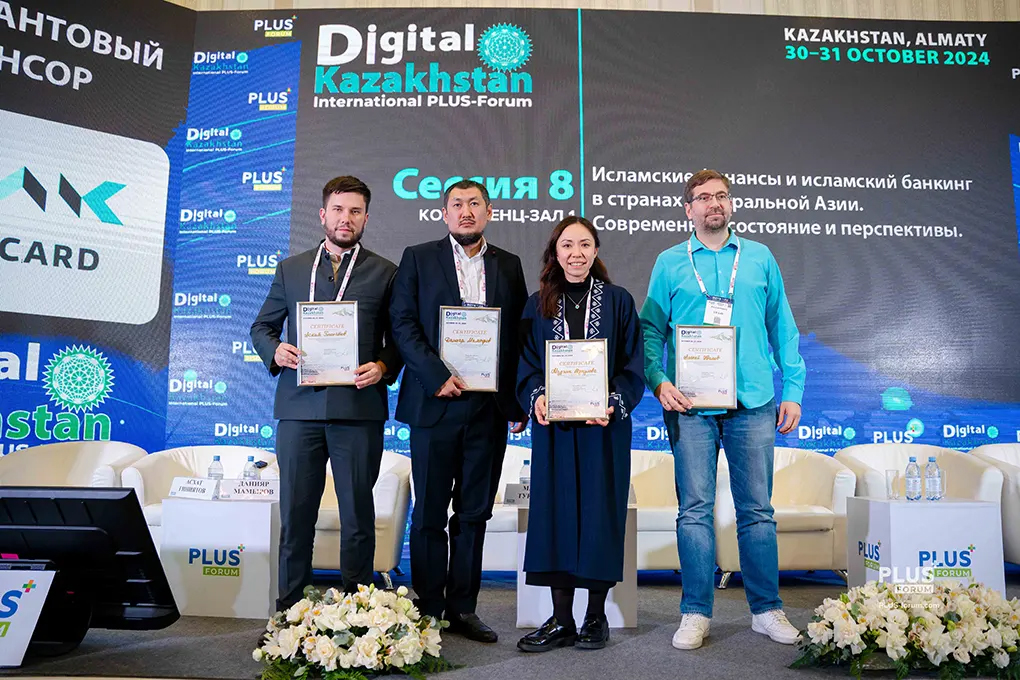
Islamic finance and Islamic banking in Central Asian countries. Current state and prospects
The International PLUS-Forum “Digital Kazakhstan” is one of the largest events in the financial sector of Central Asia and the CIS. It is a meeting place for representatives of the banking sector, fintech, payment systems, solution providers, market regulators and government bodies, leading Russian and international industry experts.
The PLUS-Forum platform has been on the market for 16 years already. During this period, it has rightly won a reputation of a key industry event both in Russia and in other CIS countries. In recent years, the PLUS team has been particularly focused on the markets of Central Asia. To this end, a series of new events targeting these markets have been organized over the past three years. And they have already managed to declare themselves as the largest and most popular platforms in the region!
See you at the PLUS-Forums 2025!
We invite you to join our programme of large-scale international events. Registration and receipt of application forms are already open for Speakers, Sponsors and Partners!
Digital Kyrgyzstan, Bishkek, Kyrgyzstan, February 27, 2025
Digital Uzbekistan, Tashkent, Uzbekistan, May 28–29, 2025
Payments and Cash Circulation, Moscow, Russia, September 9–10, 2025
Digital Tajikistan, Dushanbe, Tajikistan, October 30, 2025
Digital Kazakhstan, Almaty, Kazakhstan, November 26, 2025